In this article
Cold weather trouble rarely starts in the kitchen. It starts out in the garage, on the porch, behind the washer on an outside wall. Give those spots an hour in November and January gets a lot quieter.
Garage fridges and freezers in the cold
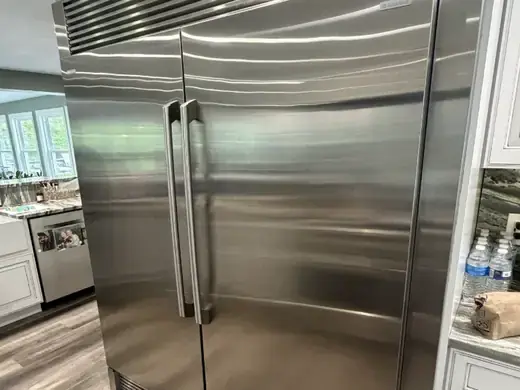
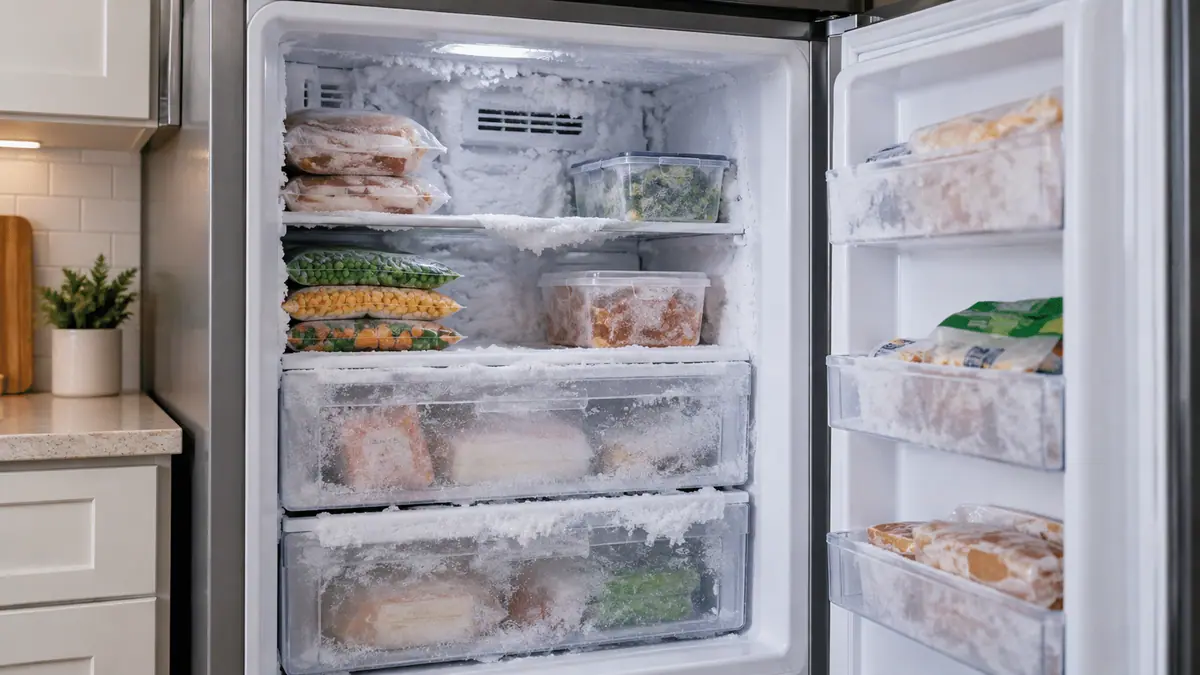
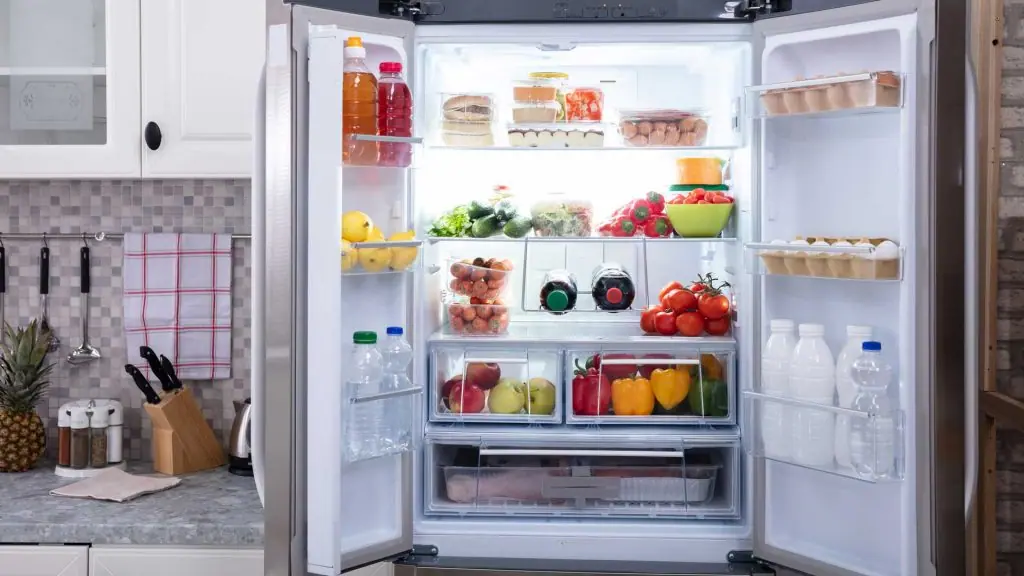
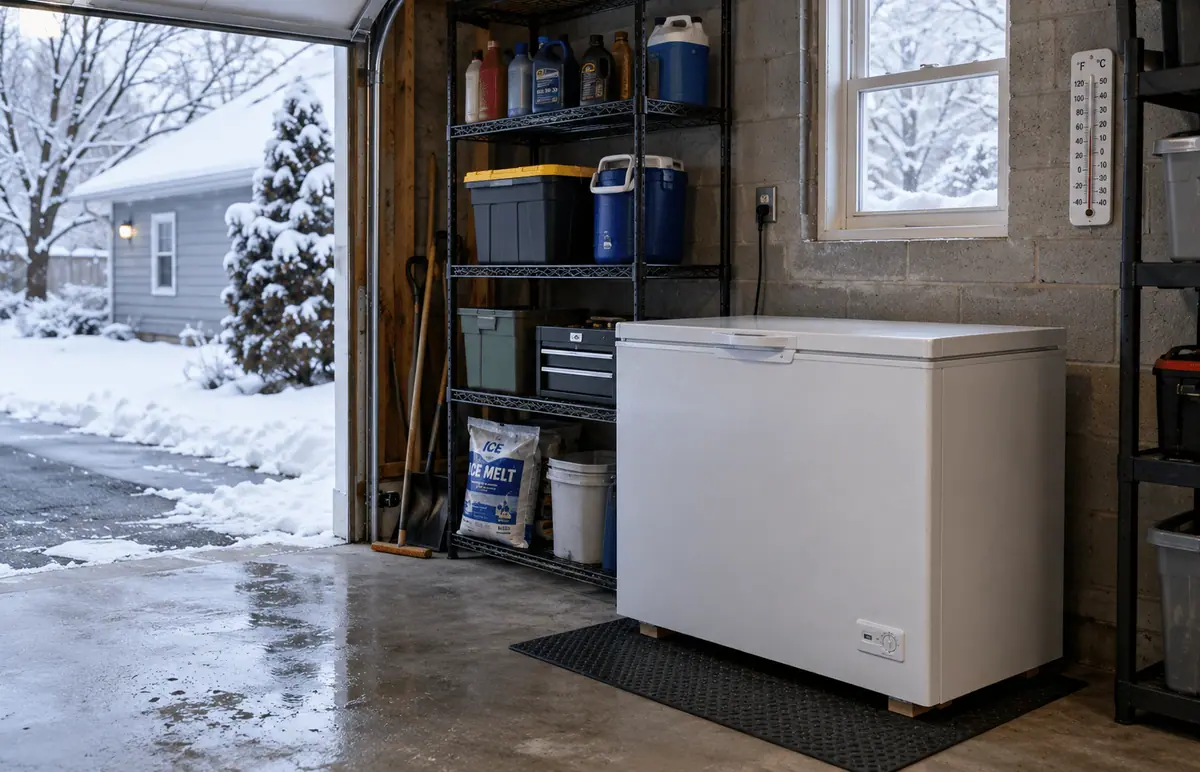
Here's the weird one. You'd think a fridge in a freezing garage has it easy. Nope. A regular fridge only has its thermostat on the fresh food side. When the garage drops toward freezing, that sensor decides everything's plenty cold and the compressor just sits there. Meanwhile the freezer on top creeps up. Soft ice cream in a garage that's below freezing. Sounds backwards, it isn't.
Dig out the manual and find the lowest room temperature it's rated for. Some newer models are sold as garage ready, those cope. Yours isn't? Stick a thermometer in the freezer once the nights turn cold and read it for a few days. Chest freezers handle it better since there's no fresh food sensor fooling them.
Or haul the old fridge inside till spring. Totally fair. Leave it standing upright a few hours before plugging it in again.
Washer hoses and drains on cold walls
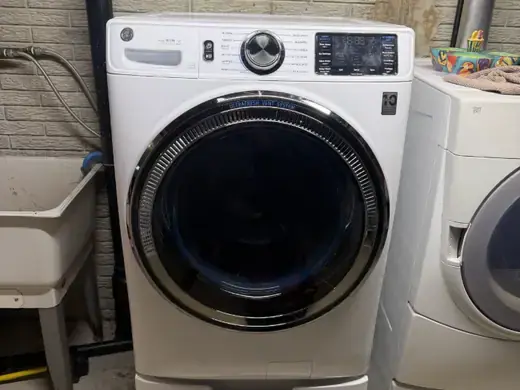
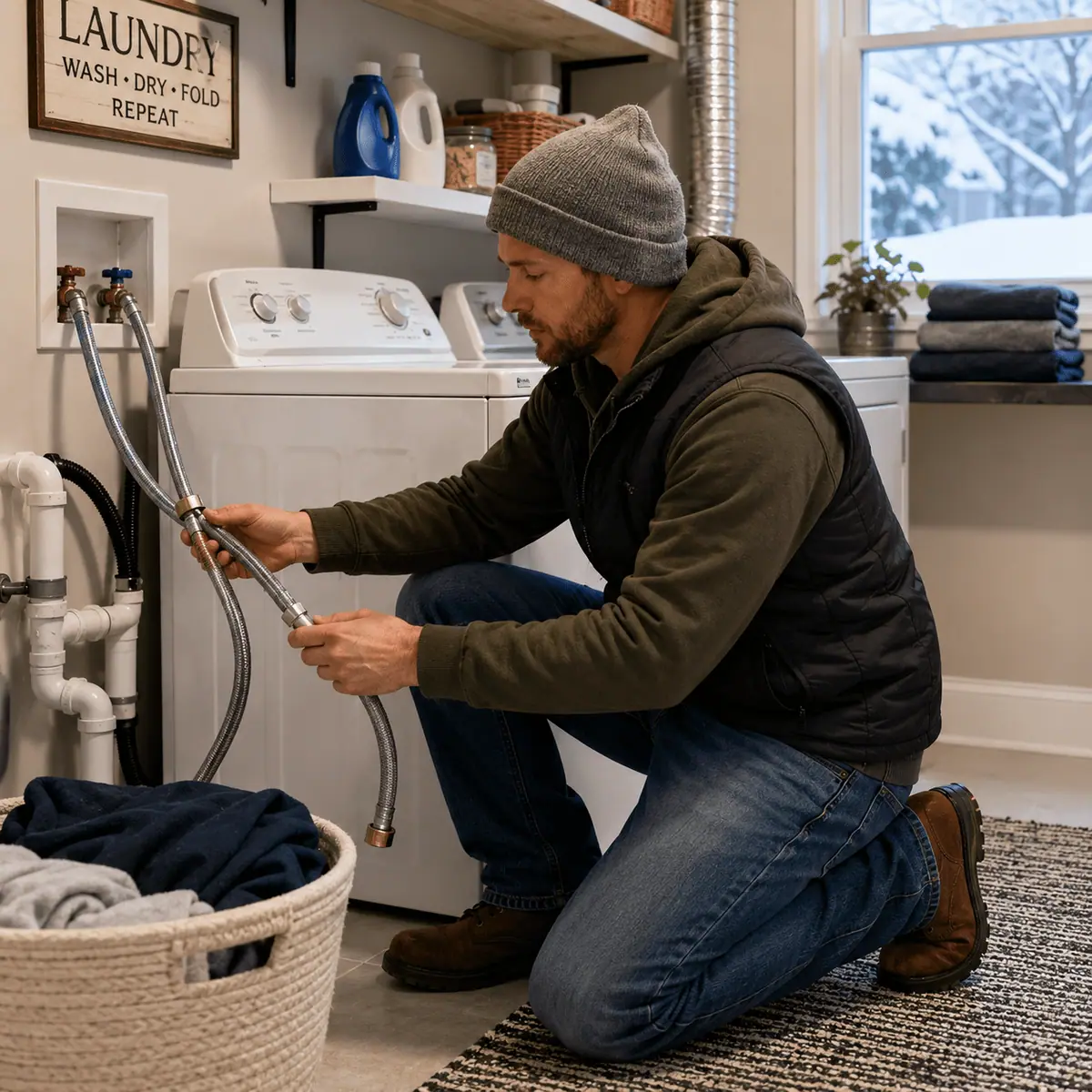
Laundry on an enclosed porch or in a basement corner with no heat? That machine can freeze solid in a real cold snap. After every load there's water left behind in the hoses and the fill valve. More sits down in the pump. Ice cracks plastic, and you won't know until the next wash puts water on the floor.
Go look at the hoses before it gets cold. Bulges, little cracks by the fittings, that's a hose that's done. Braided steel ones hold up longer. On the worst nights shut the valves after you're finished and prop open the door to the warm side of the house.
A frozen washer tells on itself. It hums and won't fill. Or it fills fine and then won't drain. Let the room warm up on its own first, and please, no heat gun on the plastic.
Keep the dryer vent clear of snow and ice
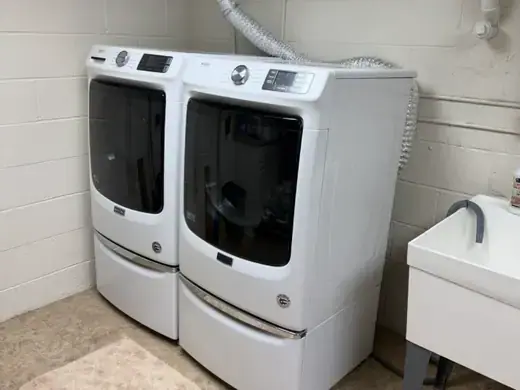
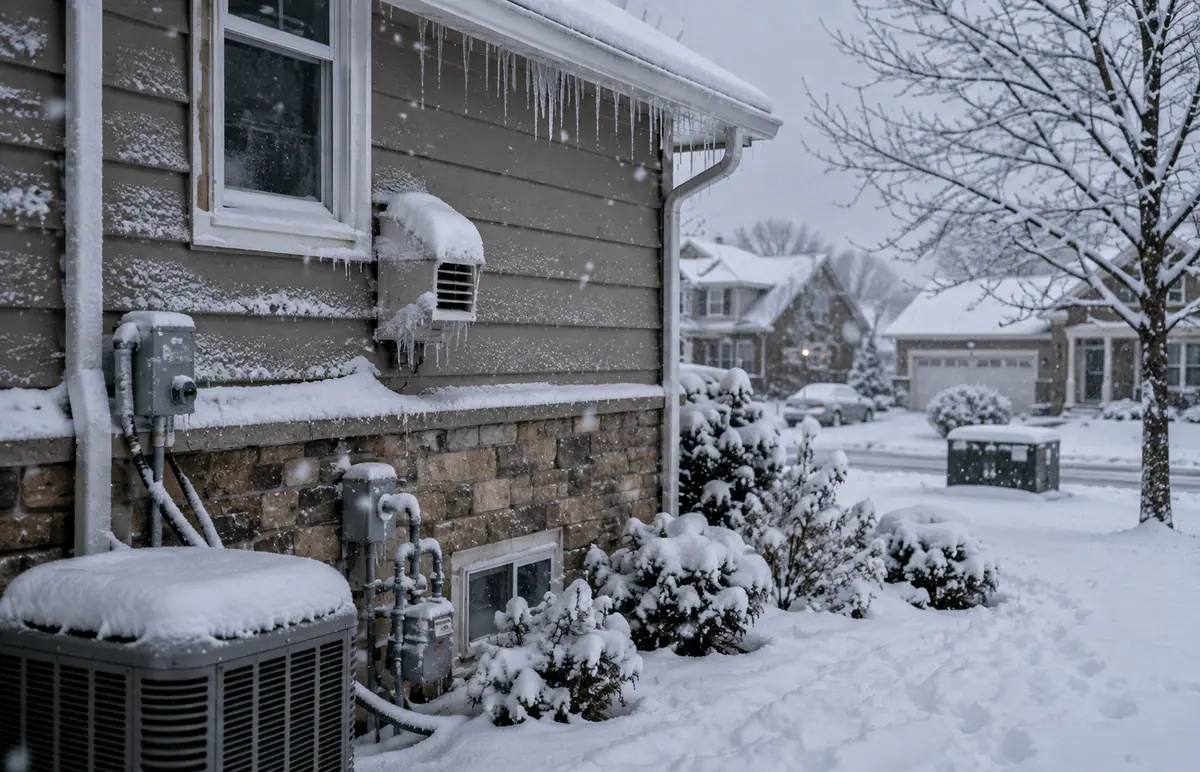
Nobody thinks about the vent hood once there's a drift against the house. But snow over that flap traps the hot wet air inside, drying drags on, the dryer runs hotter. Gas dryers are the bigger worry. Their exhaust carries carbon monoxide and it needs somewhere to go.
After a real snowfall, walk around and look. Dryer running, flap open, warm air on your palm. That's what you want. Frosted shut on a bitter morning happens, just tap it loose instead of prying. The lint side of things is in our guide to slow drying.
The kitchen during the busy months
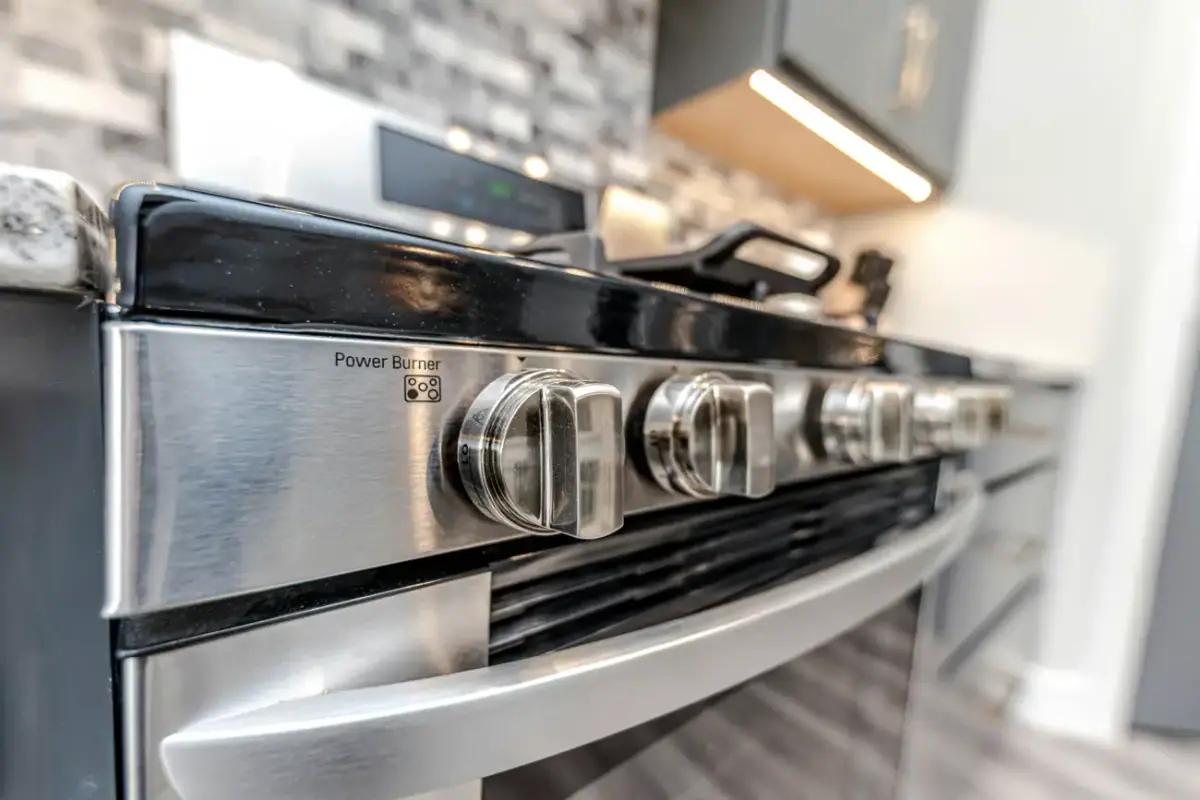
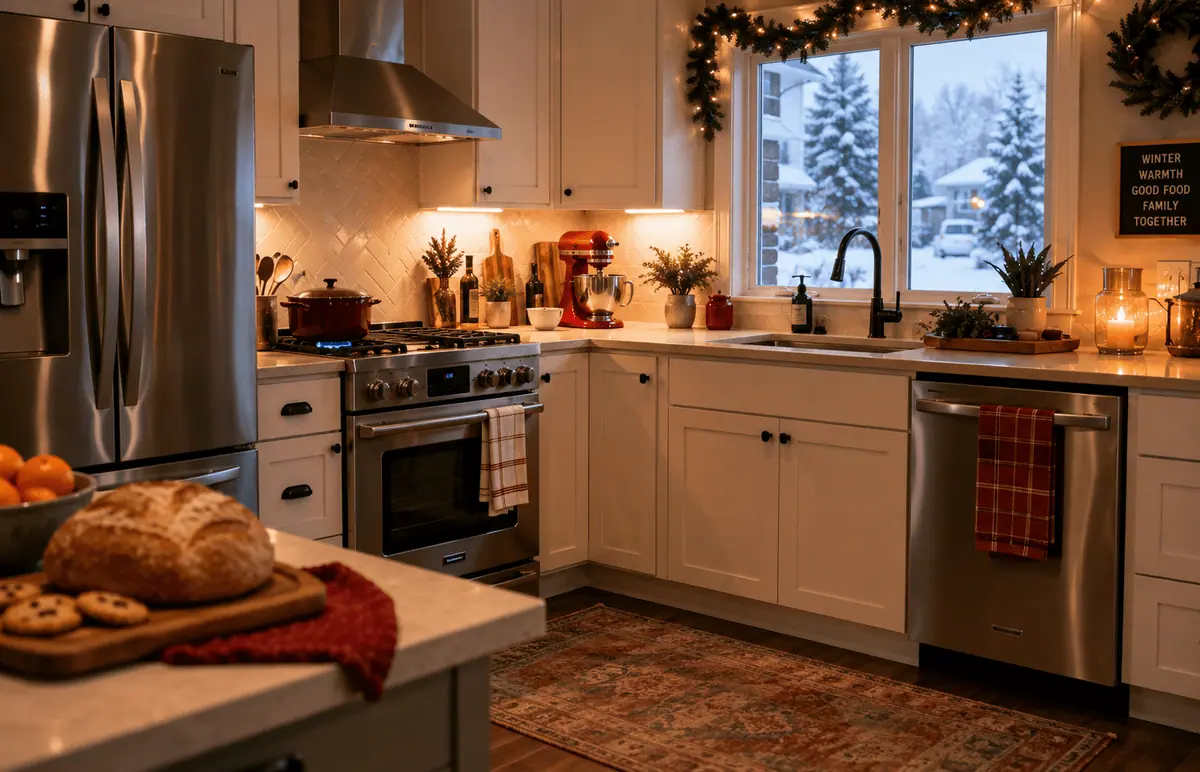
Thanksgiving to New Year, the oven barely gets a night off. So do a dry run in early November. Heat it empty and see if it gets there as fast as it used to. A blistered bake element won't get better with turkey season. Neither will a gas igniter that glows forever before the burner catches.
And don't ever warm the house with a gas oven or the burners, even when the furnace dies on you. The CDC is blunt about that one, it's a carbon monoxide risk. Dishwasher under a sink on an outside wall? Its supply line can freeze too. Leave the cabinet doors open on the coldest nights so some heat gets in there.
Ice storms and power outages
Ice on the lines, and the power flickers a couple of times before it quits. Those little flickers are rough on control boards. An appliance rated surge protector for the fridge and the washer doesn't cost much.
Running a generator? Outside, away from windows. Not in the garage with the door up either, the CDC says the same.
Then sometimes the power's back and the washer just blinks an error at you, or the fridge stays quiet. Different problem. Our article on appliances after a power outage covers getting them going again.
A short winter checklist
If you've got a free Saturday in November, this is roughly the order we'd do it in.
- Freezer thermometer in the garage unit, read after the first cold nights
- Washer hoses checked for bulges and cracks
- Water valves behind the washer easy to turn
- Lint screen washed, outside dryer hood opening freely
- Oven run empty once to test heat
- Surge protectors on the fridge and washer
- Model numbers photographed, in case a part is needed in a storm week
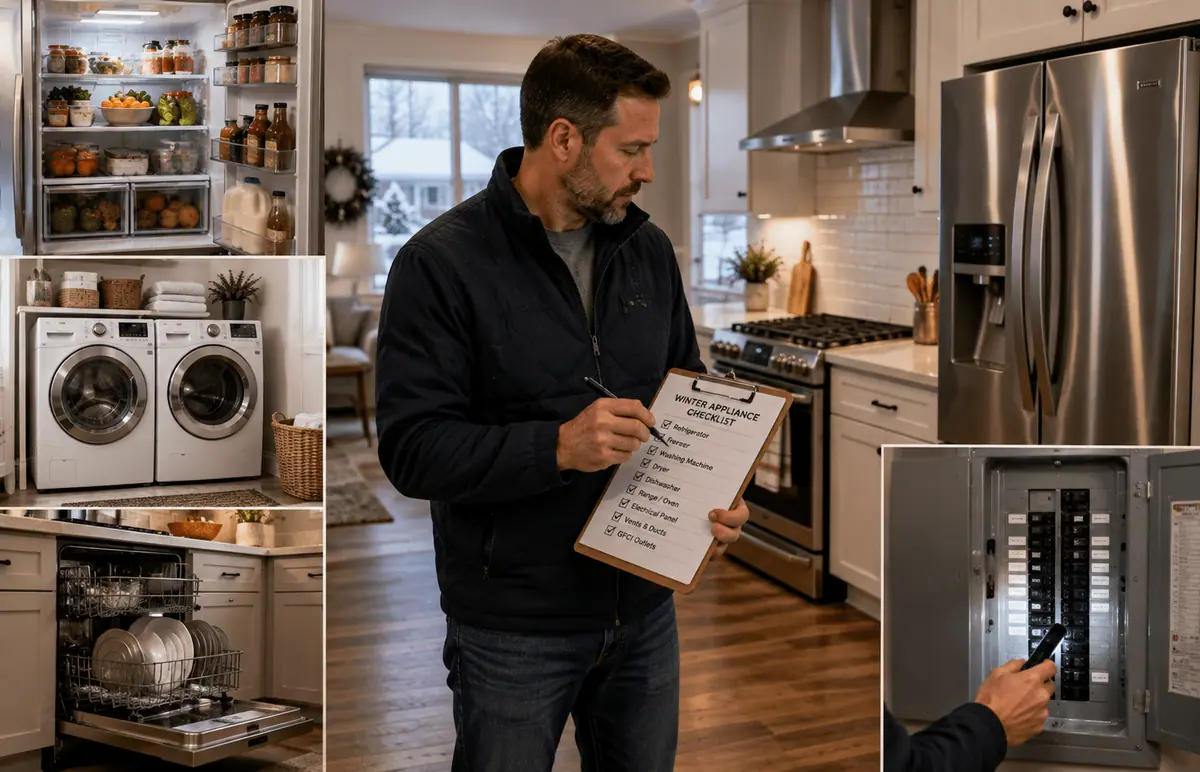
Winter appliance repair around Parma
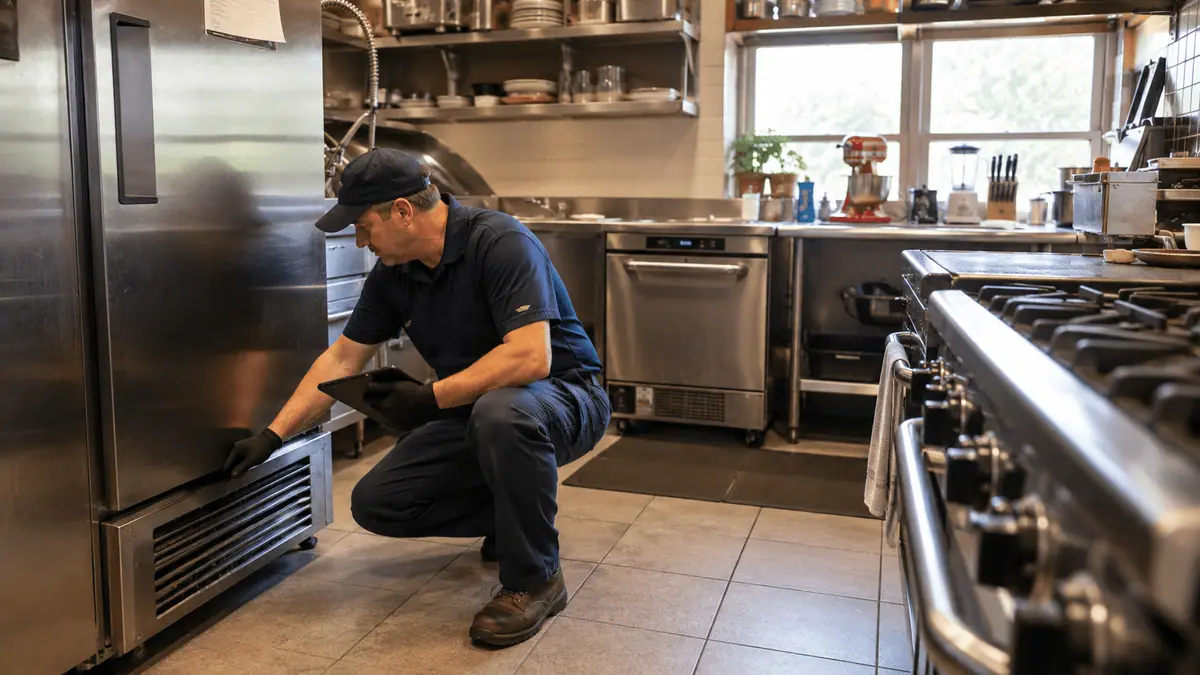
Some of that list ends with a part you can't fix at home. A cracked fill valve. A garage freezer that won't hold zero no matter what. We're out in Parma and the suburbs all winter long, Cleveland proper included. You hear the price before we touch anything. The fix stays under warranty for 90 days. Call (216) 352-3935, or book from our freezer repair page.
Questions people ask
Can a refrigerator stay in a cold garage over winter?
Only if the manual says it's rated for that room temperature or it's sold as garage ready. A regular fridge in a freezing garage barely runs, and the freezer side warms up. Check it with a thermometer or bring it inside for the season.
Why is my garage freezer not freezing in winter?
If it's the freezer half of a fridge, the sensor in the fresh food side feels the cold garage and stops the compressor. A standalone chest freezer is less affected. A thermometer reading over a few days tells you which case you have.
How do I keep my washing machine from freezing?
Keep the room above freezing if you can. On the coldest nights, open the door to the warm part of the house and shut the water valves after laundry day. Replace hoses that bulge or crack.
What should I do if my washer froze?
Unplug it and let the room warm up slowly. Don't use a heat gun or open flame. When it thaws, run a short cycle and watch for leaks under the machine. A cracked valve or pump housing needs a new part.
Is it safe to use the oven to heat the house?
No. A gas oven or burners used for heat can fill the house with carbon monoxide. Use a heater made for indoor use and keep a working CO alarm.
Do you repair appliances during winter storms?
Yes, as long as roads allow it. Our technicians are off on Saturday. Requests still come in every day, and we phone back to set a time.