Oven Repair for Gas, Electric and Wall Ovens
No heat, slow preheat or burned bottoms with raw centers. We repair the oven itself, from the elements to the controls.
One discount per visit. Mention it when you book.
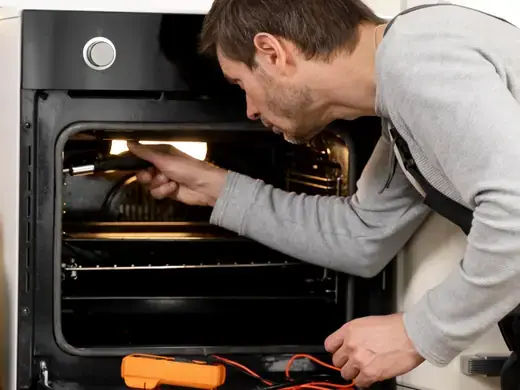
An oven that won't heat, or heats unevenly, usually has a bad bake element or a sensor that reads wrong. On gas models the igniter is the usual suspect. We fix the oven part of the appliance, the cavity with its elements and controls. That covers freestanding ranges and single wall ovens around Parma and Cleveland. Burners on top are a separate job, see our stove repair and cooktop pages.
Gas and electric ovens break in different spots. Electric ones cook with a bake element lying on the oven floor, plus a broil element in the ceiling. Gas ovens are fussier. Their igniter has to draw a certain amount of current before the valve agrees to open. A tired igniter can glow bright orange for minutes and still never light the burner. So the first thing the technician asks is which kind you've got.
The parts that usually fail
Most dead or wonky ovens come back to a handful of parts.
Bake and broil elements
Look at the element with the oven cold. You're hunting for a bubble on the metal or a spot where it split. Either one, it's done.
Gas oven igniter
Peek through the bottom slot and you might see it glowing orange. No whoosh, no flame. That's a weak igniter almost every time.
Temperature sensor
That thin metal probe at the back of the cavity. When it drifts, your 350 turns into 320 or 390.
Convection fan
Cookies on the convection setting brown on one side only, or there's a grinding noise at startup. The fan motor is on its way out.
Control board and keypad
Buttons that don't respond, a clock that keeps resetting, an error code on the screen. That's the electronic control.
Door lock
Door still locked hours after self-clean? The latch motor or its switch has stuck, and it needs a repair to let go.
Pale middles and burnt edges have their own write-up, why an oven heats unevenly. So does an oven that takes forever, in slow preheating.
Self-clean cycles and safety
Self-clean runs the cavity far hotter than any recipe ever will. That's exactly when a tired part decides to quit, halfway through or right after. A blown thermal fuse is one common result. A door that won't unlock is the other. Did yours quit after a self-clean? Tell us that when you call.
We're not big fans of self-clean on older ovens. Mix baking soda with a little water and smear it on the spills. Left overnight, most of the mess comes off with a damp rag in the morning.
Smell gas while the oven is off? Everybody outside first, then phone the gas utility from the yard. Nothing else comes before that.
Before you book an oven repair
- Clock and breakerDisplay totally blank? That's usually power, not the oven. Flip the range or wall oven breaker fully off, then back on.
- Bake versus broilSwitch to broil for a minute. Top element glowing while bake stays dark points straight at the bake element or its wires.
- An oven thermometerA cheap dial thermometer on the middle rack tells you how far off the oven really runs.
Every model preheats at its own speed. What matters is an oven that needs a lot longer now than it did last year.
Running a little hot or cold?
Ten or fifteen degrees off doesn't always mean broken. Lots of digital ovens have a hidden offset setting, often around 30 or 35 degrees either way. The manual shows the button combo. Watch a thermometer over a few bakes before touching it.
Reading jumps around, or drifts further every week? Then the sensor or the control is failing, and no adjustment will hold. That's when it's time for a visit.
Rack position plays a part too. Food on the lowest rack sits a couple of inches from the element, and dark nonstick pans brown faster than shiny aluminum. Move to the middle rack with a light pan before you blame the oven.
The preheat beep comes early on most ovens. Wait twenty minutes past it before you read the thermometer.
Repair the oven or replace it?
Elements and igniters are common parts and quick to swap. Sensors, door locks and convection fans are the same story.
A burned control board on an older oven is a tougher call. So is rust that has eaten through the enamel inside. Sometimes a new oven is the better buy.
You hear the figure first. Our warranty on the oven repair is three months.
Veterans and seniors take thirty dollars off the visit. New customers take twenty.
Ovens we work on
- Gas ovens
- Electric ovens
- Convection
- Single wall ovens
A convection oven adds a fan with its own element around it. So it can bake fine in regular mode and still fail the moment you switch to convection.
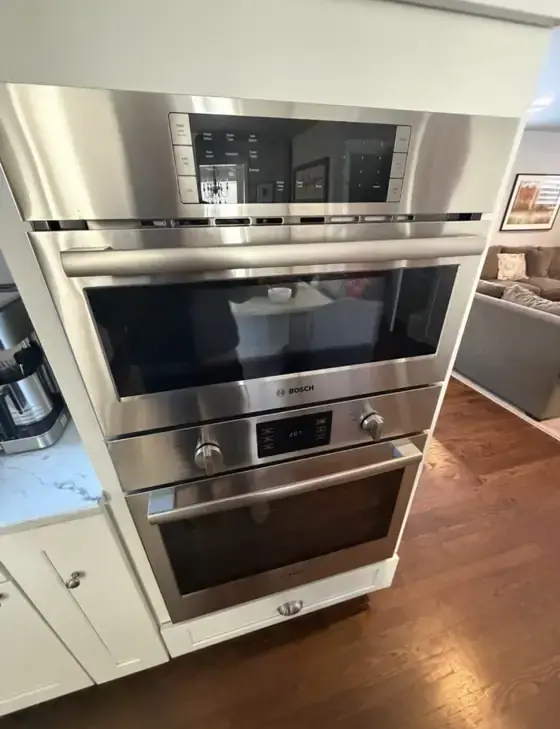
Two ovens in one unit are their own topic, see double oven repair. We fix GE ovens and Bosch wall ovens, JennAir and KitchenAid too. Whirlpool and Frigidaire round out the usual list.
Why is my oven not heating?
On an electric oven, a burned bake element or a tripped breaker is the usual answer. On gas, it's most often a weak igniter. A bad sensor or control can stop the heat too.
Why does my oven take so long to preheat?
A weak igniter on gas models, a failing element on electric ones. See our preheating guide.
Why does my oven cook unevenly?
Often an element that only partly works. A convection fan or a sensor that reads off can do it too. Our article on uneven heating explains how to tell.
Is it safe to run the self-clean cycle?
The oven is built for it, but that heat is hard on aging parts. Take the racks out if the manual says so. And maybe don't run it the day before a holiday dinner.
Is it worth repairing an oven?
Elements and igniters, almost always. Sensors and locks too. A dead control board on an old oven is the one to weigh against buying new.
Why is my oven not heating but the stove top works?
The burners and the oven use separate parts. A failed bake element or a weak oven igniter stops the oven while the top keeps cooking.
Why does my oven smell like gas?
A quick whiff as a gas oven lights is normal. A strong smell, or one that hangs around, is not. Turn it off, get everyone outside and call the gas company.
Can you fix an oven door that will not close?
Yes. It's usually worn hinges or a bent hinge arm, sometimes a damaged gasket. All of those are replaceable.
Choose Oven or range and mention gas or electric in the notes.
We will call you shortly to confirm a time for your repair.
How an oven repair visit goes
Most ovens are heating again the same day.
Gas or electric, and the symptom
Also the model number, usually on the frame behind the door or the drawer.
Pick your slot
Earliest openings go first, and we confirm by phone.
Heat and sensor tests
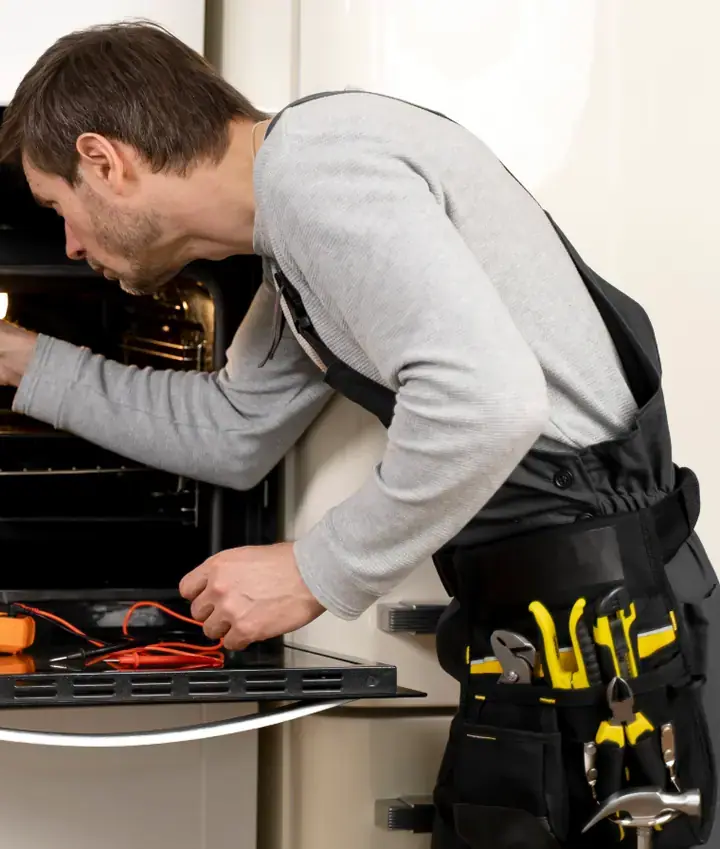
Elements or igniter, sensor and control are measured one by one.
Cooking again, covered
Every oven repair has our 90-day warranty.
More of the kitchen we cover
One visit can cover the cooktop, fridge or dishwasher too.
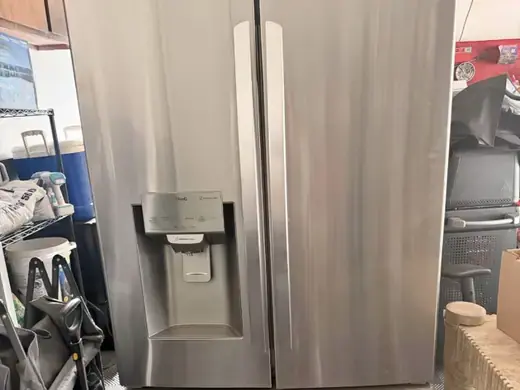
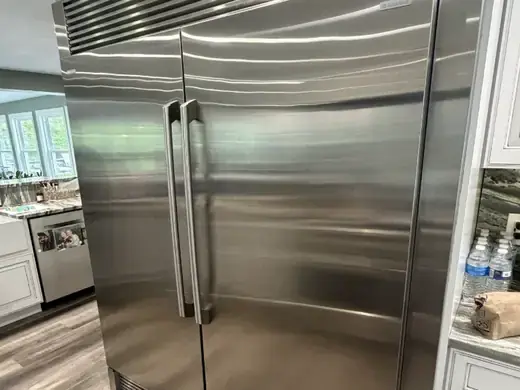
Refrigerator repair
Fridge clicking and warm
Freezer repair
Freezer running nonstop
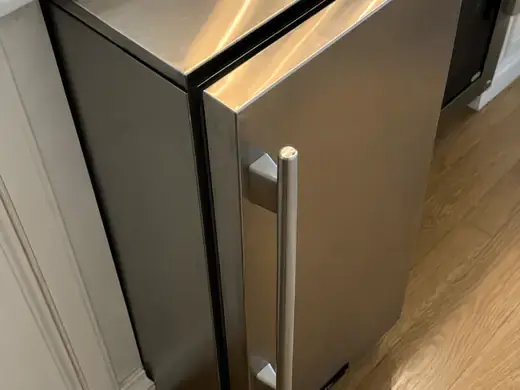
Ice maker repair
No ice in the bin
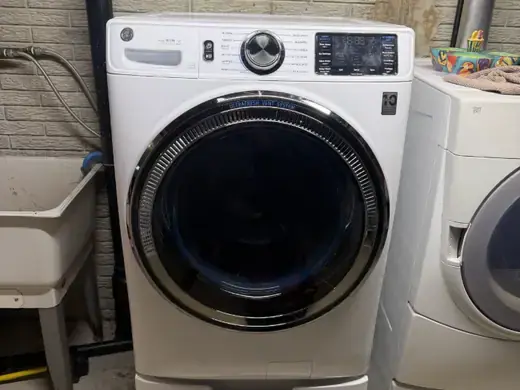
Washer repair
Washer banging on spin
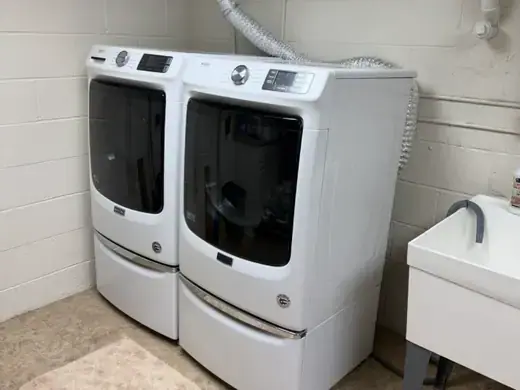
Dryer repair
Dryer slow to dry
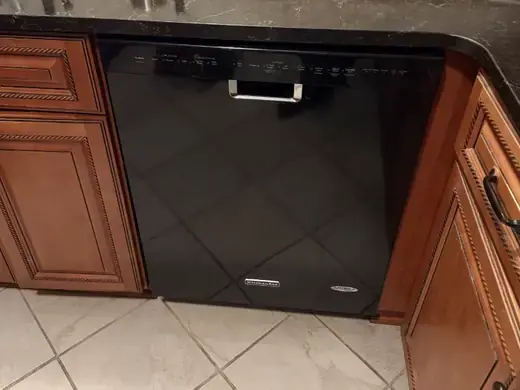
Dishwasher repair
Dishwasher not draining
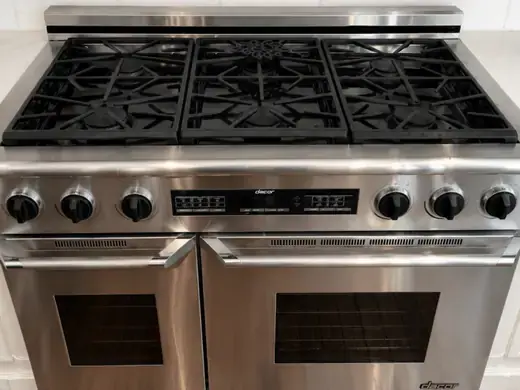
Range repair
Whole stove, top and oven
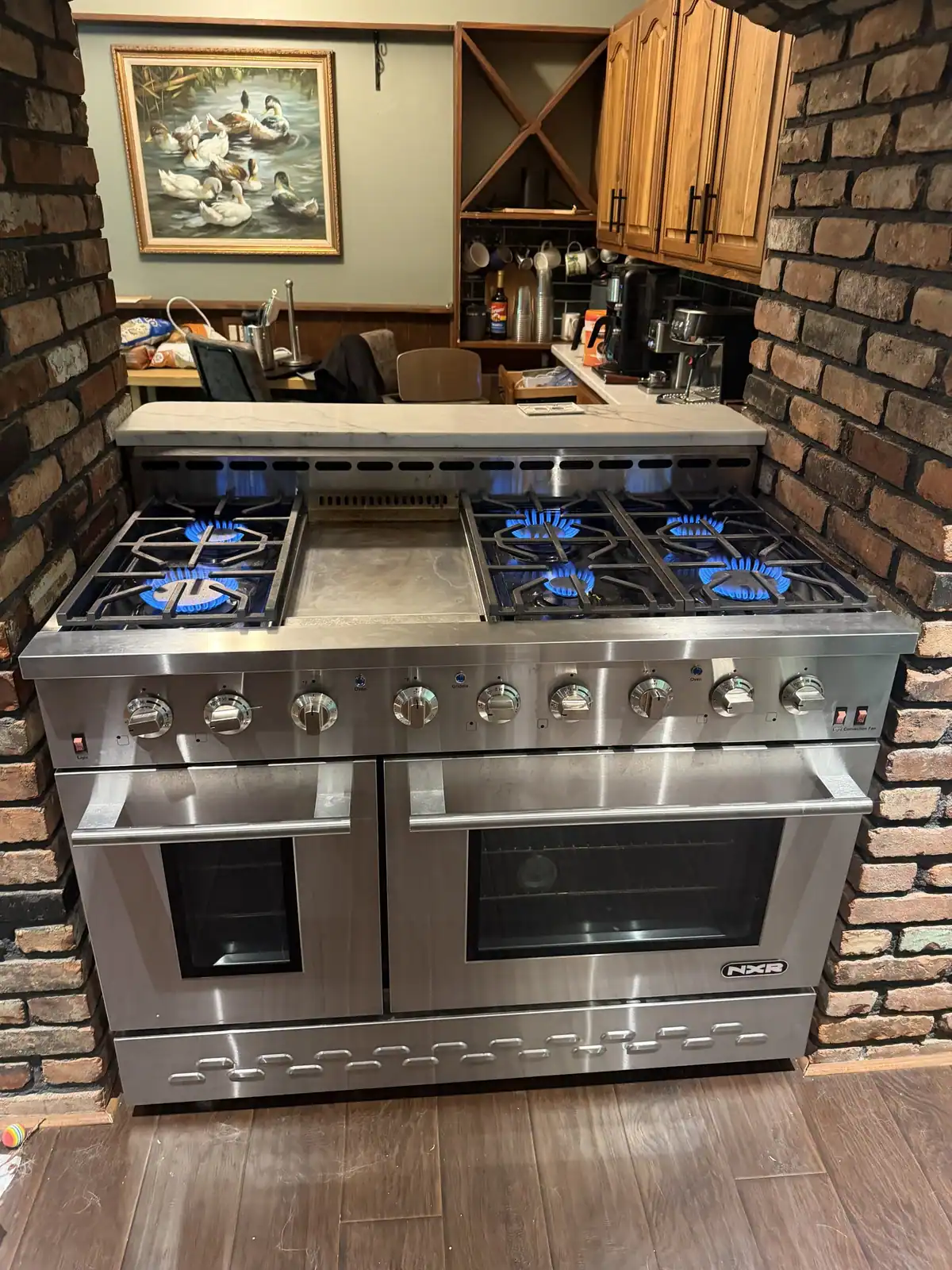
Double oven repair
Two cavities, one failing
Cooktop repair
Built-in cooktop only
Plus garbage disposals. See every service
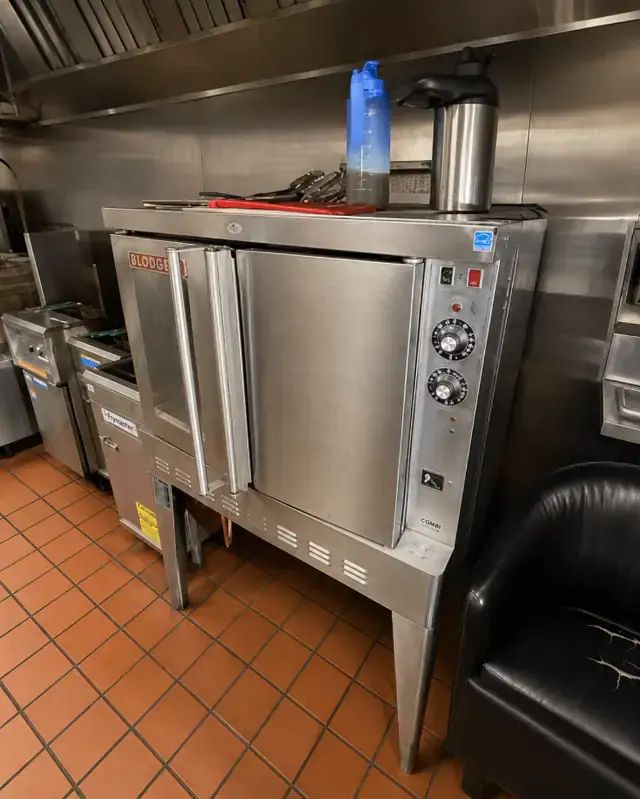
Commercial ovens
Convection and deck ovens in restaurants, booked before service.
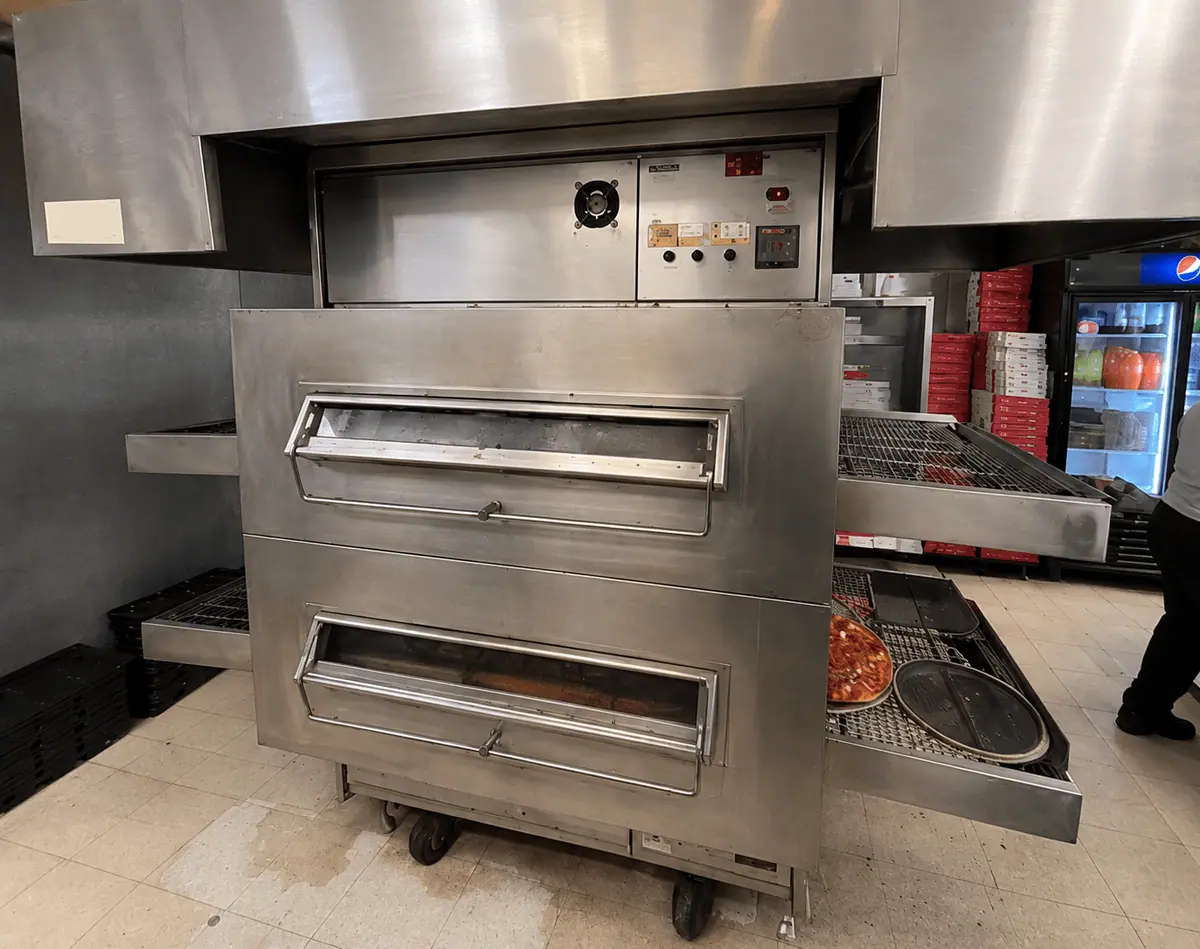
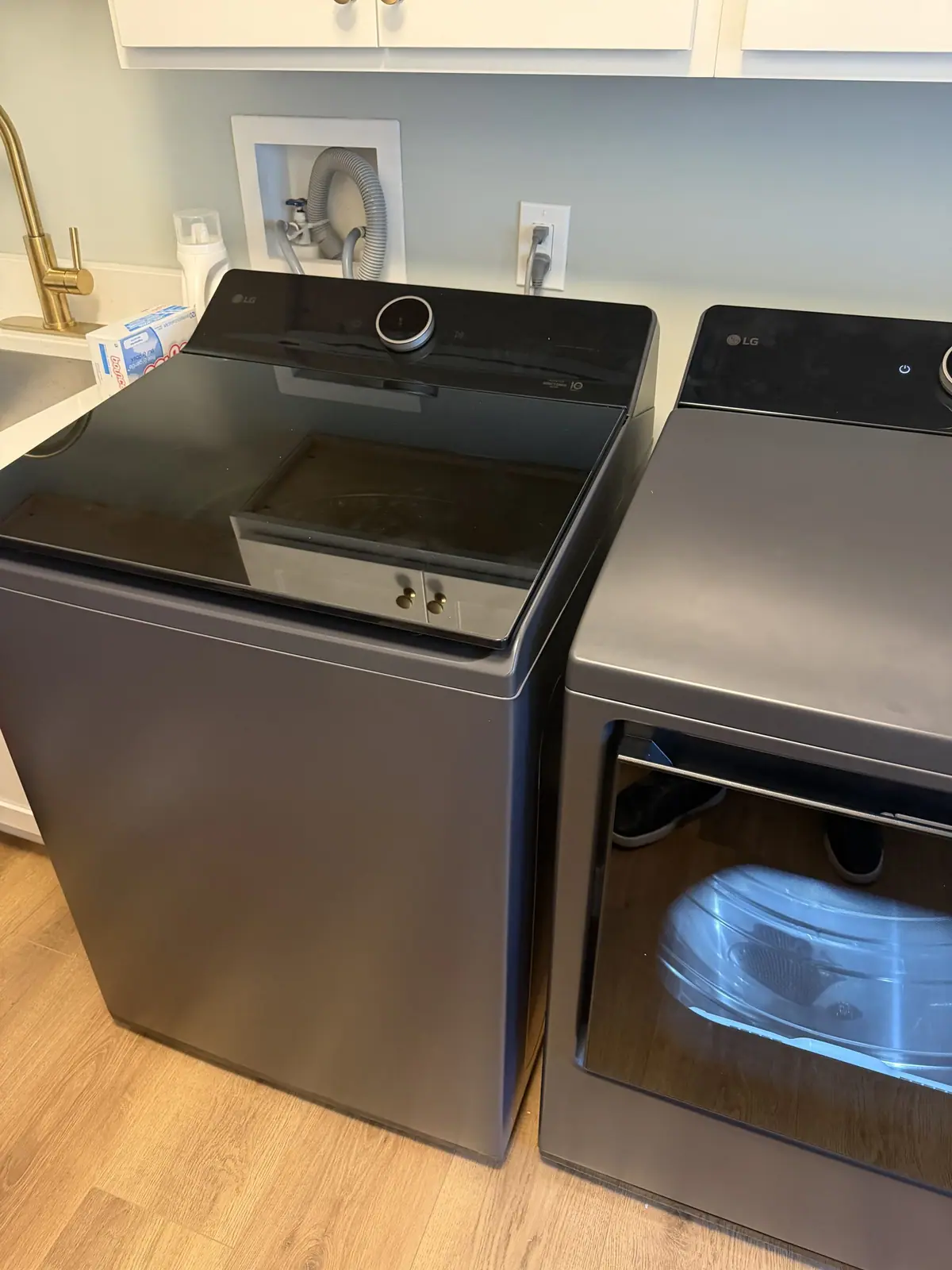
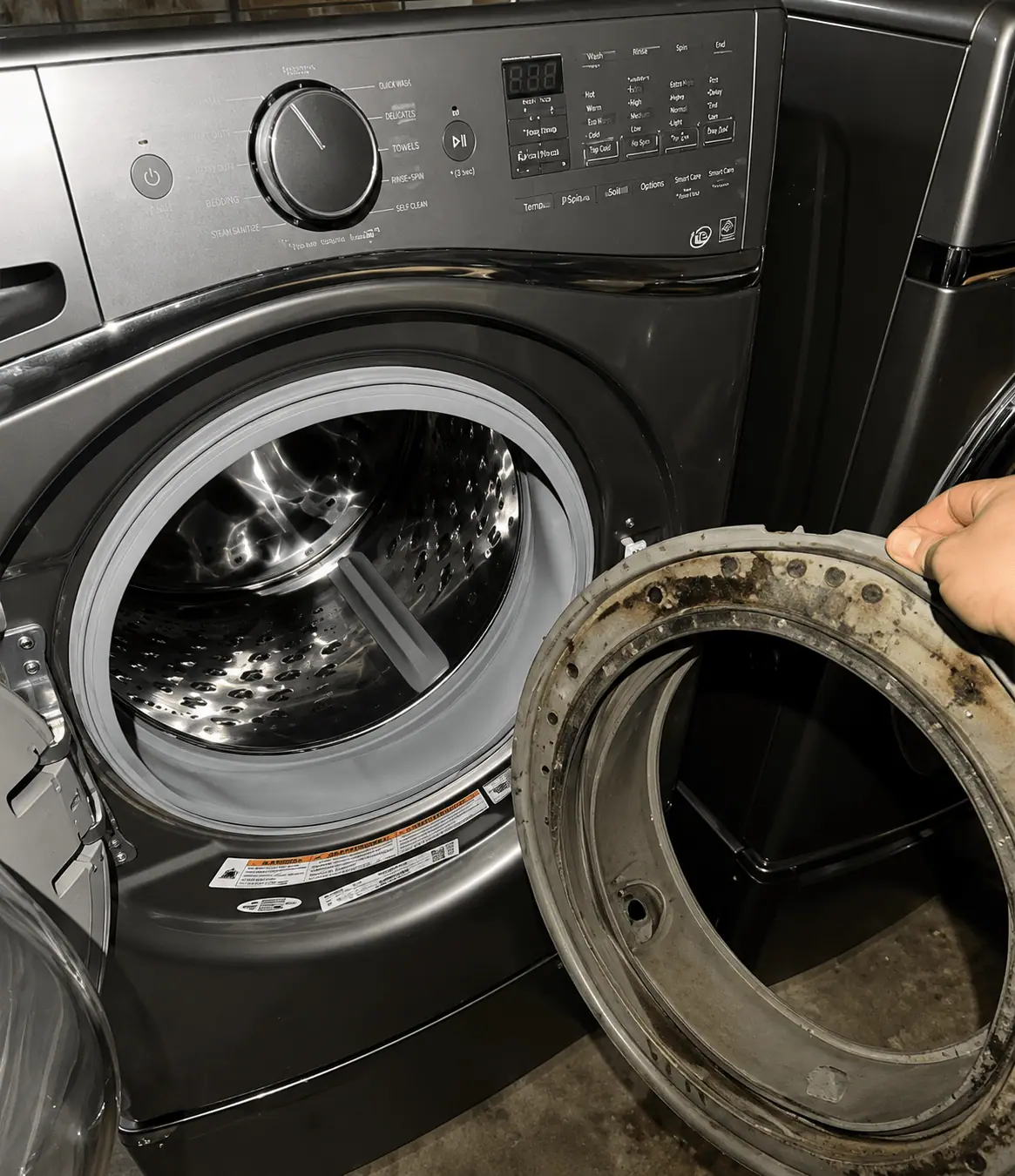
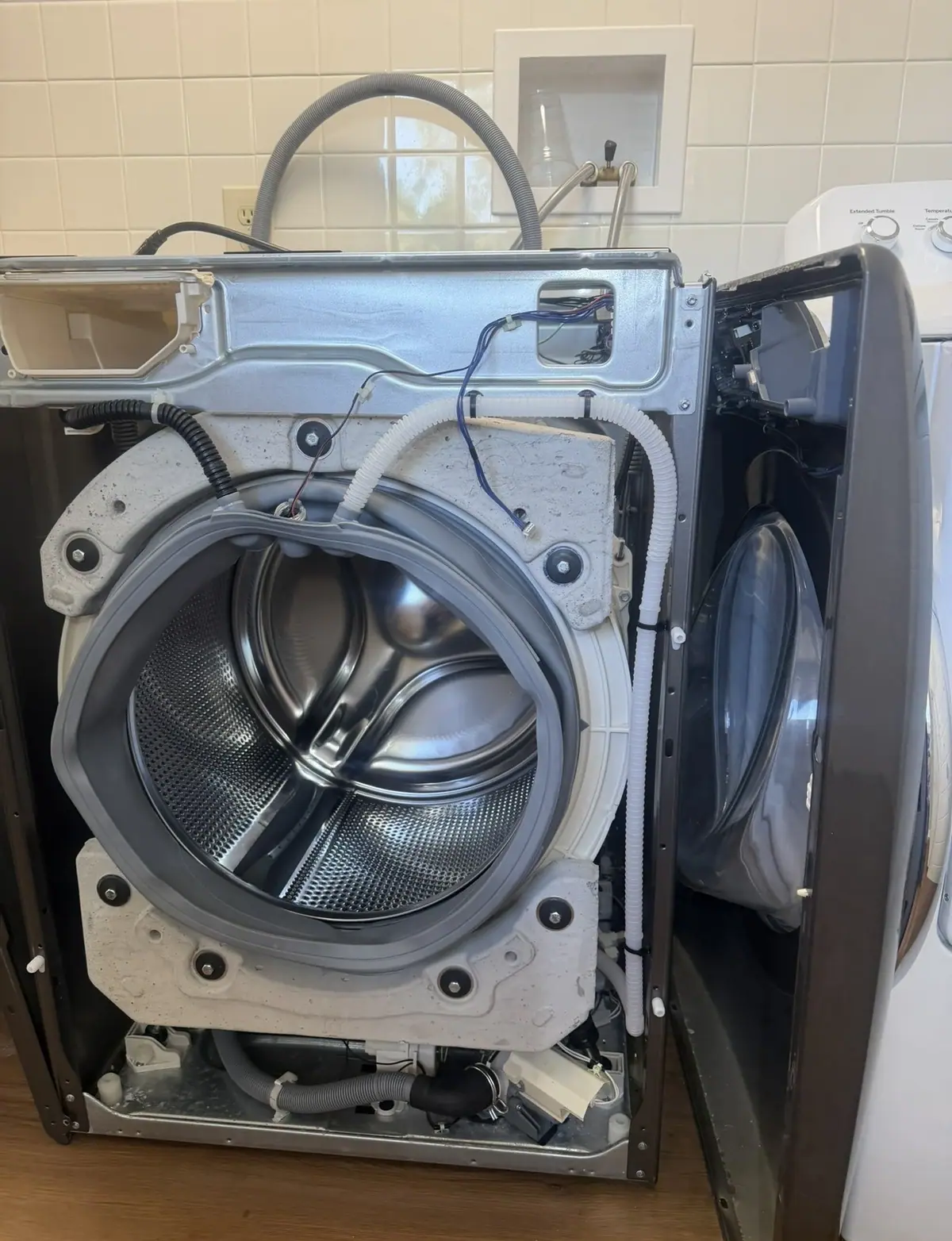
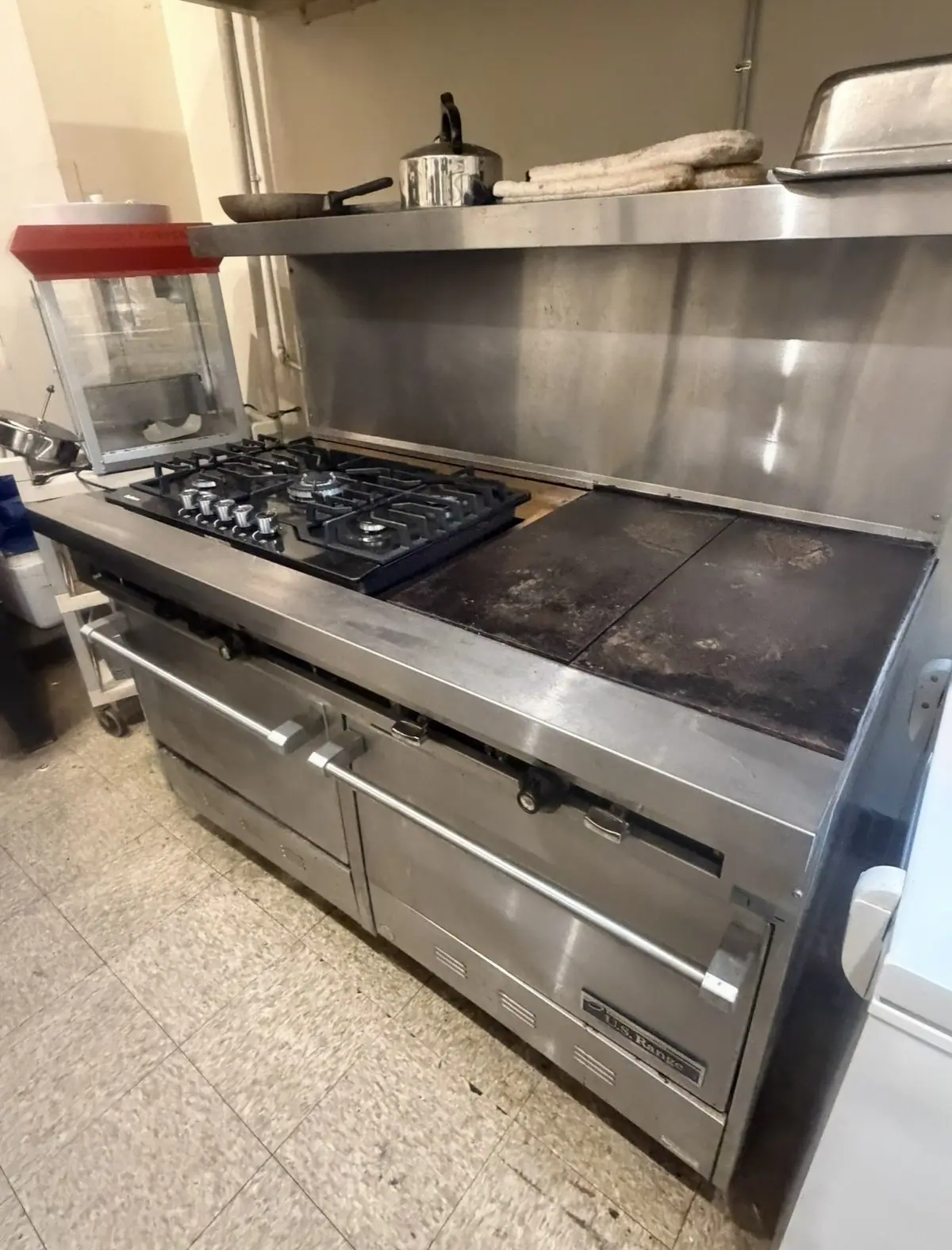
Ovens we have worked on
Wall ovens, range ovens and commercial convection ovens.
Oven brands we service
Wall ovens and range ovens from these makers come through our hands often.
Imported or older oven? Send a photo of the rating plate behind the door.
Oven repair close to home
We do oven repair in Cleveland neighborhoods like Old Brooklyn and in the suburbs out to Strongsville.
Call or book an oven repair. Weekend requests are fine too.
(216) 352-3935