Appliance Maintenance in Cleveland
Published: September 4, 2026
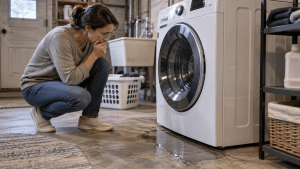
There is a big difference between an appliance that is annoying and an appliance that is telling you, very clearly, “Deal with this today.” A refrigerator making a little more noise than usual may give you time to schedule service. A washing machine sending water across the laundry-room floor does not. The trouble is that most appliances do not come with a flashing sign that says “urgent,” so homeowners are left trying to decide whether a strange smell, leak, clicking sound, temperature change, or electrical problem is something they can watch for a day or something that needs same-day appliance repair in Cleveland.
That decision matters because delay can change the size of the repair. A worn part that costs relatively little to replace today may damage a motor, electrical connection, cabinet, floor, or surrounding component if the appliance keeps running. Water is even less forgiving. A slow dishwasher or washing-machine leak can move underneath flooring, cabinets, or finished basement materials where the damage becomes much harder to see and far more expensive to correct. Refrigeration failures create another clock entirely because once food temperatures rise, the issue is no longer just mechanical—it becomes a food-loss and food-safety problem.
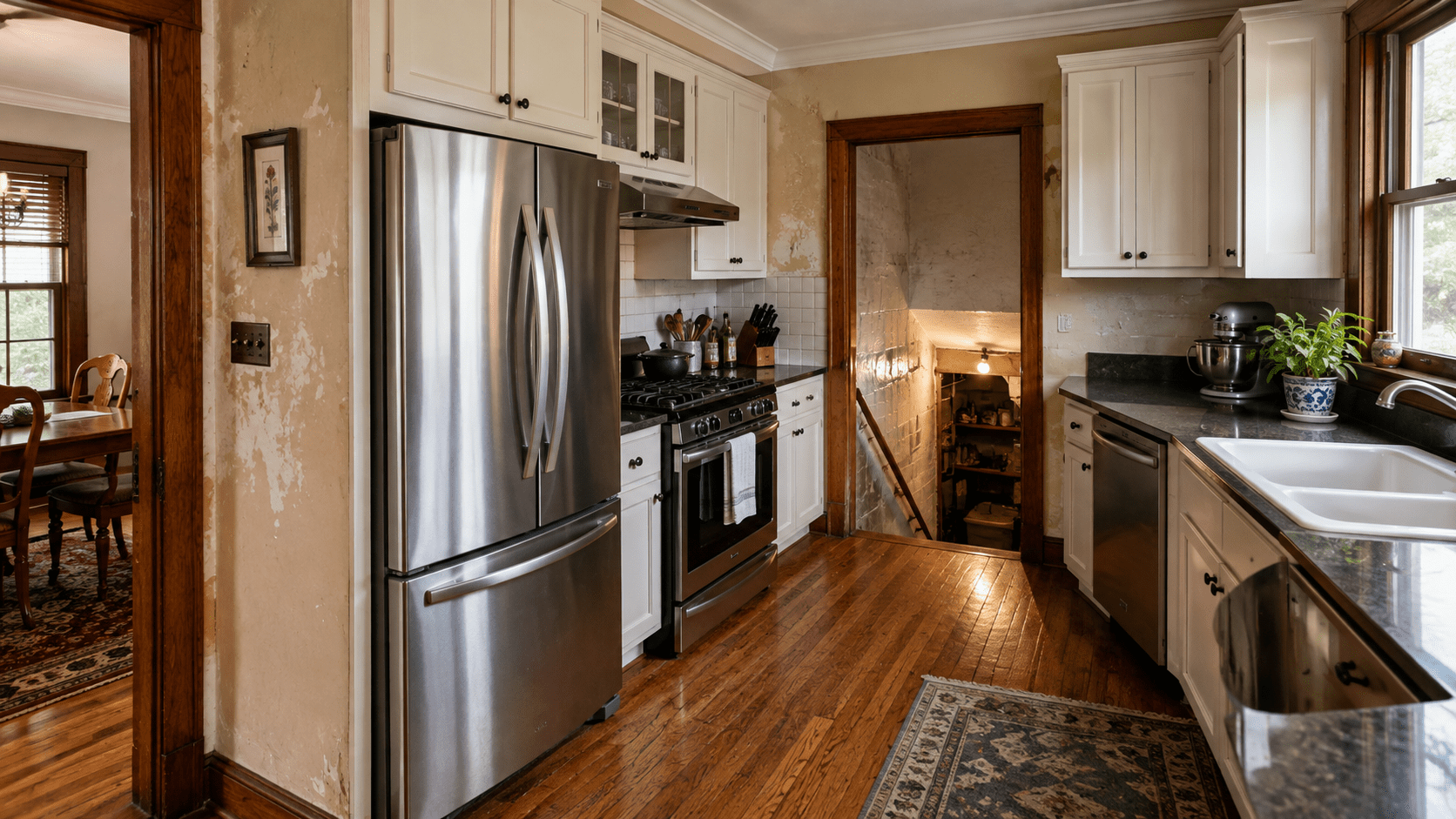
Cleveland homes also create their own mix of appliance challenges. Many properties have older electrical systems, basements, utility rooms, renovated kitchens, long dryer vent runs, and plumbing that may have been modified more than once over the years. Add humid summer weather, cold winters, and everyday wear, and an appliance symptom can occasionally involve more than the machine itself. Homeowners dealing with these conditions can also read about common appliance problems in older Cleveland homes.
The key is knowing which warning signs deserve immediate attention. Burning odors, sparks, repeated breaker trips, active leaks, uncontrolled overheating, significant refrigeration loss, gas odors, and violent mechanical noises should not be treated like ordinary inconvenience. Other problems can usually wait for a scheduled visit if the appliance can be safely shut down. Understanding the difference helps you protect the appliance, your property, your food, and, most importantly, the people in the home.
People sometimes hear the words “same-day repair” and assume they are simply about convenience. Sometimes they are. If the refrigerator stops cooling the morning before a family gathering, getting it repaired quickly is obviously convenient. But the real reason some appliance failures deserve immediate attention is that the risk keeps increasing while the problem remains unresolved. The machine may be damaging itself, water may be escaping, electrical components may be overheating, or perishable food may be warming every minute you wait.
Think of appliance trouble like a leak in a roof. A missing shingle can technically wait if the weather is dry, but once water is coming through the ceiling, the situation has changed. Appliance failures work the same way. A dryer that takes ten minutes longer than normal may deserve inspection soon. A dryer producing a burning smell needs to stop operating now. A dishwasher that cleans poorly may survive until a scheduled appointment. A dishwasher actively pumping water onto hardwood flooring should not spend another cycle proving that something is wrong.
Urgency also depends on what happens when you stop using the appliance. If a broken oven can simply remain off until tomorrow, the immediate risk may be low. If a refrigerator containing a week’s worth of groceries is sitting at 55°F, every hour matters. If a washing machine’s shutoff valve will not close while water continues escaping, the issue has moved beyond normal appliance inconvenience.
Another important distinction is between same-day repair and emergency safety response. Certain situations should not wait for an appliance technician at all. If you smell gas, see smoke, observe active sparking, or believe there is an immediate fire or electrical hazard, leave the area when appropriate and contact the proper emergency service, utility provider, or qualified electrical professional. An appliance repair appointment comes after immediate safety is addressed.
The smartest rule is simple: if continued operation can reasonably create fire, electrical shock, flooding, significant food loss, or additional mechanical damage, stop using the appliance and deal with the problem promptly.
Electrical appliance problems have a habit of starting small. Maybe you notice a faint hot-plastic smell when the dryer runs. Maybe the refrigerator causes the lights to flicker during startup. Perhaps the oven trips a breaker once, then works perfectly after you reset it. Because the appliance comes back to life, it is tempting to think the problem solved itself. It did not. Repeated breaker trips, burning odors, hot plugs, discolored outlets, sparks, crackling sounds, and visible damage around electrical connections are warning signs, not personality quirks.

A breaker is designed to interrupt power when an unsafe electrical condition may exist. Resetting it once after an obvious temporary overload is one thing. Resetting the same breaker again and again because “the appliance always does that” is very different. Something may be drawing excessive current, a connection may be loose, wiring may be damaged, or a component inside the appliance may be failing. Continuing to power the machine can create additional heat, and heat is exactly what you do not want around electrical connections.
Older Cleveland houses deserve particular care because electrical systems can contain a mix of newer and older work. Kitchens and laundry areas may have been remodeled years after the original house was built, and an appliance problem can occasionally expose a weakness in the circuit rather than a defect inside the machine. If several unrelated appliances behave strangely on the same circuit, the building’s electrical supply should be considered along with the appliance. More context on these conditions is available in Why Appliances in Older Cleveland Homes May Require Special Repair Attention.
The smell of burning insulation, melted plastic, or overheated wiring should always get your attention. If it can be done safely, stop using the appliance and disconnect power. Do not remove covers and begin probing electrical components unless you are qualified to work on energized systems. If you see smoke, active sparking, or signs of fire, treat the situation as an emergency rather than waiting for routine repair.
Same-day appliance repair makes sense when electrical symptoms appear because electrical failures rarely improve through continued use. The appliance may still run, but “still running” is not the same as “safe to keep running.”
Refrigerator problems are different from many other appliance failures because the contents of the machine have their own deadline. If a dishwasher stops working, the dishes wait. If the refrigerator stops cooling, milk, meat, leftovers, seafood, dairy products, and other perishable foods begin moving toward unsafe temperatures. That is why a refrigerator that is no longer cooling properly is one of the strongest reasons to arrange prompt refrigerator repair in Cleveland, particularly during warm summer weather.
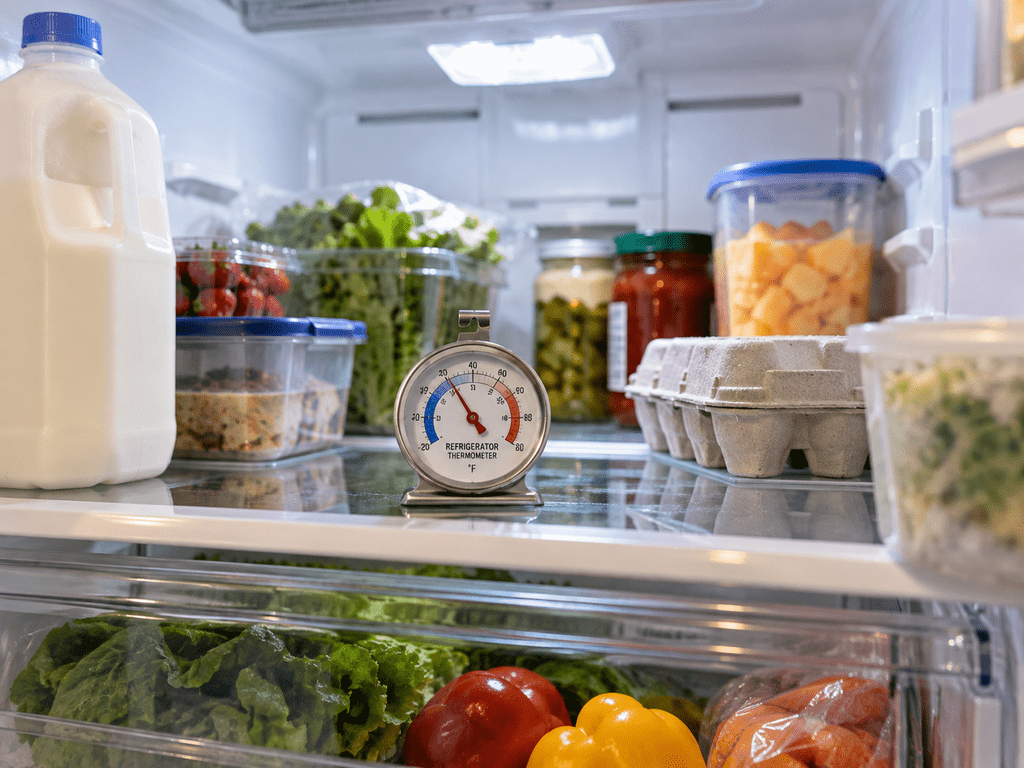
Do not assume the refrigerator must be completely warm before the problem becomes urgent. Warning signs include rapidly rising internal temperatures, a compressor that repeatedly clicks without starting, a refrigerator that has gone completely silent when it normally cycles, unusually long running times combined with poor cooling, or a freezer that suddenly begins thawing. Frost patterns can also provide clues. Heavy unexpected ice buildup in one area while the fresh-food section becomes warm may indicate an airflow or defrost-related problem that needs diagnosis.
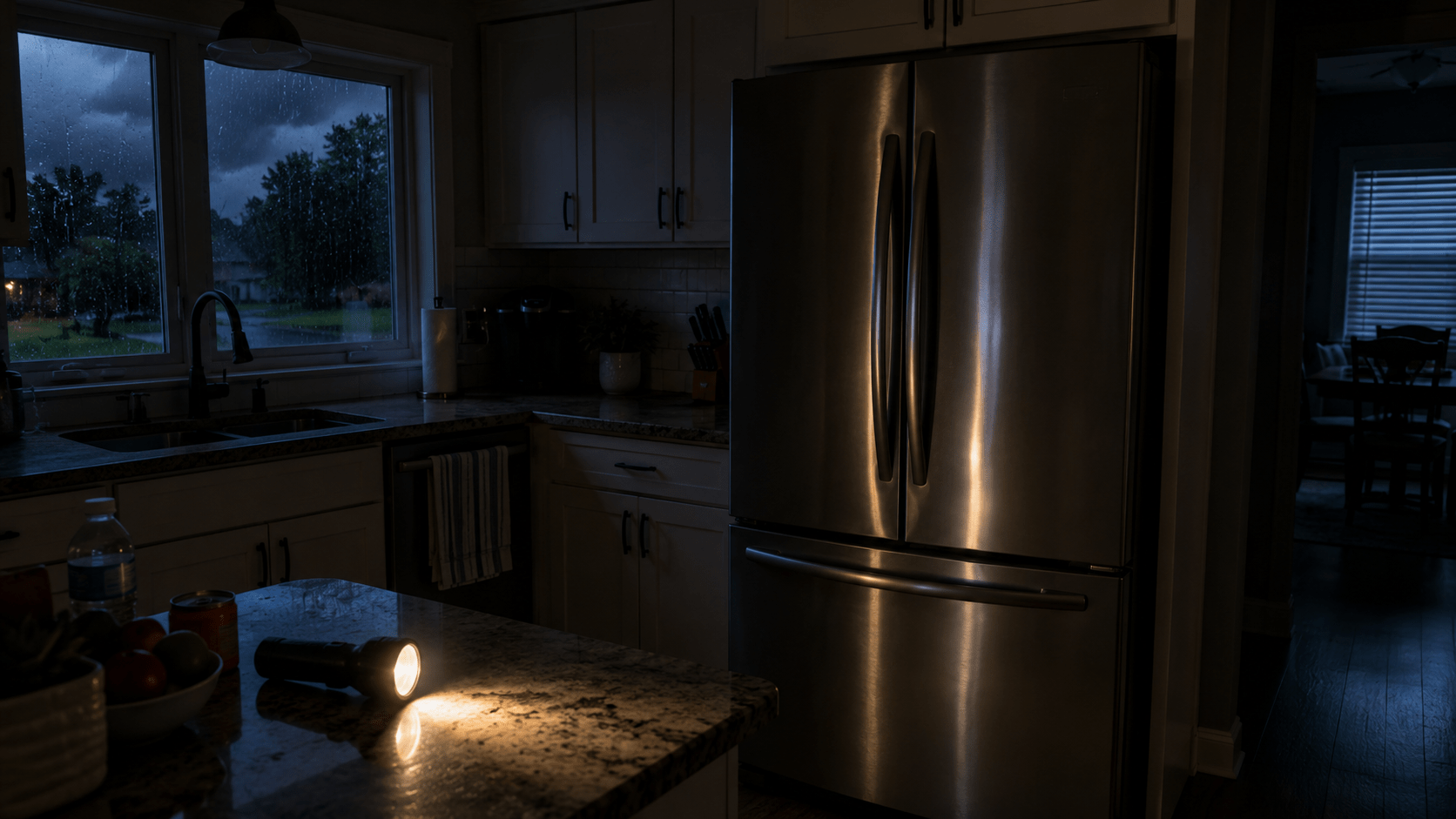
Temperature matters more than how cold food feels in your hand. A refrigerator should generally keep perishable food at 40°F or below. During a power or cooling failure, keep the doors closed as much as possible while you figure out what is happening. Opening the refrigerator every ten minutes to check whether it feels cold releases the very cold air you are trying to preserve.
Freezers usually give you more time because frozen food acts as stored thermal mass, but a completely nonworking freezer still deserves prompt freezer repair. If food begins thawing, the decisions become more complicated. Food that still contains ice crystals or has stayed at 40°F or below may often remain safe to refreeze, though quality can change.
Sometimes the problem is simple—a door left slightly open, a blocked vent, or poor airflow around the appliance. Other times it involves a fan, sensor, compressor-starting component, defrost system, or electrical issue. The faster you diagnose a genuine refrigeration failure, the better your chances of saving both the appliance and the groceries inside it. If cooling performance is the main symptom, these signs that a refrigerator needs repair can help explain when the problem deserves professional diagnosis.
Water does not care whether your appliance repair appointment is scheduled for Thursday. Once it starts escaping, it moves wherever gravity, flooring gaps, cabinetry, and building materials allow it to go. That is why an active appliance leak is usually a same-day problem, especially when the leak continues during operation or the water supply cannot be shut off easily. The appliance itself may need only a hose, seal, valve, pump, or drain repair, but the property around it can turn that straightforward job into a much larger expense.
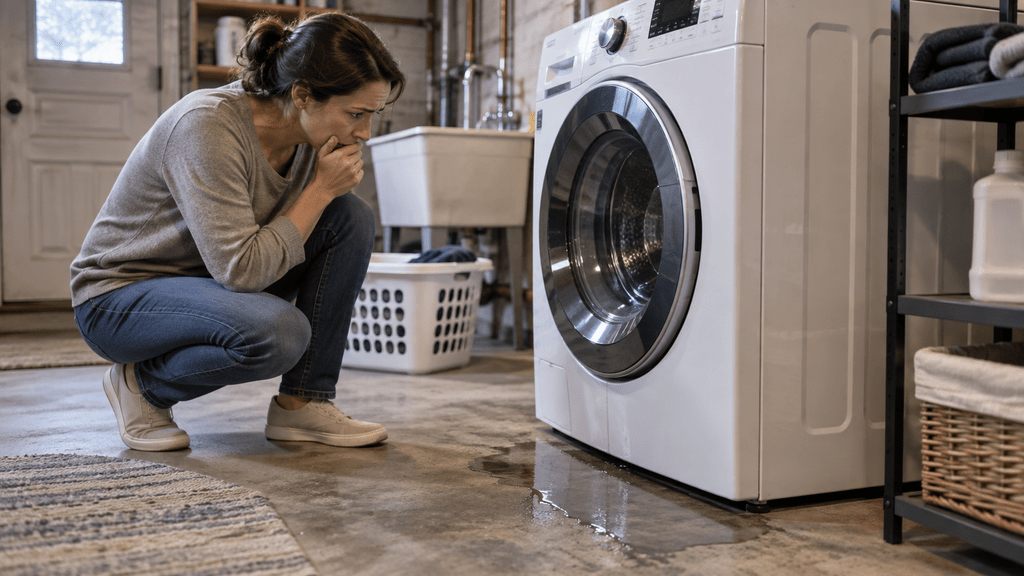
A small washing-machine leak can travel underneath flooring where you cannot see it. Dishwasher water can work its way beneath kitchen cabinets and create swelling, staining, or moisture damage before anyone realizes how far it has spread. Refrigerator supply-line leaks can be particularly sneaky because the line may run behind the appliance where nobody looks during normal use. By the time water appears at the front, the area behind the refrigerator may have been wet for some time.
The first step is not diagnosis. The first step is stopping the water if it can be done safely. Turn off the appliance, close the appropriate water-supply valve, and prevent additional water from reaching the floor. If the valve is corroded, frozen, damaged, or will not close, the situation may require plumbing assistance rather than forcing the valve and potentially making the leak worse.
Once the immediate flow is controlled, look at where the water originated. Clear water appearing only during fill may suggest a supply-side issue. Water appearing during drain or spin may point toward a drain hose, pump, seal, or household drain problem. Dishwasher leaks can occur at the door, hose connections, pumps, or underneath the tub. Refrigerators may leak from supply lines, drains, ice-making connections, or internal condensation systems.
The exact diagnosis can wait for a trained technician. Stopping continued water damage cannot. If an appliance leaks once, do not run “one more cycle just to see if it happens again.” The puddle you already cleaned up was the test.
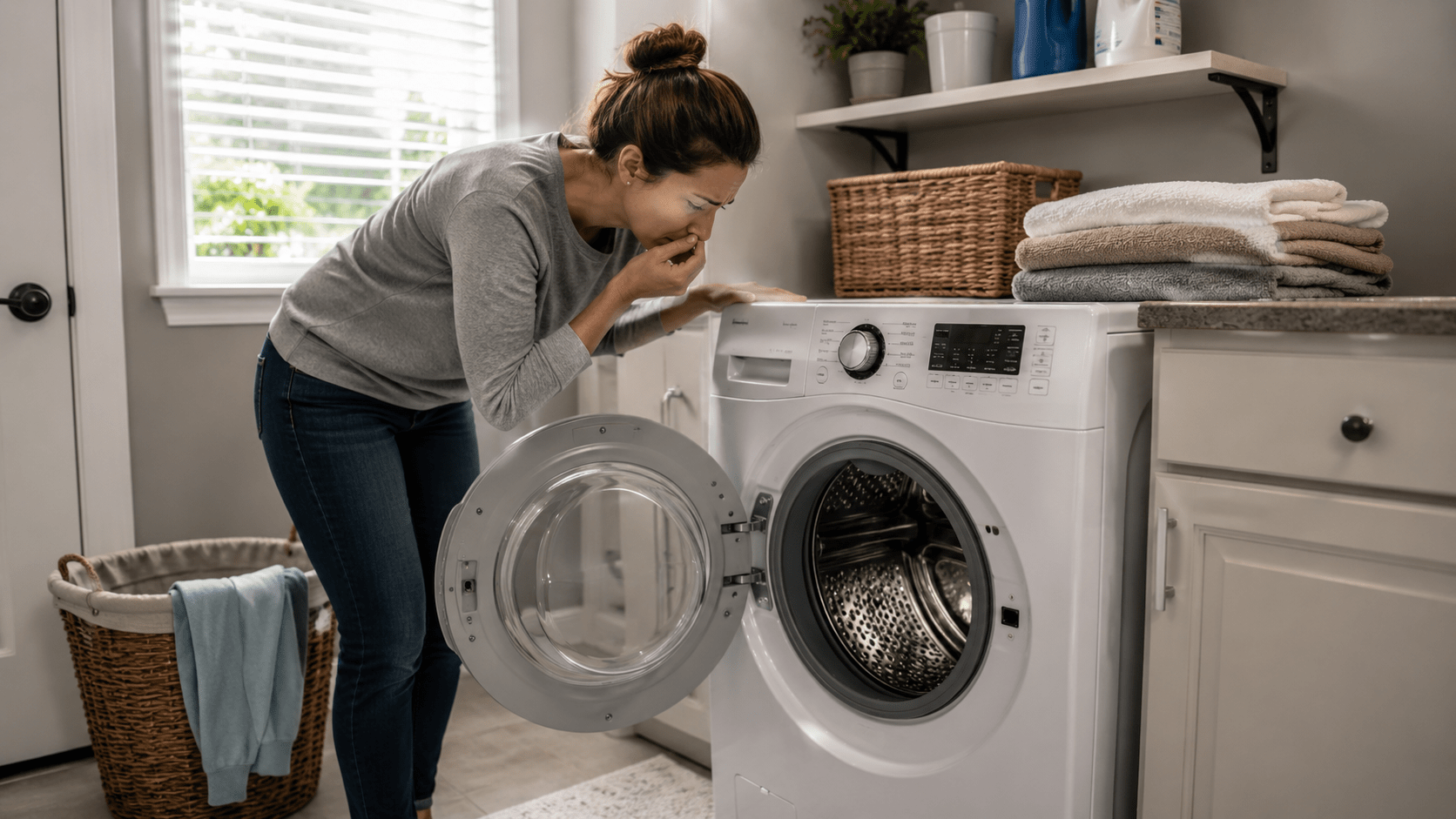
A washing machine combines electricity, moving mechanical parts, a heavy spinning load, and a large volume of water, which gives it several ways to turn a small malfunction into a serious household problem. The most obvious urgent symptom is active leaking, but it is not the only reason to stop the machine and arrange prompt washer repair. Violent shaking, metal-on-metal noises, a burning smell, repeated electrical trips, failure to stop filling, or a drum that behaves unpredictably can all justify same-day attention.
Violent movement is especially important to distinguish from ordinary vibration. Every washer moves somewhat during high-speed spin, particularly with towels, bedding, or other uneven loads. But if the machine suddenly begins walking across the floor, striking walls, or banging hard enough that you can hear it elsewhere in the house, stop the cycle. The problem could involve an unbalanced load or poor leveling, but it may also indicate worn suspension components, bearing trouble, or another mechanical issue. Continuing to run a machine that is physically throwing itself around can damage hoses, connections, flooring, and internal components.
An overfilling washer deserves immediate attention too. If water continues entering after it should stop, shut down the machine and water supply when safe. Do not depend on the tub to contain an unlimited amount of water while you search for a solution. A failed valve, pressure-sensing problem, or control issue can create flooding very quickly.
Drain problems require judgment. A washer that simply stops with water in the tub may be inconvenient but stable if the machine remains off. A washer whose standpipe overflows every time the pump runs is a property-damage problem and may involve the building drain rather than the washer itself.
Listen for new grinding, roaring, squealing, or electrical buzzing sounds. A washer that sounds dramatically different from yesterday is giving you information. Same-day repair is especially appropriate when the symptom involves water, electrical heat, uncontrolled motion, or evidence that continued operation could turn one failed part into several.
A dishwasher is easy to underestimate because it usually sits quietly under the counter, but it is connected to water, electricity, drainage, cabinetry, and flooring all at once. When it fails, the immediate question is not simply whether the dishes will get clean. The important question is whether continuing to use it could leak water, overheat electrical components, or create a sanitation problem. If the answer is yes, the dishwasher should remain off until it is inspected.
Active water underneath the machine is the clearest urgent sign. A few drops around the door may come from loading, excess suds, or a dirty sealing surface, but water appearing repeatedly under the cabinet is a reason to arrange dishwasher repair. The source may be a hose, pump, valve, seal, connection, or drain problem, and the water can travel much farther underneath cabinets than the visible puddle suggests. Running another full cycle to “confirm the leak” can add several gallons of confirmation you did not need.
Electrical odors or unusual heat also require quick action. If you smell hot wiring, melting plastic, or a sharp electrical odor, shut the dishwasher off and disconnect power when it can be done safely. A dishwasher that repeatedly trips a breaker or stops mid-cycle with signs of overheating should not be repeatedly restarted.
Drainage problems sit somewhere in the middle. Standing water in the bottom of the dishwasher does not always require emergency service, but it does require attention. A clogged filter, restricted hose, blocked household drain, or failed pump can be responsible. If dirty water is backing into nearby fixtures or spilling onto the floor, the urgency increases significantly.
Poor cleaning alone can usually wait for a scheduled appointment unless the dishwasher is being used in a setting where sanitation depends on reliable performance. In a typical home, handwashing dishes temporarily is inconvenient but safe. If poor cleaning is the main issue rather than an urgent safety problem, see why a dishwasher leaves dishes wet or dirty for common factors that can affect performance.
The rule is straightforward: a dishwasher that merely cleans badly can often wait; a dishwasher that leaks, overheats, sparks, smells electrical, or creates uncontrolled drainage problems should not.
Dryers deserve more respect than they often get because they combine high heat, moving air, electricity or fuel, and a material that accumulates easily: lint. A dryer that takes longer to dry clothes may simply need maintenance, but a dryer that smells burned, becomes abnormally hot, produces smoke, repeatedly shuts down from heat, or operates with severely restricted airflow should stop running until the cause is identified. When these symptoms appear, prompt dryer repair may be necessary rather than trying to “see if it makes it through one more load.”
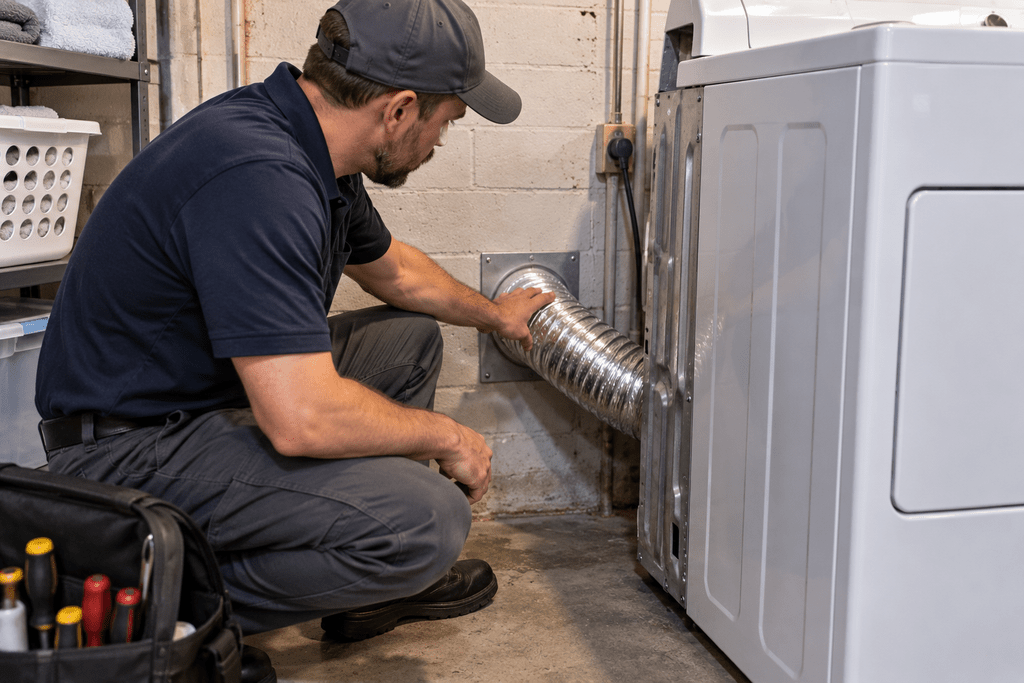
Long drying times are often one of the earliest clues that airflow is becoming restricted. A dryer does not remove moisture by heat alone. It heats air, moves that air through wet clothes, and exhausts the moisture outside. If the vent is crushed, blocked, excessively restricted, or packed with lint, humid air remains in the system longer. The dryer runs hotter and longer while doing a worse job. That extra operating time can stress heating components, thermostats, motors, and other parts. If longer drying times are the main symptom, see why your dryer takes too long to dry clothes for a closer look at common causes.
Feel the pattern, not just the temperature. Dryers are supposed to get warm. What is not normal is a dramatic change from the way the machine usually behaves. Clothes coming out scorching hot, the cabinet becoming unusually hot to the touch, or the laundry room filling with excessive heat or humidity can signal poor ventilation.
Burning smells should never be ignored. Stop the dryer and check the lint filter and accessible vent area, but do not assume a clean filter automatically means the entire duct is clear. Restrictions can occur much farther downstream, especially in Cleveland homes where laundry areas may be in basements and vent routes can include several turns. Cleveland’s weather can also affect drying performance, particularly during humid conditions, as explained in why dryers can take longer to dry clothes during Cleveland’s humid weather.
Gas odor is a separate emergency. If you smell gas around a fuel-burning appliance, do not continue troubleshooting it as a normal repair. Leave the area when appropriate and contact the utility or emergency service according to local safety guidance.
Same-day dryer service makes sense whenever heat, burning odor, smoke, electrical symptoms, or severe airflow problems enter the picture.
An oven that takes ten extra minutes to preheat is frustrating. An oven that sparks, smells like burning wiring, will not shut off, overheats uncontrollably, or produces a gas odor is a completely different situation. Cooking appliances operate at high temperatures by design, so people sometimes dismiss unusual heat-related symptoms as normal. That can be a serious mistake. When an oven develops unsafe heating or electrical symptoms, oven repair should be arranged rather than continuing to operate the appliance. The appliance should produce controlled heat where it is supposed to produce it—not electrical heat at plugs, controls, wiring, or surrounding surfaces.
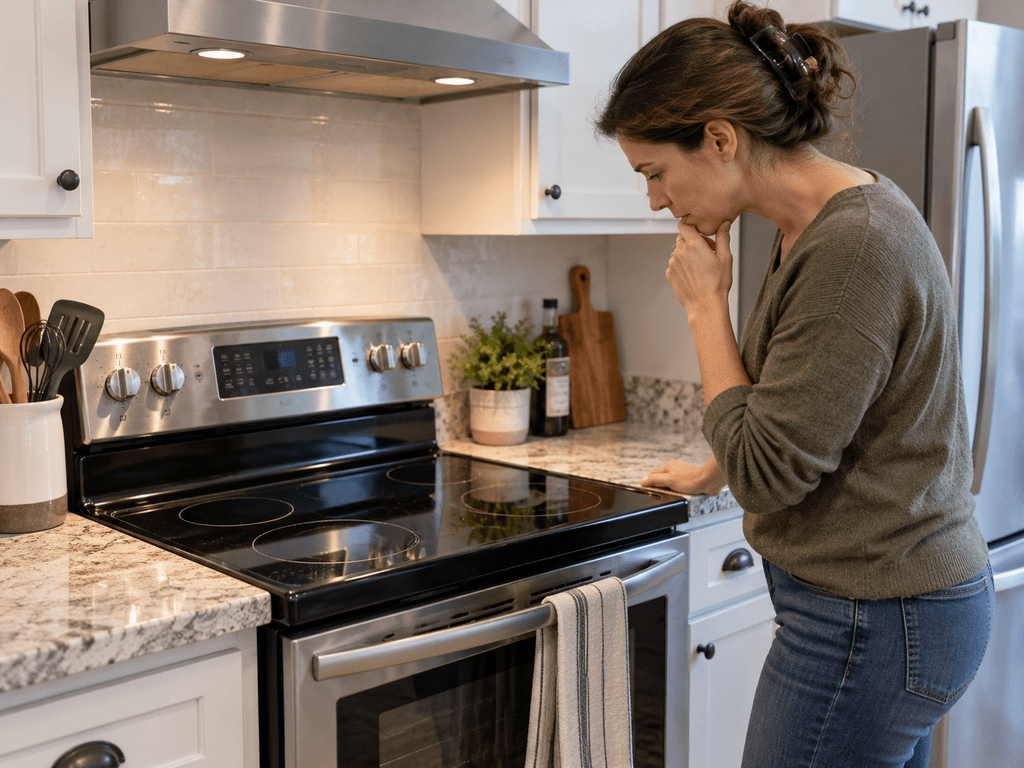
For electric cooking appliances, watch for elements that spark, visibly arc, or heat unpredictably. A surface element that will not turn off even after the control is set to the off position should not be left energized. Shut power off at the appropriate disconnect or breaker if it can be done safely and arrange range repair. Repeated breaker trips, hot electrical connections, or burning-plastic odors are also reasons to stop using the appliance.
Gas cooking equipment requires even faster judgment. If you smell unburned gas, do not keep clicking the igniter to “see if it catches.” Avoid creating sparks or operating electrical switches, leave the area when necessary, and contact the appropriate gas utility or emergency service. That is a safety response first and an appliance repair problem second.
Uneven baking, a weak burner, a broken interior light, or a door hinge issue can often wait if the appliance can otherwise be operated safely. The urgency changes when controls fail, temperatures run away, ignition becomes unreliable, or flames behave abnormally.
Older Cleveland kitchens can complicate diagnosis because the surrounding electrical or gas connection may be as important as the appliance. A repair technician may determine that the machine is fine while the supply connection needs attention from another qualified professional.
A good rule is to ask, “Can I safely leave this appliance completely off until it is repaired?” If yes, schedule service and avoid using it. If the appliance cannot be shut down, is leaking gas, sparking, or producing smoke, move directly into safety-response mode.
Appliances make noise. Refrigerators hum, washers slosh, dishwashers pump, dryers tumble, and freezers click as components start and stop. The noise itself is not the warning sign. The warning sign is a sudden change in the appliance’s normal sound, especially when that change is loud, metallic, repetitive, or accompanied by heat, vibration, poor performance, or an electrical smell.
A washing machine that suddenly develops a deep roaring sound during spin may have a bearing or mechanical problem. A dryer that begins scraping can indicate a worn support component, damaged drum area, or foreign object. A refrigerator fan that starts rattling may be contacting ice or debris. A dishwasher that produces a harsh grinding sound could have something caught near a pump or moving assembly. These noises do not all mean the appliance is about to fail catastrophically, but they are telling you that something is operating differently from the way it was designed.
The safest response depends on severity. A mild new rattle that disappears when a loose pan is moved away from the appliance is not an emergency. A violent banging sound that causes the machine to move across the floor is. A fan that lightly ticks may allow time for scheduled service, while a motor producing loud electrical buzzing and a burning odor should be shut down immediately.
Do not repeatedly restart a machine because the noise went away after the first attempt. Intermittent symptoms can be especially important. A failing motor or compressor may operate normally after several failed starts, and a loose component may make noise only at a particular speed.
Sound is valuable diagnostic information, so pay attention to when it occurs. Does the noise happen during filling, draining, spinning, heating, or compressor startup? That description can help a technician narrow down the problem quickly. Refrigerator-specific sounds and their possible significance are covered in more detail in Why Is My Refrigerator Making Strange Noises?.
If a new sound is accompanied by heat, smoke, leaks, electrical trips, severe vibration, or loss of normal function, stop using the appliance. One unusual noise may be harmless. A noise plus another warning sign is a very different story.
Not every appliance problem needs same-day service, and knowing that matters too. Calling urgently for every squeak, cosmetic defect, or minor performance change can create unnecessary expense and stress. If the appliance can be safely turned off, is not leaking, is not overheating, is not producing electrical or gas odors, and is not creating an immediate food-safety or property-damage risk, scheduling a regular repair appointment is often reasonable.
Take a dishwasher with a broken rack wheel. It is annoying, but it is unlikely to damage your house if you stop using the affected rack or wait for service. A refrigerator interior light that does not come on may be inconvenient while the cooling system continues working normally. An oven with a damaged knob that can no longer be used safely should remain off, but the repair may not require emergency response if there is no active heat or electrical problem. A dryer that squeaks mildly yet maintains normal temperature and airflow may allow time for a scheduled inspection, though the noise should not be ignored indefinitely.
The important part is separating low urgency from permission to keep using the appliance. Sometimes a repair can wait only because you have stopped using the machine. For example, a dishwasher with a small leak may not require middle-of-the-night service if the water supply is shut off and the floor is dry. That does not mean you should run it tomorrow morning.
Food storage changes the equation. Refrigerator and freezer problems become time-sensitive because the contents can spoil, even when the mechanical failure itself poses no immediate physical danger. If you have another safe place to store the food, the urgency may drop.
Cosmetic problems are generally the least urgent: scratched panels, broken trim, faded labels, or handles that are loose but still secure may wait. Performance issues such as longer cycle times, unusual noise, or inconsistent temperature should be scheduled sooner because they can develop into larger failures.
“Can wait” should mean the situation is stable—not that you are hoping the problem will disappear.
Once you have decided an appliance needs prompt attention, there are several things you can do before service begins that make the situation safer and the diagnosis easier. Start by stopping the condition that can create additional damage. Turn the appliance off when appropriate. Shut off the water supply if it is leaking. Disconnect electrical power if there is a burning smell or electrical concern and doing so is safe. For gas odor, follow emergency and utility safety procedures rather than remaining inside troubleshooting the appliance.
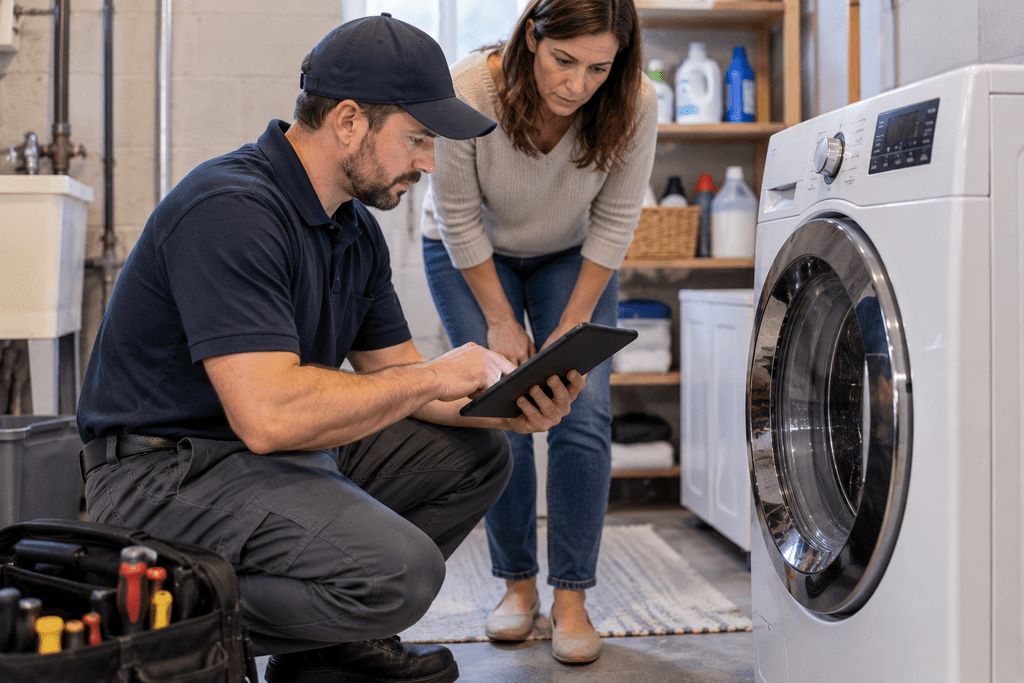
Next, protect the surrounding area. Wipe up standing water so it cannot continue moving into flooring or cabinetry, but do not dismantle the appliance looking for the leak. If a refrigerator is losing temperature, keep the doors closed and arrange safe cold storage for high-risk food if necessary. If a freezer is failing, avoid opening it repeatedly; the frozen contents themselves will help preserve the cold.
Write down what happened while the details are fresh. What was the appliance doing when the problem appeared? Did the issue begin during fill, drain, spin, heating, or startup? Did you hear clicking, grinding, or buzzing? Was there an error display? Did a breaker trip? Did water appear from the front, back, or underneath? Those observations can save diagnostic time because intermittent problems sometimes disappear by the time a technician arrives.
Do not clean away useful evidence completely. Obviously remove hazardous standing water, but a photo of where the leak appeared or a short recording of an unusual noise can be extremely helpful. Avoid repeatedly operating the machine just to reproduce the symptom unless a qualified person tells you it is safe.
Clear access around the appliance. Move laundry baskets, trash cans, chairs, storage boxes, or anything else that prevents safe access to the front, sides, or utility connections.
Most importantly, do not attempt internal electrical, gas, or sealed-system repairs simply because service is on the way. Your job before same-day repair is to stabilize the situation and preserve information, not turn one problem into two. For additional homeowner-safe steps before scheduling service, see what to check before calling for appliance repair in Cleveland.
Same-day repair is valuable when you genuinely need it, but the best emergency is the one that never develops. Most appliances provide warning signs before complete failure. The challenge is that those signals are easy to ignore while the machine continues doing its job. A dryer takes a little longer. A refrigerator runs more often. A dishwasher leaves a small amount of water behind. A washer develops a new vibration. Preventive maintenance is essentially the habit of treating those changes as useful information instead of background noise.
Start with simple cleaning. Dryer lint filters should be cleaned consistently, while the broader vent system needs periodic attention because a clean lint screen does not guarantee clear exhaust airflow. Refrigerator ventilation areas should remain reasonably free of dust and blocked airflow. Dishwasher filters and accessible spray areas benefit from regular cleaning. Washing-machine hoses should be checked for cracking, bulging, rust at connections, and seepage.
Watch performance as carefully as appearance. If the refrigerator temperature begins creeping upward, investigate before food becomes warm. If the dryer suddenly needs two cycles, check airflow rather than accepting the new routine. If a dishwasher starts draining slowly, address the filter or drain path before water eventually backs up onto the floor.
Appliance thermometers are especially useful for refrigeration because they replace guesswork with a measurable number. Water-leak checks around dishwashers, washing machines, and refrigerator supply lines can also reveal problems before the flooring does.
Cleveland homes with basements deserve a little extra attention to moisture and venting. Laundry appliances placed below grade may operate in humid spaces, and dryer vents may have long routes to the exterior. Older floors can also contribute to washer vibration or refrigerator leveling issues. These local conditions are covered in more detail in how Cleveland weather affects garage and basement appliances.
Preventive maintenance cannot stop a motor from eventually wearing out or guarantee that an electronic component will never fail. What it can do is reduce avoidable stress and expose problems earlier, while you still have time to schedule repair instead of discovering the failure during dinner, laundry day, or the hottest afternoon of the summer. For more preventive guidance, see appliance maintenance in Cleveland.
The phrase same-day appliance repair in Cleveland should not automatically mean panic, and it should not automatically mean convenience either. The real question is whether waiting creates additional risk. If an appliance is leaking water, overheating, producing a burning smell, repeatedly tripping a breaker, sparking, losing critical refrigeration, making violent mechanical noises, or behaving in a way that could damage the home, the safest and often least expensive decision is to stop using it and arrange prompt attention.
Some problems are less urgent. A broken refrigerator light, cosmetic damage, a mildly noisy component, or a dishwasher that simply cleans less effectively may allow time for scheduled service. The key is making sure the situation is genuinely stable. If the appliance is unsafe to operate, “it can wait” means leaving it turned off—not continuing to use it until the appointment.
Cleveland homeowners should also remember that the appliance itself is not always the entire story. Older electrical systems, plumbing, drains, floors, basement conditions, and long ventilation routes can contribute to symptoms. A dryer may overheat because airflow is restricted. A dishwasher may struggle because drainage is poor. A washer may shake because the floor is uneven. Good diagnosis looks at both the machine and the environment around it.
When a problem appears, pay attention to what changed. Note the time, smell, sound, leak location, temperature, or cycle stage. Shut down the source of water or power when appropriate and safe. Preserve refrigerated food if cooling has failed. Then let a qualified professional determine the underlying cause.
Appliances rarely become less expensive to repair because they were allowed to keep failing for another week. The right time to act is when the warning sign moves from inconvenience to risk. Knowing that line is what keeps same-day repair from being an unnecessary expense—and turns it into a practical way to protect your home, your food, and your safety. When the problem requires professional attention, homeowners can learn more about appliance repair in Cleveland.
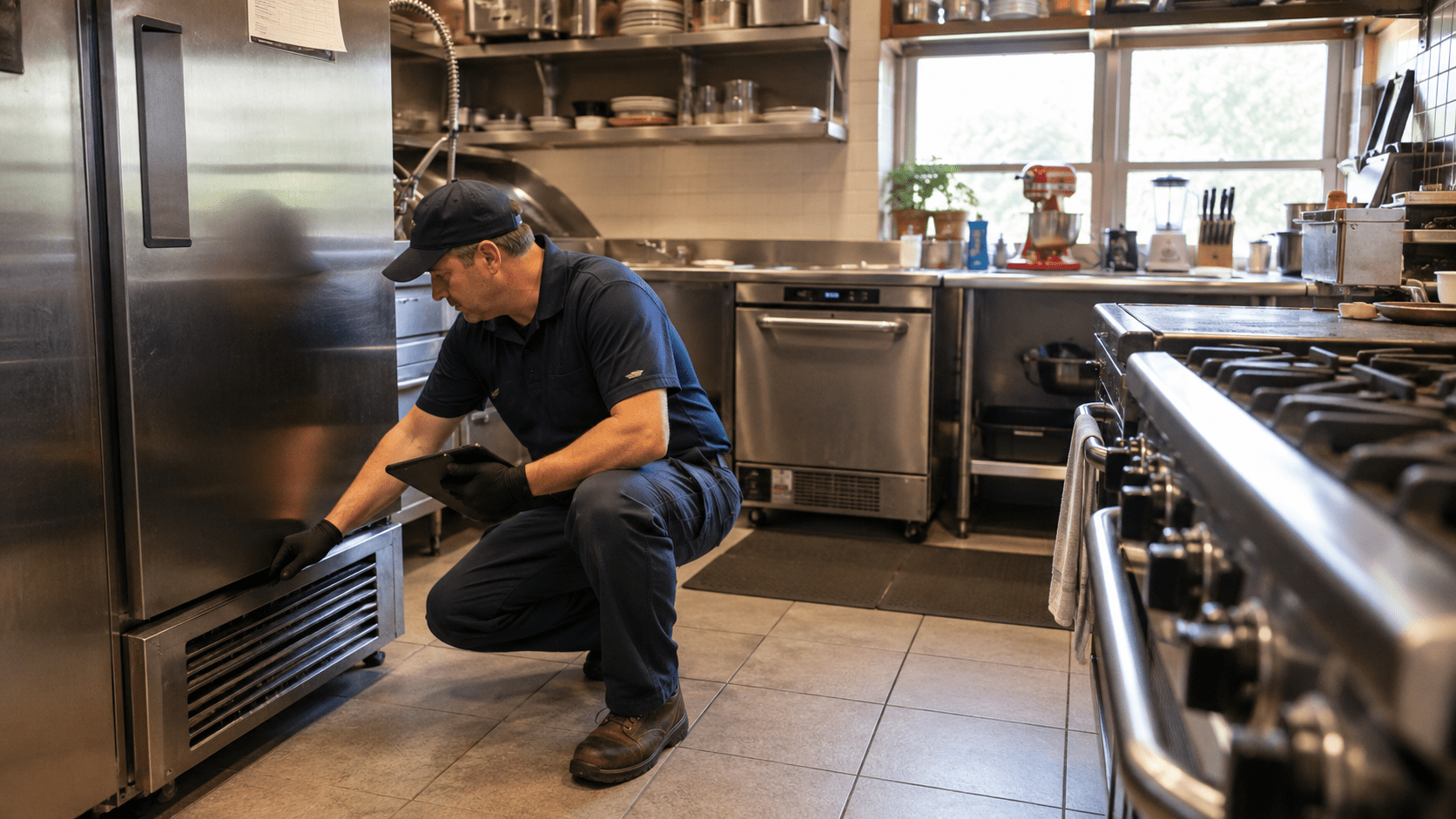
We repair a wide range of household appliances including refrigerators, washers, dryers, ovens, dishwashers, and more. No matter the brand or model, our experienced technicians are ready to help. We repair commercial appliances as well: commercial washers dryers, commercial refrigerators & freezer & more.
We service a wide range of household appliances, including refrigerators, dryers, washers, ranges, cooktops, dishwashers, freezers, ice makers, ovens, and double ovens.
Our technicians operate across many locations in Ohio, covering major cities like Cleveland, Akron, and Parma. We also serve surrounding areas including Lakewood, Westlake, Strongsville, and Brooklyn.
Our service area extends to Rocky River, Euclid, Solon, Beachwood, and Cleveland Heights, as well as counties such as Cuyahoga, Lorain, Lake, and Medina.
Additional cities we cover include North Olmsted, North Ridgeville, Valley City, Lorain, Avon Lake, Richfield, Brecksville, Garfield Heights, Seven Hills, Brunswick, Oakwood, Mentor, and Willoughby.