In this article
A refrigerator nobody opens keeps food safe for about 4 hours without power, according to the FDA. A full freezer holds its temperature for roughly 48 hours, and a half full one for about 24, as long as nobody opens the door. Past those limits, a thermometer reading decides what you keep.
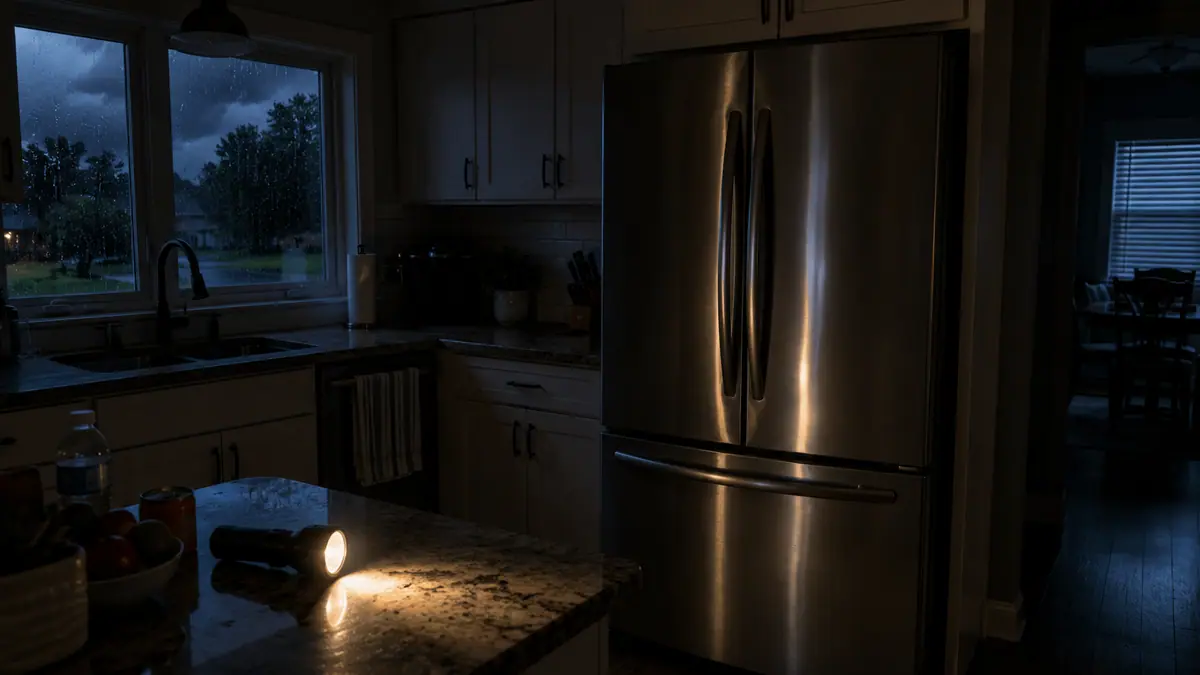
The first hour of an outage
Write down the time the lights went out. Sounds silly. It's the one number you'll need later, and nobody remembers it after a long night with candles.
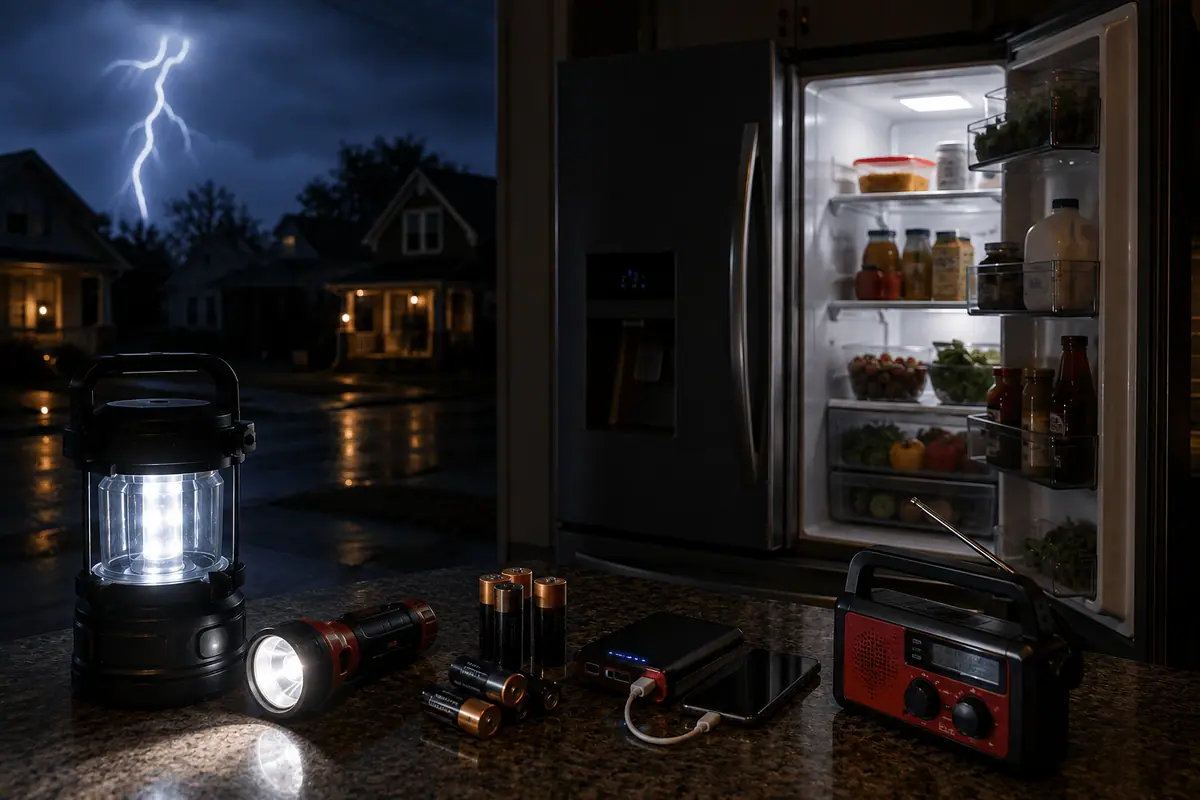
Then leave both doors alone. Every peek lets cold air spill out the bottom while warm kitchen air rolls in at the top. Want a drink? Grab it from the pantry. If the utility is talking about hours rather than minutes, decide right away where the food will go. That way you open the fridge once, on purpose.
How long the fridge side stays safe
Four hours is the FDA figure for an unopened fridge. It assumes the fridge was at 40°F or colder when the power dropped. That's why a thermometer on the middle shelf pays off before a storm, not during one.
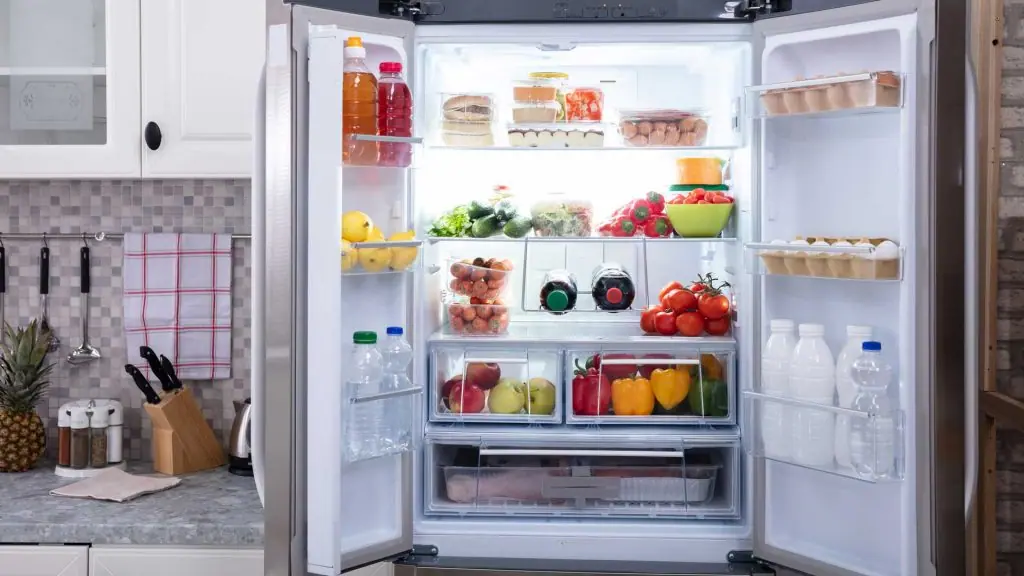
Once the fridge has sat above 40°F for 4 hours or more, perishables have to go. Raw and cooked meat count. So do poultry and fish. Eggs and leftovers belong on that list too, and so does milk. The FDA adds one softer line. Food that is still at 45°F or below should be safe, but cook it and eat it soon.
Don't trust your nose here. Spoiled food and dangerous food aren't the same thing, and the bacteria that make people sick don't smell. When you can't tell, throw it out. It hurts less than a week of being sick.
How long a freezer holds cold
A packed freezer behaves like one big ice block. Frozen packages keep their neighbors cold, so a full one lasts about 48 hours with the door shut. Half full cuts that to roughly 24.
If you must open it once, push everything together toward the back. Food grouped in a pile stays cold longer than packages spread across shelves.
For a really long outage, dry ice helps. The FDA says 50 pounds should keep a fully stocked 18 cubic foot freezer cold for two days. Wear gloves when you handle it, and keep the room aired out.
Moving food into coolers
When the power company says more than 4 hours, move the perishables before that deadline, not after it. A cooler packed with ice buys real time for the milk and the meat. Leftovers go in with them, along with anything else that spoils first.
Frozen jugs of water make good ice, and later they're drinking water. Drop a thermometer in the cooler as well. A cooler that crept above 40°F has the same problem as a warm fridge, it just looks more organized.
Sorting the food once power comes back
Start with the freezer. Thawed food can go back in when you still see ice crystals in it, or the thermometer shows 40°F or less. The texture may suffer. It's still safe. Anything that sat warmer than 40°F for more than 2 hours goes in the trash, and ice cream doesn't get a second chance either way.
Then the fridge. Read the thermometer and compare it with the time you wrote down. Food that stayed cold inside the 4 hour window can stay. Perishables past that line come out, however good they look.
Wipe the empty shelves before you restock. Leave the thermometer in place for a day and watch the fridge pull back down to temperature. After a long warm spell it takes hours to get there, so don't judge it in the first ten minutes.
Getting ready before storm season
Summer thunderstorms knock out power to homes across Cleveland, and winter ice does the same. A little prep makes the next outage a lot calmer.
Hang an appliance thermometer in the fridge and another in the freezer. Aim for 40°F or colder on the fridge side and 0°F in the freezer. Keep a few containers of water frozen in any empty freezer space, since they hold cold and fill gaps. And know where the coolers are before you need them, not at midnight with a flashlight in your teeth.
If the fridge won't cool after the outage
Sometimes the food is fine and the fridge isn't. Power comes back and the light turns on. The shelves just never get cold again. Restarting the machine itself is a separate job, and our guide to appliances that stop working after an outage walks through the breaker and reset checks.
Shelves warm by breakfast the next day? Book a visit through our refrigerator repair page or call (216) 352-3935. The technician names the price first. If it's a chest freezer full of meat that won't freeze, our freezer repair technicians handle those as well.
Questions people ask
How long does food last in the fridge without power?
About 4 hours if the door stays shut, according to the FDA. After the fridge has been above 40°F for 4 hours or more, perishable food such as meat and leftovers should be thrown out.
How long will a freezer keep food frozen without power?
A full freezer holds its temperature for about 48 hours with the door shut. A half full freezer lasts about 24 hours. Grouping the packages together helps them stay cold longer.
Can I refreeze food that thawed during a power outage?
Yes, as long as ice crystals remain or it measures 40°F or colder. The quality may drop, but it is safe. Food that was warmer than 40°F for more than 2 hours should be discarded.
What food should I throw out after a power outage?
Perishables like meat or leftovers that sat above 40°F for 4 hours or more. Don't judge by smell or appearance. When in doubt, throw it out.
What if I do not know how long the power was out?
Go by temperature. Food that is still at 40°F or below is safe, and the FDA says food at 45°F or below should be cooked and eaten soon. With no thermometer reading at all, discard the perishables.
Should I open the fridge to check on the food?
Only once if you have to, and only to move food into coolers or group the freezer packages. Every opening shortens the time the food stays safe.
Why is my fridge still warm after the power came back?
It may simply need several hours to cool down. Still warm the next day? Then a breaker or a failed part is the likely reason. Our article on appliances after an outage covers the checks.