In this article
Short version for Ohio. If the landlord supplied the appliance, keeping it working is on the landlord. Ohio Revised Code 5321.04 spells that out. The tenant pays when they broke it, or when a written lease specifically hands them the upkeep.
We're appliance technicians, not lawyers. This is general information, not legal advice. If it turns into a real fight, talk to an attorney or Cleveland Housing Court.
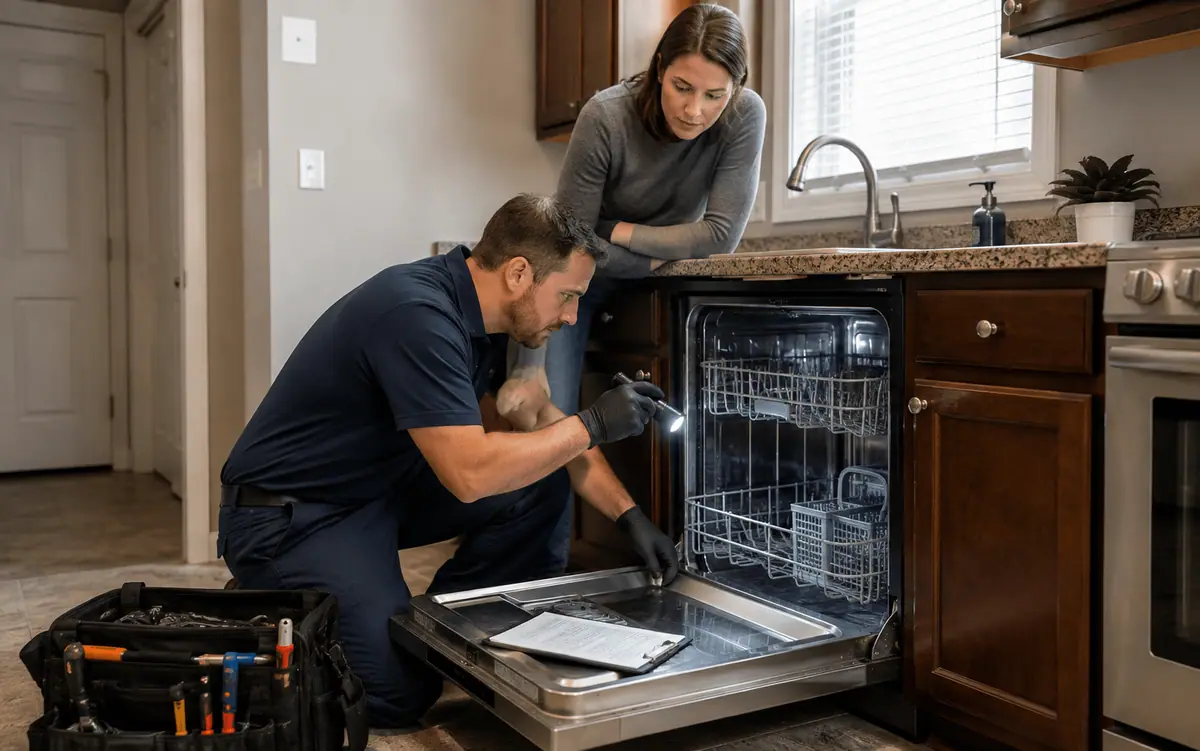
What Ohio law says about appliances
Section 5321.04 is the landlord's list. One line on it says supplied appliances have to be kept in good and safe working order, and that covers ones the landlord is required to supply as well. So the fridge and stove that came with the apartment count. A basement washer the lease mentions counts too.
That same section makes the landlord keep the unit fit and habitable, with running water and reasonable heat. Which is why a dead furnace in January is a whole different level of urgent compared to a dishwasher that drains a little slow.
When the tenant pays
Tenant duties live in section 5321.05. You can't damage or remove the landlord's fixtures and appliances, whether you meant to or just weren't careful. Your guests can't either, and keeping them in line is on you. Say a rug got jammed in the washer and wrecked it, or the moving dolly tore the fridge gasket. That bill can land on the tenant.
Then there's the lease route. A written rental agreement can put a supplied appliance's upkeep on the tenant, and the statute names the usual kitchen and laundry machines outright. It has to actually be in writing though. Lease says nothing? The general rule points back at the landlord.
Your own stuff is your own problem, and that surprises some renters who assume anything plugged into the unit belongs to the building. Bought a washer and hooked it up yourself? The landlord doesn't owe you a repair. And if it leaks through the floor, that damage can come back to you.
Where it gets murky
It nearly always comes down to why the thing failed. Compressor quits after years of normal use, that's wear, landlord's side. A dryer that cooked itself because the lint screen was never once cleaned is harder. Even more so if nobody ever told the tenant to clean it.
Leftover appliances from the last tenant are a classic headache. If the new tenant gets to use it, fine. Just write down who owns it and who fixes it. Shared laundry in a building is murky too. Five households share one washer and a coin ends up in the pump. Good luck proving whose coin.
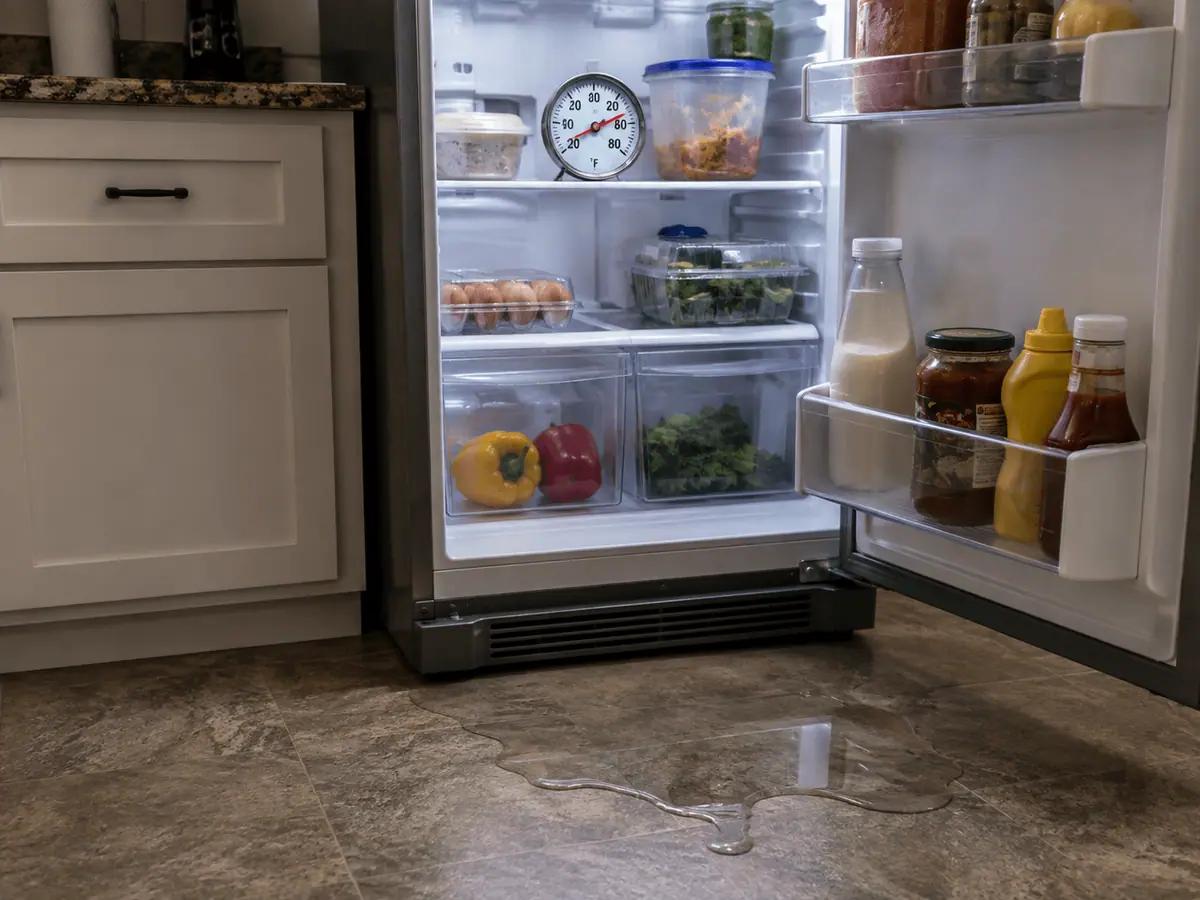
What tenants should do when something breaks
Put it in writing so there's a date on it. Email's fine. The property portal works too. Several of the tenant's options under Ohio law hinge on written notice, including putting rent with the court under section 5321.07. That process has strings attached, so read up before you count on it.
Snap photos or a quick video. Get the error code on the screen, the puddle, whatever shows the problem. If food's at stake, jot down the fridge temperature. Then let the landlord pick who comes out. Call your own repair guy without their OK and you may end up holding the invoice.
Water spreading across the floor? Shut the valve first, worry about the email later. Burning smell, unplug it if the plug's safe to reach, then call.
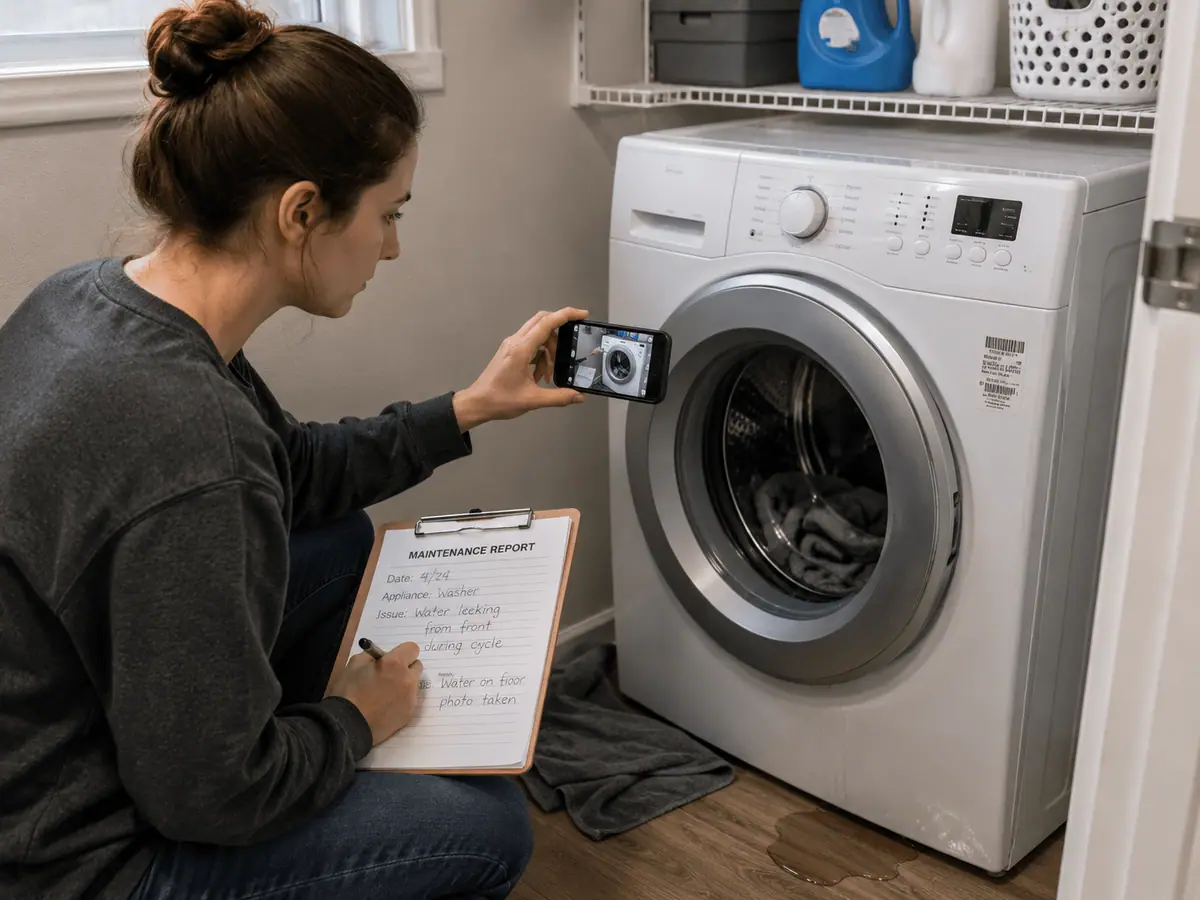
How landlords can cut repair costs between tenants
Turnover is your cheap window. Unit's empty, so run every appliance through a whole cycle. Vacuum the fridge coils. Clear the dryer vent. Then look the washer hoses over for bulges and peek under the dishwasher for old drips. Take pictures for the move in file while you're there.
Next, write the tenant's little jobs into the lease in plain English. Clean the lint screen, rinse the dishwasher filter. Say how to report a problem. Sorting wear from damage later gets a lot easier.
And when you do bill a tenant, go off what the technician actually found. A written diagnosis with photos beats a hunch every time. If it's just old age, eat it as upkeep. Charging somebody for worn out bearings mostly sours the next renewal. Our appliance maintenance guide has the routine stuff appliance by appliance.
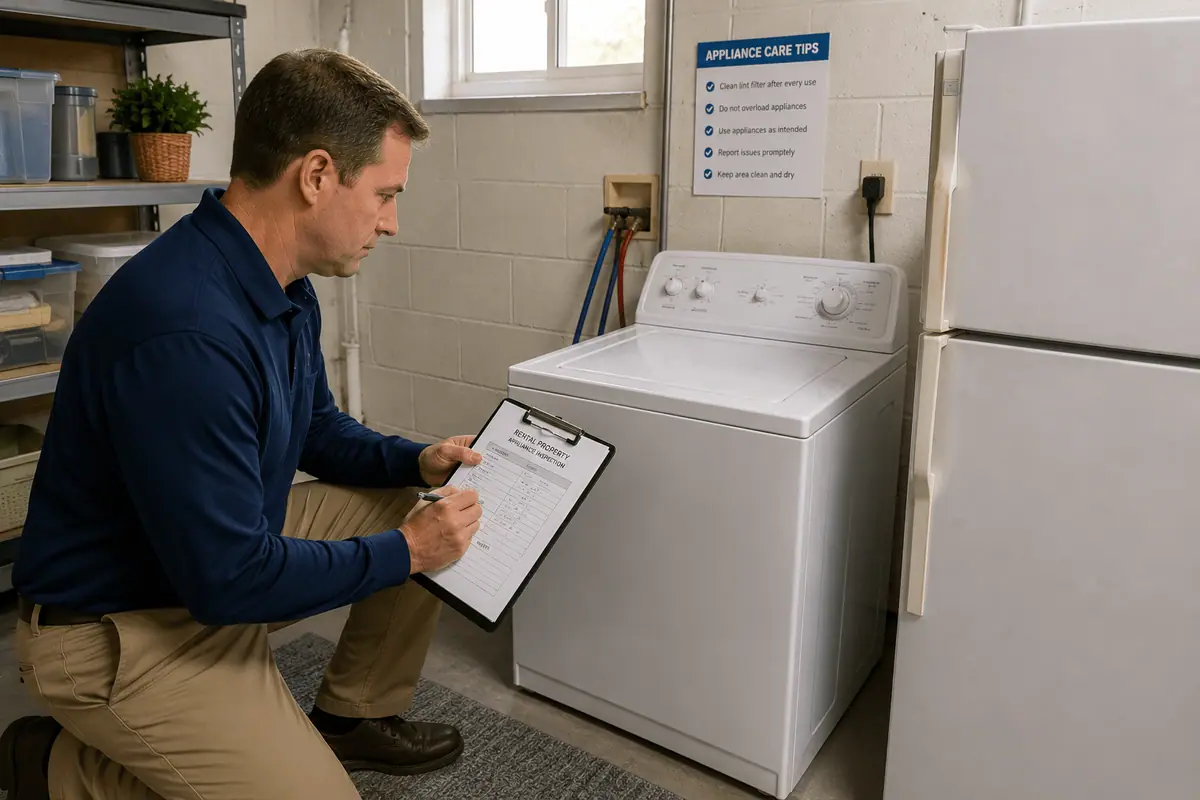
Rental appliance repair in Cleveland
We work for landlords and property managers around Parma and across Cleveland, and for tenants too once the landlord says go. The tech writes down what broke and why, which really helps when the argument is about who pays. You get the price first and a 90-day warranty after. Call (216) 352-3935, or start from our washer repair page.
Questions people ask
Is a landlord responsible for appliance repairs in Ohio?
Yes, for appliances the landlord supplied. Ohio Revised Code 5321.04 requires the landlord to keep them in good and safe working order. Exceptions are damage the tenant caused and upkeep a written lease gives to the tenant.
Do landlords have to repair appliances that were not in the lease?
If the landlord supplied the appliance, the duty applies even when the lease doesn't mention it. Appliances the tenant owns are the tenant's to repair.
Who pays for appliance repair, landlord or tenant?
Normal wear is the landlord's cost. Damage caused by the tenant or their guests is the tenant's. A written lease can also give the tenant routine upkeep of a supplied appliance.
Can a tenant fix the appliance and take it out of the rent?
Don't assume so. Hiring a repair on your own can leave you paying for it. Ohio's remedies start with written notice and come with conditions. Depositing rent with the court is one of them, so check the rules first.
Does the landlord have to replace an old appliance?
The law asks that supplied appliances work safely. Whether the landlord repairs or replaces is usually the landlord's choice, as long as it works.
Who pays for food lost when a rental fridge breaks?
That depends on the lease and on what caused the failure, and renter's insurance may play a part, so it isn't automatic. Photograph the temperatures and the food, and our article on food loss in an outage explains what to keep.