In this article
- Why a warm kitchen makes the fridge work harder
- Signs your fridge is losing to the heat
- Humid air, sweating and water
- Ice makers and freezers in July
- The second fridge in the garage
- Summer fridge tips that actually help
- When it is more than the weather
- Summer refrigerator repair in Parma
- Questions people ask
Yes, hot weather affects a refrigerator. Everything it pulls out of your food gets pushed out into the kitchen, and the hotter the kitchen is, the longer the fridge has to run to do that. A healthy fridge handles a hot July fine. The one with dusty coils or a tired fan tends to be the one that quits in the first heat wave.
Why a warm kitchen makes the fridge work harder
A fridge doesn't really make cold. It moves heat. The compressor pumps refrigerant through coils at the bottom or the back, and those coils let the heat out into your kitchen. In a cool room that's quick. In a sticky room where you want the AC on, it's slow, so the compressor stays on longer to keep up.
Summer piles on from the inside as well. Kids keep opening the door for cold drinks. Each time the cold air falls out and sticky kitchen air takes its place. Groceries come in warm from a hot car. A fridge in good shape shrugs all that off. It just has less room to spare, so a small weakness nobody noticed in April suddenly shows.
Signs your fridge is losing to the heat
Usually you notice the temperature first. The soda isn't as cold, and the butter on the door is soft. Put a fridge thermometer on a middle shelf and read it a few times over two or three days. The FDA's targets are 40°F or colder in the fresh food section and 0°F in the freezer.
Then the running. Some extra motor time on a hot afternoon is expected. A fridge that never seems to rest and still reads above 40°F is another story, and we go through the usual causes in why a refrigerator runs constantly.
Ice can slow down too. The ice maker needs a cold freezer, so soft ice cream and a half empty ice bin tend to show up together.
Humid air, sweating and water
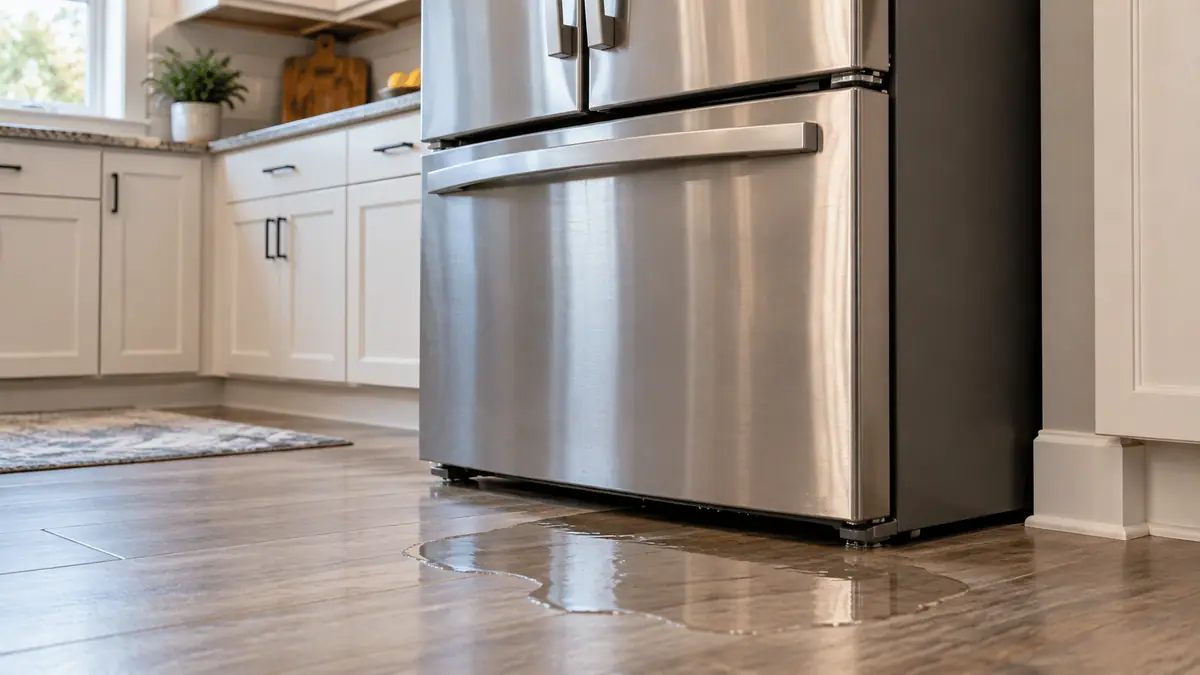
Cleveland summers are muggy, and that damp air gets into the fridge every time the door opens. In the freezer it turns to frost. On the coil it turns to water that the defrost cycle has to drain away. If the drain is partly clogged, you'll find water under the crisper drawers or on the floor. Our article on a refrigerator leaking water walks through where it comes from.
You might also see beads of water on the outside of the doors, or on the strip between them. A little of that on a sticky day can be normal. A lot of it, or sweat in one spot only, usually means the gasket isn't sealing there. Some models have a setting that warms the door edges to stop it, so it's worth a look in your manual.
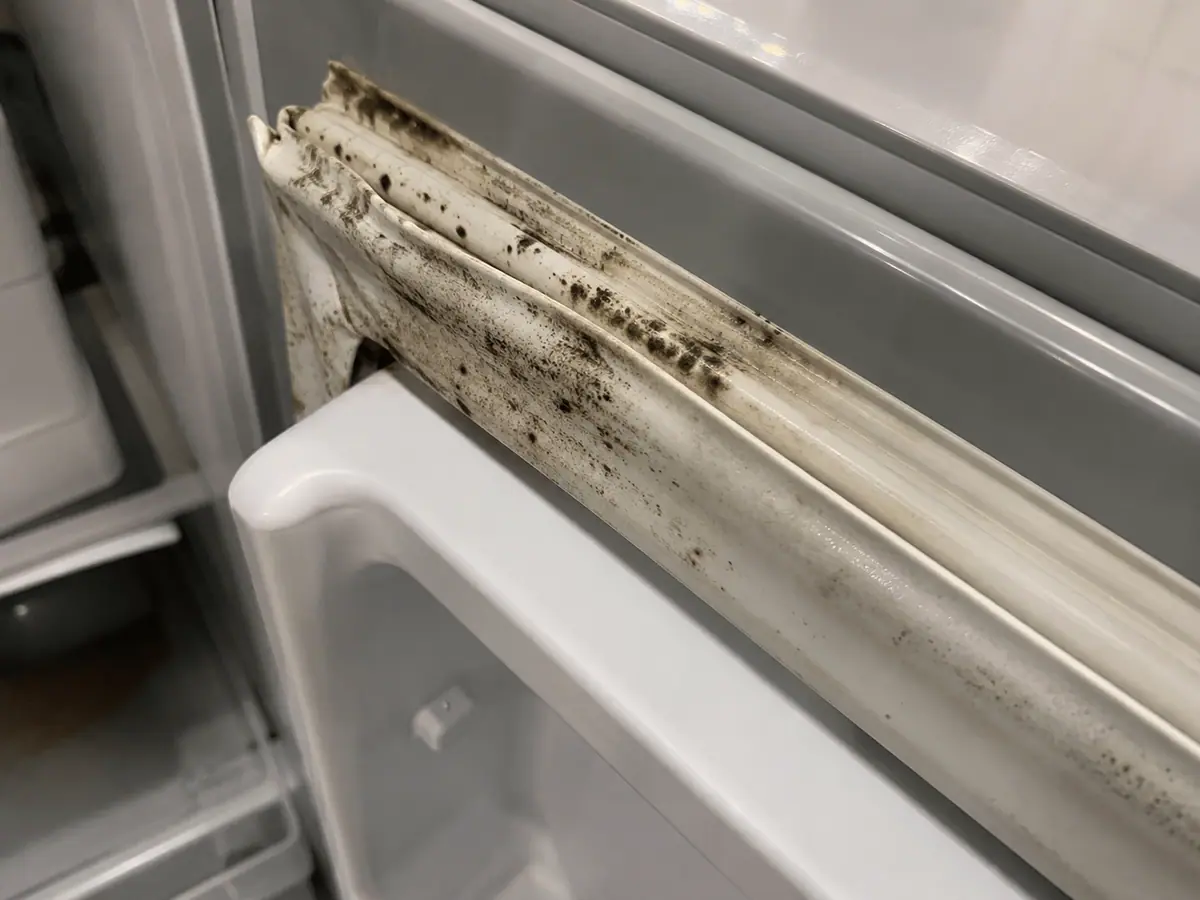
Humidity is rough on gaskets too. Mold loves the folds of a door seal, and a grimy seal doesn't close well. Wipe the folds with warm soapy water and dry them off.
Ice makers and freezers in July
Ice goes fast in summer. The ice maker won't start a new batch until the freezer is cold enough and the bin has room, so on a hot Sunday with the whole family over it simply falls behind. That's demand, not a broken part. Now, if the bin is still half empty the next morning after a quiet night, check how cold the freezer is.
Every trip to the freezer for an ice pop lets damp air in, and it ends up as frost on the coil. Having people over? Grab a bag of ice from the store and let the freezer stay shut.
The second fridge in the garage
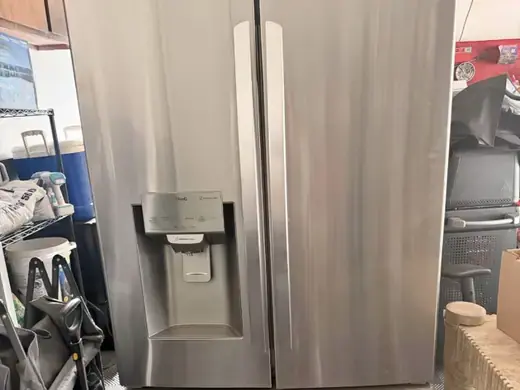
That old fridge in the garage has the worst summer of anybody. You know the one, full of beer and extra hot dogs. A closed garage in July gets a lot hotter than your kitchen and stays hot after dark. Plenty of standard models weren't built for that. Your owner's manual should say what room temperatures yours is rated for, and it's worth a look.
If it has to live out there, keep the sun off it and pull it away from the wall. Boxes stacked against the sides don't help either. Clean its coils in spring, same as the kitchen one. And when a heat wave hits, move the meat and the milk inside.
Summer fridge tips that actually help
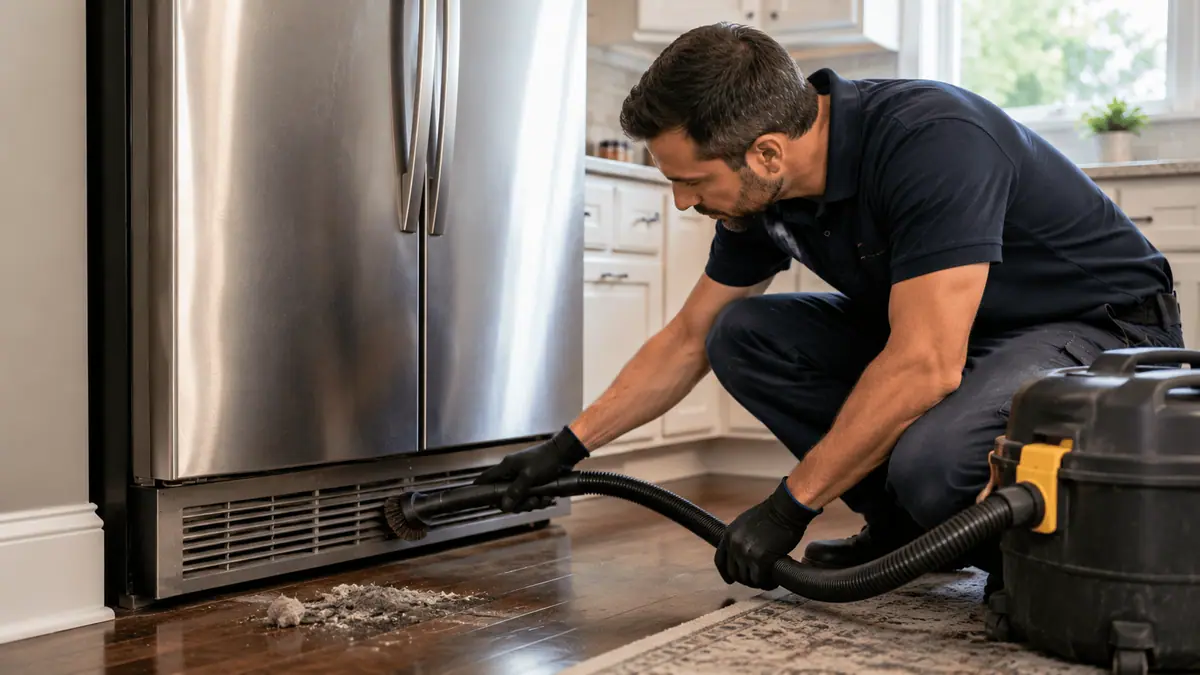
If you do one thing before summer, clean the condenser coils. Newer fridges mostly hide them underneath behind the bottom grille, older ones on the back. Unplug it, then a coil brush and the vacuum do the job in a few minutes. We pull a lot of dust out of fridges that started struggling in the first hot week.
Let it breathe. A fridge jammed into a tight alcove can't get rid of its heat, so slide it out a bit if you can and keep the top clear. Sun hitting it through a window all afternoon? Close the blinds.
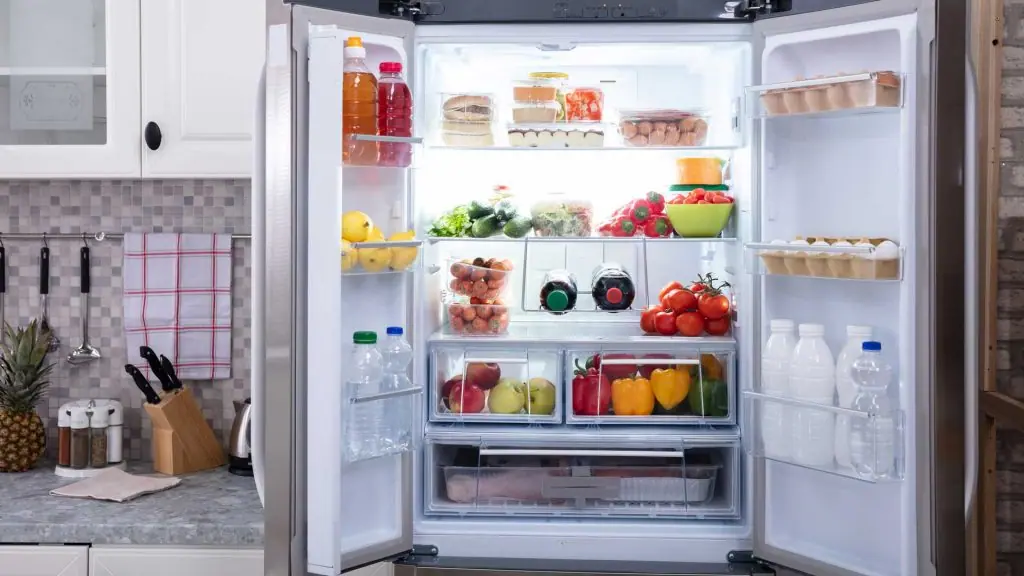
Inside, leave the vents on the back wall alone. No containers pushed up against them. When you unpack groceries, load the cold stuff and shut the door. Don't stand there with it wide open.
When it is more than the weather
Heat makes a fridge work longer. It shouldn't make a healthy one warm. If the thermometer stays above 40°F after you've cleaned the coils and cleared the vents, a part is probably failing. A worn condenser fan or a weak start relay often shows itself on the first really hot days.
A click at the back with no cooling needs a call that same day. So does a fridge that shuts off and won't start again. Smell something burning? Unplug it first, then call.
Summer refrigerator repair in Parma
Reach out early in the day if you can, since a morning call gives the best chance of a visit that afternoon. We check the fans and the coils first. You get the price before the work starts, and our repairs are guaranteed for 90 days. Ring (216) 352-3935 or use the booking form on our refrigerator repair page. Our Cleveland page lists the neighborhoods and ZIP codes we drive to.
Questions people ask
Does hot weather affect a refrigerator?
Yes. A fridge gives its heat off into the room, so a hot kitchen makes it run longer to stay cold. A fridge in good shape still holds 40°F. One with dirty coils or a weak fan may not.
Why does my fridge stop cooling well in summer?
Usually the condenser can't shed heat fast enough. Dusty coils are the common reason. A fridge squeezed into a tight space or a slow condenser fan does the same. Clean the coils and give it room. If it's still warm, call a technician.
Is it normal for my fridge to run more in hot weather?
Yes, longer run times on hot days are expected. It becomes a problem when the fridge runs nonstop and the thermometer still reads above 40°F.
Can a refrigerator in a hot garage break down?
A garage fridge works much harder in summer, and many standard models are not designed for very hot rooms. Check the temperature range in your manual and keep it shaded with room to breathe.
Why is my fridge sweating on the outside in summer?
Humid air condenses on surfaces that are cooler than the room. A little is normal on muggy days. Heavy sweating, or sweat in one spot, often means the door gasket isn't sealing there.
What summer fridge setting should I use?
Keep the fridge at 40°F or colder and the freezer at 0°F, checked with a thermometer. You rarely need to turn the dial colder in summer. Cleaning the coils helps more.