Should You Repair or Replace an Appliance?
Published: August 6, 2026
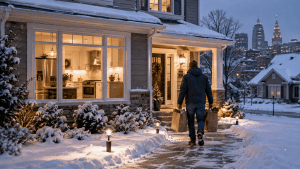
A Cleveland winter does not politely arrive, hang up its coat, and wait for you to get organized. It can move in overnight with freezing temperatures, lake-effect snow, icy wind, slush, and the kind of damp cold that seems to find every weak spot in a house. You might be thinking about the furnace, roof, gutters, and snow blower, but your household appliances deserve a place on the winter-preparation list too. Refrigerators, washing machines, dryers, dishwashers, freezers, ranges, and outdoor equipment all respond differently when temperatures drop and indoor conditions change.
The most vulnerable appliances are not always the ones sitting outside. A washing machine in a cold basement can develop frozen supply or drain lines. A freezer in an unheated garage may stop cycling correctly because the room becomes colder than the appliance was designed to handle. A dryer can overheat when snow, ice, or packed lint blocks the exterior vent. Even a kitchen refrigerator can struggle when holiday groceries block airflow or when power flickers during a storm.
Winter also changes the way a household uses appliances. Families cook more meals indoors, wash heavier clothing and blankets, run dryers more often, and open refrigerators repeatedly during holiday gatherings. That extra workload arrives at the same time that cold air, dry indoor heat, condensation, and unstable weather are creating new operating challenges. It is like asking your appliances to work overtime while moving the finish line farther away.
Preparing them does not require tearing apart every machine or buying expensive equipment. Most winter appliance protection comes down to a few practical habits: checking hoses and vents, controlling room temperature, cleaning important airflow paths, inspecting electrical connections, and knowing which appliances should never operate in freezing spaces. The goal is to catch small vulnerabilities before a deep freeze or power outage turns them into leaks, spoiled food, fire hazards, or emergency repair calls.
A little preparation in late fall can make the entire winter easier. Your appliances will operate more efficiently, you will notice developing problems sooner, and you will be far less likely to discover a frozen hose or warm freezer during the coldest night of the year.
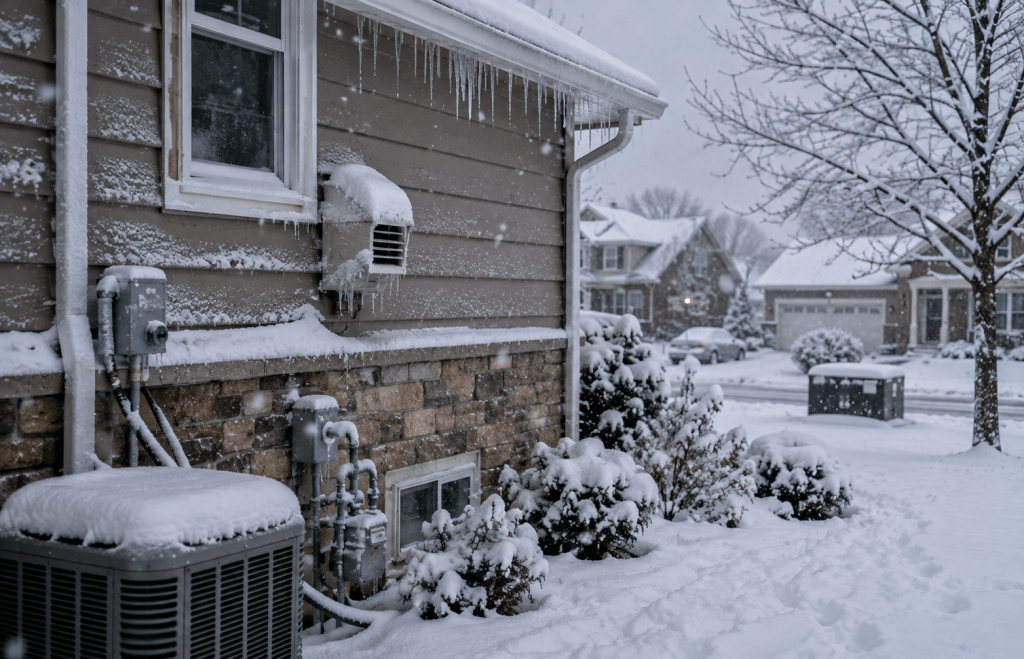
Cleveland weather creates a combination of conditions that can be rough on household equipment. Cold alone is only part of the picture. Snow melts near foundations, humid basement air meets cold surfaces, power can flicker during wind and ice events, and appliances often sit in spaces that were never designed for modern equipment. A washer in a century-old basement or a freezer placed in a detached garage may face much harsher conditions than the same appliance inside a newer, climate-controlled utility room. These conditions are especially common in older Cleveland homes, where appliance performance can be affected by the surrounding installation and utilities.
Many appliances are designed to operate within a specific ambient-temperature range. That range matters because machines depend on lubricants, sensors, electronic controls, water lines, seals, and refrigerants that behave differently when temperatures move outside normal conditions. A refrigerator in a warm kitchen may be perfectly happy, while an identical unit in a freezing garage can become unreliable. A washer may look fine while water trapped in its valve body or pump begins freezing and expanding.
Winter preparation also matters because cold-weather failures tend to create secondary damage. A cracked washer valve can flood a basement when it thaws. A blocked dryer vent can overheat the appliance and fill the laundry room with moisture. A frozen dishwasher supply line can leak behind cabinets, where the damage remains hidden until flooring begins to swell. An outdoor pressure washer can suffer a split pump housing after one freeze, even though it was working normally when stored.
Seasonal usage adds pressure. Heavy coats, blankets, wet towels, and muddy clothing create larger laundry loads. Holiday cooking keeps ovens and dishwashers running for hours. Refrigerators become packed with groceries, leftovers, and party trays. These appliances have less room for error because they are already working harder.
The smartest approach is preventive rather than reactive. Check the location, condition, and supporting systems around each appliance. Ask whether the room stays warm enough, whether water can freeze in the lines, whether air can move freely, and whether snow or ice can block an exterior vent. Those questions reveal risks before they become emergencies.
Winter preparation is not about expecting every appliance to fail. It is about removing avoidable stress. A clean vent, sound hose, stable temperature, and protected electrical supply may seem like small details, but together they create a much safer operating environment.
Cold temperatures affect more than the water inside an appliance. Rubber seals become less flexible, lubricants thicken, plastic components become more brittle, and sensors may read conditions differently. Electronic controls can also respond poorly when an appliance is moved suddenly from a very cold space into a warm one because condensation may form on circuit boards and connections.
Water-using appliances face the clearest threat. Even a small amount of trapped water can freeze, expand, and damage a valve, pump, filter housing, or hose. A washing machine that has finished draining still retains water inside internal channels. A dishwasher contains water in its pump area and drain system. A pressure washer can hold water inside its pump long after the garden hose has been disconnected. If the surrounding space drops below freezing, that hidden moisture becomes a mechanical risk.
Refrigeration appliances react in a different way. A refrigerator or freezer does not simply “work better” because the room is cold. Its thermostat and cooling design assume a certain surrounding temperature. In an unheated garage, the refrigerator section may become cold enough that the thermostat does not call for cooling. The compressor stays off, and the freezer compartment can begin warming even though the room feels cold. That surprises homeowners because it seems backward, but the machine is responding to the temperature it senses.
Motor-driven equipment can also struggle when oils and grease become thicker. A snow blower, generator, or outdoor cooking appliance stored in extreme cold may need manufacturer-approved winter preparation before use. Batteries lose available power in low temperatures, which matters for cordless yard tools, backup power equipment, and electronically controlled outdoor appliances.
Cold surfaces encourage condensation when warmer indoor air reaches them. That moisture can collect around metal panels, water lines, valves, and electrical boxes. In a basement or garage, repeated freeze-thaw cycles may create corrosion even when no dramatic leak appears.
This is why appliance location matters almost as much as appliance condition. A machine operating inside a heated kitchen faces a different winter than one sitting near a drafty basement window. The first step in winter preparation is understanding the environment each appliance experiences, not just checking whether it turns on.
Snow and ice can affect appliances without ever touching the machine itself. Exterior dryer vents, range-hood outlets, generator locations, and combustion-air openings can become blocked by drifting snow, frozen condensation, or ice buildup. When air cannot move properly, the appliance may operate inefficiently or unsafely. A dryer can still tumble and heat while moisture has nowhere to escape. A range hood can make noise without actually moving cooking vapor outdoors.
Melting snow creates another chain of problems. Boots, coats, and wet clothing raise the moisture level inside the house. Basement walls and floors may become damp as outdoor snow melts near the foundation. Humid air then reaches cold water lines, appliance panels, and windows, where it condenses. The result can be rust, mold, swollen flooring, and corrosion around electrical connections.
Dry indoor heat creates the opposite challenge in living spaces. Forced-air heating can make the kitchen and laundry area very dry, which affects certain rubber seals and static-sensitive electronics. Dry air by itself does not usually damage an appliance, but repeated temperature swings between a cold delivery truck, garage, and warm room can produce condensation inside a newly delivered machine. Plugging it in immediately may not be wise if the manufacturer recommends an acclimation period.
Ice storms and strong winds can also disturb electrical service. Power may flicker several times before failing completely, then return unevenly. Modern appliances contain control boards, inverter systems, electronic displays, and sensors that can be affected by unstable voltage. The machine may survive the outage but fail when power returns.
Snow around exterior walls deserves attention throughout the season, not just after the first storm. A dryer hood that was clear in December may become buried after repeated plowing or drifting in February. Ice can form when warm, moist exhaust air meets freezing outdoor conditions. The flap becomes stiff, airflow falls, and lint begins collecting behind it.
Winter appliance care is therefore not a one-time event. It is a routine of checking, clearing, drying, and observing. Walk around the exterior after major storms. Look for blocked vents, ice around terminations, and water entering the basement. Inside, watch for condensation, musty odors, rust, and unusual appliance behavior. Winter problems often begin quietly, and the homeowner who notices the small clues usually avoids the expensive ending.
Refrigerators and freezers work continuously, which makes winter preparation especially important. Most kitchen refrigerators remain in a comfortable indoor environment, but their workload changes during the season. Holiday food, large grocery trips, frequent door openings, warm leftovers, and crowded shelves can all increase the amount of heat the machine must remove. At the same time, winter storms can interrupt power and threaten food storage.
Begin by checking actual temperatures rather than trusting the control display. The refrigerator compartment should remain consistently cold enough for safe food storage, while the freezer should keep food fully frozen. A small appliance thermometer provides useful confirmation and helps you recognize a problem before milk warms or frozen food softens.
Clean accessible condenser areas according to the owner’s manual. Dust, pet hair, and kitchen grease reduce heat transfer, making the compressor run longer. Winter may seem like an easy season for refrigeration because the house is cooler, but a crowded kitchen, nearby oven, or enclosed cabinet can keep the surrounding area surprisingly warm.
Inspect door gaskets for tears, hardened areas, food residue, and weak contact. Holiday platters and oversized containers often prevent doors from closing completely. One slightly open door can introduce warm moisture, create frost, and force the compressor to run for hours.
Power preparation matters too. Avoid using lightweight extension cords or ordinary power strips for refrigerators and freezers. Make sure the appliance is connected as the manufacturer requires. Consider keeping frozen ice packs and a clean cooler available for outages. A fuller freezer tends to hold cold longer than an nearly empty one, so frozen water containers can fill unused space while leaving room for expansion.
The location of secondary refrigerators and freezers deserves special attention. Many Cleveland homeowners place them in basements, garages, enclosed porches, or mudrooms. Those spaces may become much colder than the kitchen. Before winter arrives, verify that the appliance is designed to operate in that environment. A model that performs perfectly in July may behave unpredictably when the room approaches freezing.
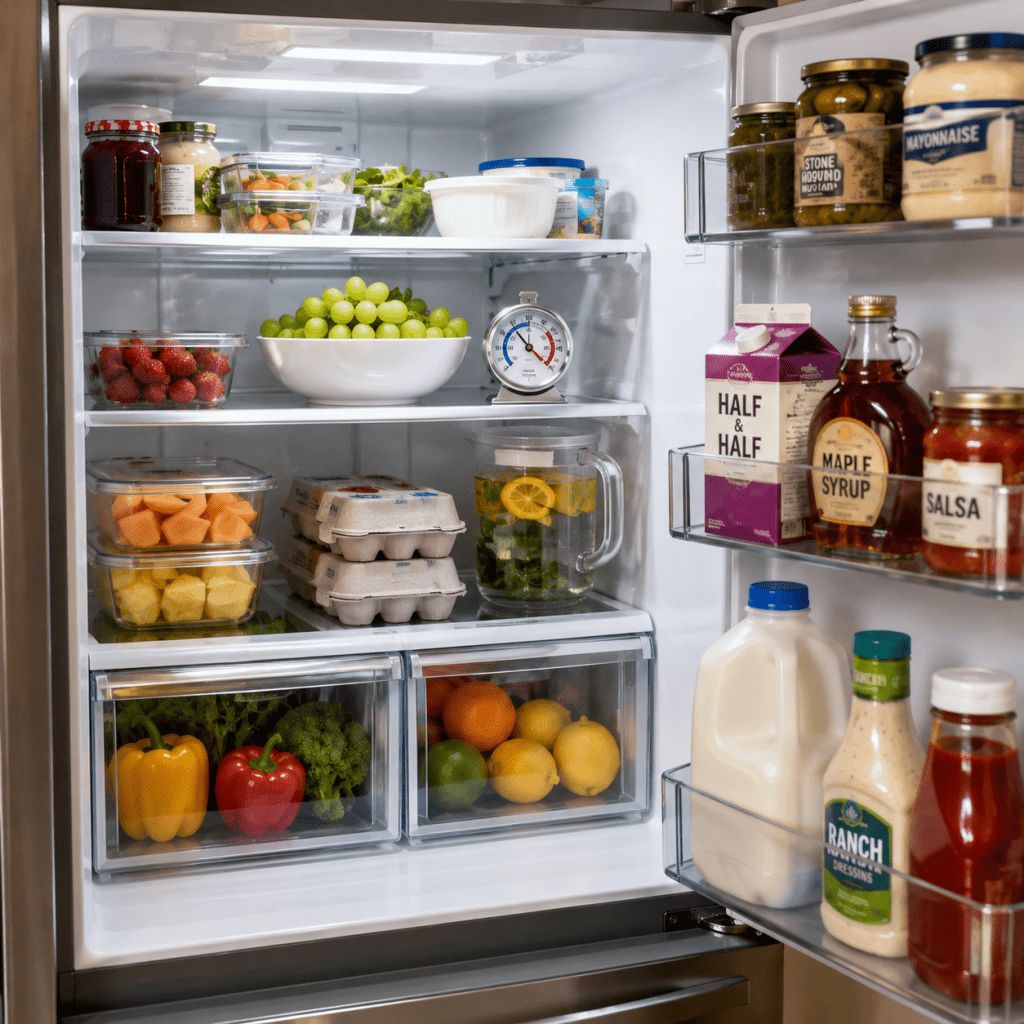
A kitchen refrigerator is protected from outdoor freezing, but it faces several winter-specific stresses. Cooking heat is one of the biggest. Ovens, stovetops, slow cookers, and holiday gatherings can raise the kitchen temperature for hours. If the refrigerator sits beside the range or receives heat from a nearby vent, it has to work harder to release the heat removed from food.
Keep the area around the refrigerator clear. Do not pack boxes, decorative items, or storage baskets against ventilation grilles. If the appliance is built into cabinetry, confirm that the required clearances remain open. Dust can collect at the front grille and beneath the cabinet, so seasonal cleaning is worthwhile before heavy holiday use.
Avoid placing steaming pots directly into the refrigerator. Food should be divided into shallow containers so it cools safely and efficiently. A large hot container adds a substantial heat load and may warm nearby food. At the same time, do not leave perishable food sitting out for an extended period. The goal is controlled, efficient cooling rather than waiting until food reaches room temperature.
Organize shelves so interior vents remain open. Winter groceries tend to be bulky: soup pots, casserole dishes, party trays, gallon containers, and leftovers wrapped in foil. These items can block cold-air circulation and create warm zones. A full refrigerator holds temperature well, but an overpacked refrigerator cannot move air correctly.
Check the ice maker and water line before temperatures drop outside. A supply tube routed through an exterior wall or cold cabinet space can freeze. Look for slow ice production, unusually small cubes, or water around the valve connection. These signs may indicate a restricted or vulnerable line.
During an outage, keep the doors closed and monitor temperatures afterward. Do not assume food is safe simply because the refrigerator starts running again. If you are uncertain about how warm food became or how long it stayed warm, use official food-safety guidance rather than relying on smell.
A winter-ready kitchen refrigerator is clean, correctly loaded, well ventilated, and supplied by a sound electrical and water connection. Those simple conditions prevent many of the cooling problems homeowners mistakenly blame on the weather.
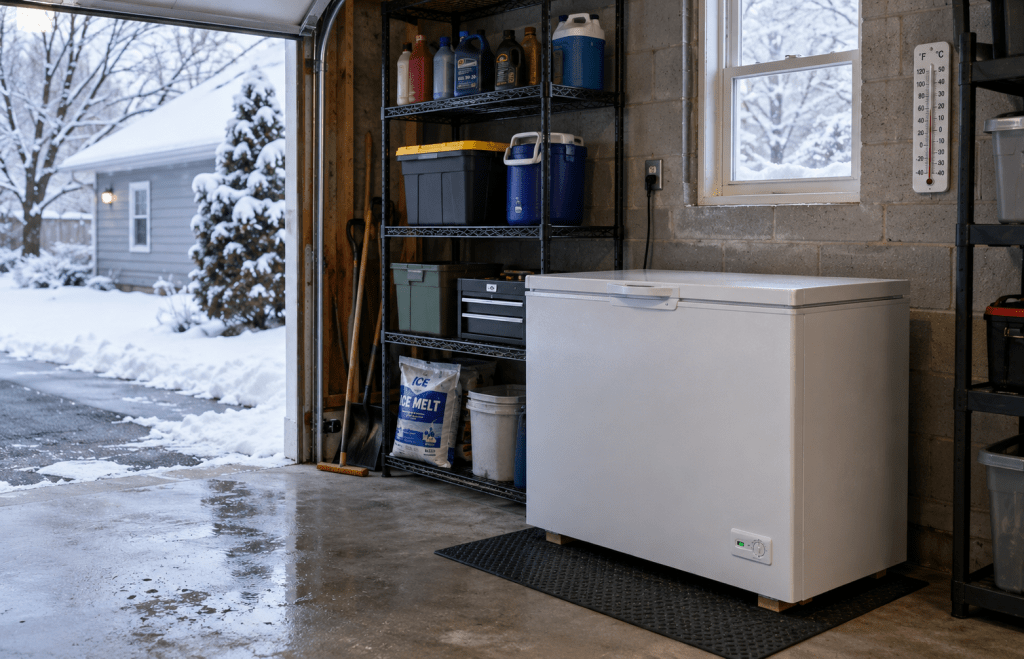
Garage and basement refrigeration can be tricky because homeowners often assume cold rooms help the appliance. In reality, the machine’s controls and refrigerant system may not be designed for extreme ambient temperatures. A refrigerator-freezer combination is especially vulnerable because one thermostat may control cooling for both compartments.
When the garage becomes very cold, the refrigerator section may satisfy the thermostat without the compressor running often enough to keep the freezer at its target temperature. Frozen food can soften even while the garage feels like a walk-in cooler. Some appliances include a garage mode, heater kit, or wider operating range, but these features are model-specific.
Read the owner’s manual before winter. Look for the approved ambient-temperature range and any garage-ready designation. Do not rely on a salesperson’s general statement or assume that every chest freezer can handle an unheated space. If the manufacturer does not approve freezing conditions, consider moving the appliance or maintaining the room above the minimum temperature.
Basements create different concerns. A heated basement may remain within the appliance’s range, but dampness, floor seepage, and cold walls can promote corrosion. Keep freezers away from areas that collect water. Use a solid, level surface and avoid placing the appliance directly against a damp foundation wall.
Inspect the power supply. Basements and garages may use GFCI-protected outlets, which can trip and leave a freezer silent for hours. GFCI protection may be required depending on location and code, so do not defeat it. Instead, consider an approved temperature alarm or power-loss alert that notifies you when the freezer warms.
Leave enough room around the cabinet for ventilation. Do not pile winter gear, cardboard boxes, salt bags, or paint supplies against the condenser area. Avoid operating fuel-burning equipment nearby because fumes and heat can create additional hazards.
A secondary freezer is often out of sight, which makes regular checks essential. Look at the temperature weekly, listen for normal operation, and inspect the floor for water. Winter conditions can change quickly, and the appliance that seemed fine during mild weather may need a different location after the first serious freeze.
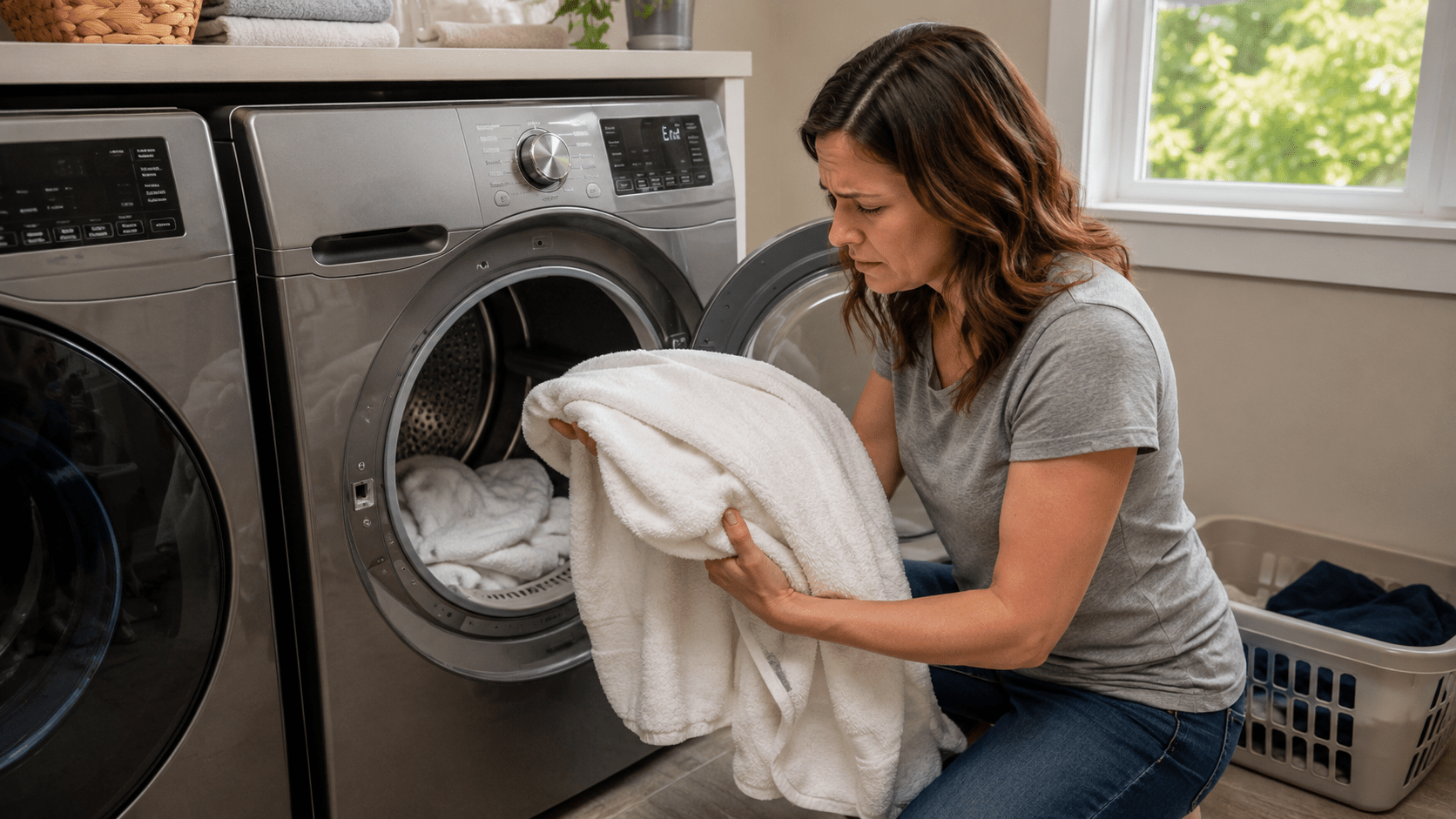
Laundry equipment works harder in winter. Heavy sweatshirts, blankets, coats, wet gloves, towels, and muddy clothing add weight and moisture to every load. The washer must move and drain that heavier material, while the dryer must remove more water from thicker fabrics. If the laundry area is cold, damp, or poorly ventilated, the machines face even more stress.
Begin with the room. A washing machine should not operate in a space that can freeze. Water remains inside valves, pumps, hoses, dispensers, and the outer tub after each cycle. Even when the drum appears empty, enough water can remain to crack components during a deep freeze.
Check hot- and cold-water hoses for bulges, cracks, rusted fittings, and stiffness. Rubber hoses become more vulnerable as they age, while braided lines can still fail at the connectors. Make sure shutoff valves operate and remain accessible. A valve that has not moved in years may leak or break when forced, so address questionable plumbing before an emergency.
The drain path deserves equal attention. A hose routed near an exterior wall, crawlspace, or unheated area can freeze. A partially frozen drain may cause the washer to stop, display an error, or overflow when water cannot leave quickly.
For the dryer, winter preparation centers on airflow. Thick clothing creates more lint and takes longer to dry. The exterior vent can become blocked by snow or ice, and a long basement run may collect damp lint. Clean the lint screen every load, inspect the transition duct, and check the exterior hood after storms.
Do not overload either machine. Heavy wet blankets can exceed the washer’s balancing ability, while a packed dryer drum prevents tumbling. Divide bulky laundry into sensible loads. Better spin performance in the washer reduces the dryer’s workload and energy use.
Winter laundry can be routine rather than risky when the room stays warm, water lines remain protected, drainage is open, and exhaust air has a clear path outdoors.
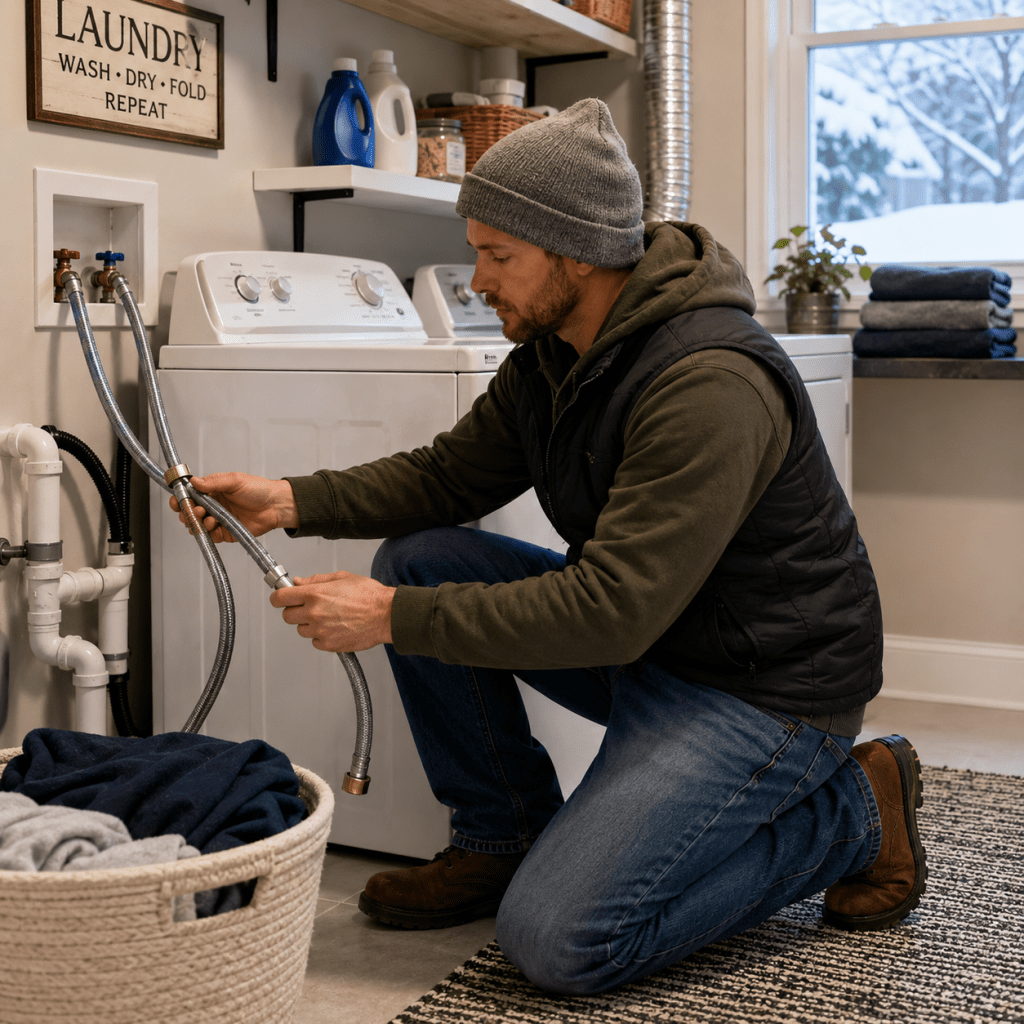
Frozen washer plumbing is one of the most damaging winter appliance problems because the failure may remain hidden until temperatures rise. Water freezes, expands, cracks a valve or hose, then begins leaking when it thaws. The homeowner may discover the damage hours later after water has spread across a basement floor.
Start by identifying every cold exposure point. Supply lines running along exterior walls, beneath windows, through crawlspaces, or near uninsulated rim joists deserve attention. Drain hoses routed through unheated spaces are equally vulnerable. Feel for drafts around the washer and inspect nearby plumbing for previous freeze damage or corrosion.
Keep the laundry area above freezing at all times. Opening a basement door occasionally or depending on heat from the rest of the house may not be enough during extreme weather. Use safe, permanent heating and insulation solutions rather than placing an unattended space heater beside water lines and laundry equipment.
Insulate exposed household pipes with appropriate materials, but do not wrap appliance hoses in a way that hides leaks or traps moisture. Flexible washer hoses need to remain visible and accessible. If the plumbing layout is questionable, a licensed plumber can recommend a safer route.
When a washer is located in a seasonal property or an unheated building that will be vacant, simply turning off the water is not always enough. Water remains inside the machine. Follow the manufacturer’s winterization procedure, which may include disconnecting hoses, draining the pump, and using an approved method to protect internal components. Do not pour automotive antifreeze into a washing machine.
If you suspect a frozen line, do not start the washer repeatedly. Check whether water reaches other fixtures and whether the supply hoses feel unusually cold or rigid. Avoid using an open flame, heat gun, or boiling water to thaw pipes. Rapid heating can damage materials and create a fire risk.
After thawing, inspect the entire system before normal use. Watch the valve connections, hoses, drain path, and floor during the first fill and drain. A small crack can produce a large leak under household pressure.
The best protection is steady room temperature, sound plumbing, and early attention to drafts. Frozen washer components are preventable far more often than they are repairable.
A dryer relies on a clear exhaust path every time it runs. During winter, that path can be blocked from both directions. Lint accumulates inside, while snow, ice, leaves, and frozen condensation interfere outside. The dryer may still tumble and produce heat, but moisture remains trapped in the clothing.
Check the exterior hood before winter begins. The flap should move freely and open fully when the dryer operates. Remove old lint, insect nests, leaves, and paint buildup. Fine screens should not cover dryer exhaust outlets because they can clog rapidly with lint. The termination should be designed for dryer use and remain accessible after snowfall.
After major storms, walk outside and confirm that the vent has not been buried by drifting or plowed snow. Keep the area clear without damaging the hood. Warm, moist exhaust can create ice around the flap, especially during very cold weather. If the flap freezes shut, stop using the dryer until it moves freely.
Inside, inspect the transition duct behind the appliance. It should not be crushed, torn, disconnected, or folded into sharp bends. Smooth metal ducting generally supports better airflow than long corrugated runs. Avoid pushing the dryer tightly against the wall after cleaning.
Pay attention to warning signs. Clothes that become hot but remain damp usually suggest airflow trouble. A laundry room that feels unusually warm or humid may indicate a disconnected or leaking vent. A burning smell, overheated cabinet, or repeated thermal-fuse failure deserves immediate professional attention.
Heavy winter fabrics create more lint and need more drying time, but two or three cycles should not become normal. Clean the lint screen after every load and wash off invisible fabric-softener residue when the manufacturer allows it. Inspect the full vent system periodically, especially when it travels through a long basement route or concealed wall space.
A clear vent protects more than drying performance. It reduces overheating, energy waste, internal lint buildup, and fire risk. Winter snow may be outside, but the consequences of a blocked dryer vent develop inside the house.
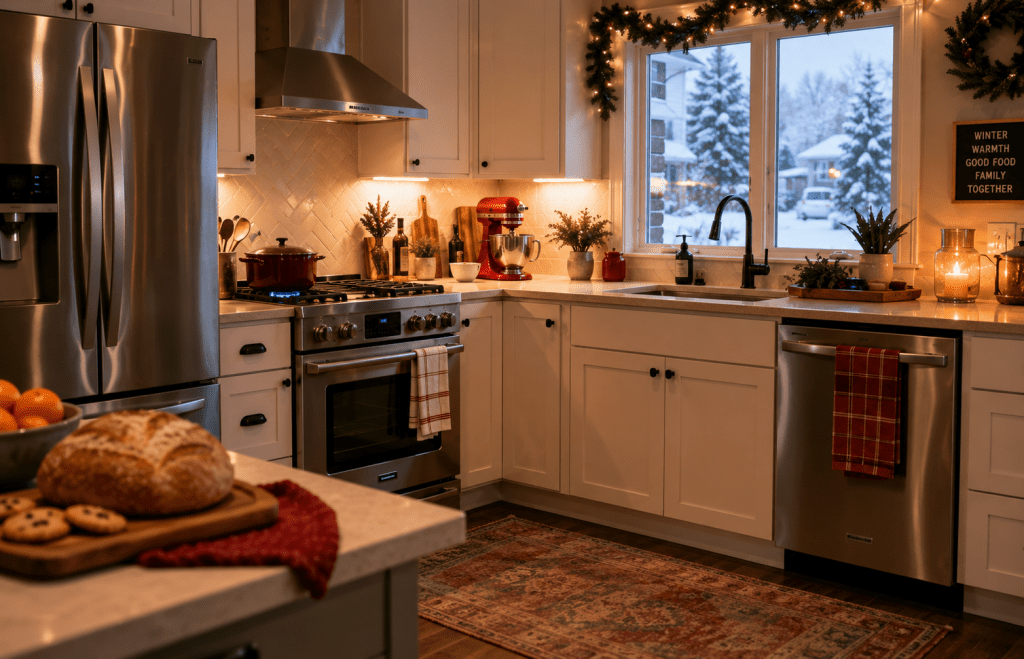
Kitchen appliances receive heavy use during a Cleveland winter. Families cook more meals at home, bake during the holidays, run dishwashers repeatedly, and depend on hot food during stormy weather. That increased workload makes fall an ideal time to inspect performance and correct small problems.
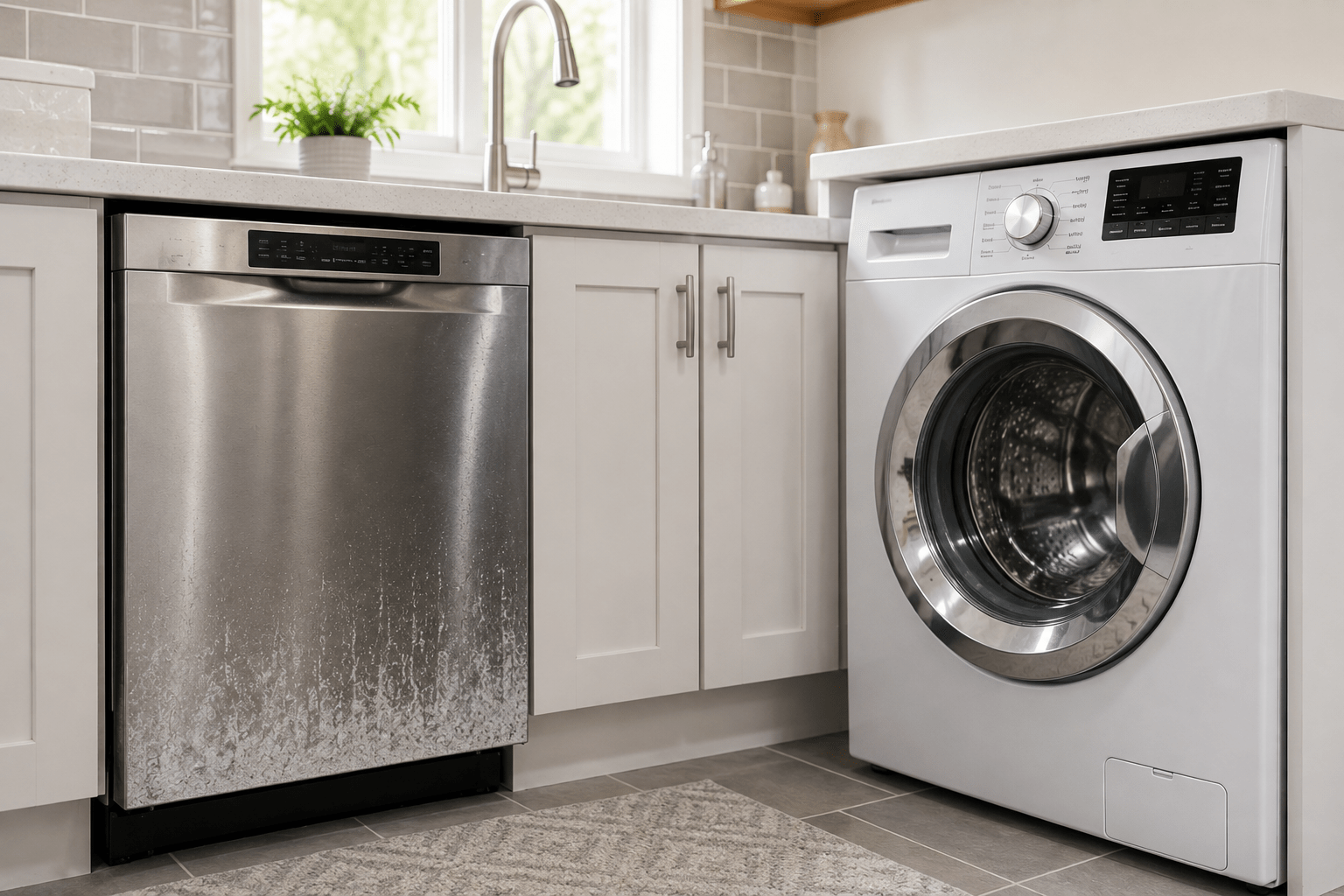
For the dishwasher, check the water-supply connection, drain hose, filter, spray arms, and door seal. A machine attached to plumbing near an exterior wall may be vulnerable to freezing, especially in a poorly insulated sink cabinet. Cold drafts can reach the shutoff valve and supply line through gaps around pipes.
Clean the dishwasher filter according to the owner’s manual. Winter meals often involve heavier grease, baked-on food, and large serving dishes. A dirty filter reduces circulation and drainage, forcing the pump to work harder. Make sure spray arms rotate freely and that large cookware does not block them.
Ranges and ovens need a different kind of preparation. Electric units depend on sound high-voltage connections, while gas models require safe ignition and proper combustion. Before holiday cooking begins, watch how quickly burners ignite, whether oven temperatures remain stable, and whether any unusual odor appears.
Clean grease from accessible surfaces and ventilation openings. Do not line the oven floor or cover vents with foil unless the manufacturer specifically allows it. Blocked airflow can damage finishes, interfere with temperature control, and overheat components.
Check the range hood too. Its exterior termination may collect ice or snow, while the filter inside can become loaded with grease. A hood that makes noise but moves little air allows cooking moisture to spread through the kitchen, where it condenses on windows, cabinets, and cold walls.
Winter kitchen preparation is about dependable performance under heavy use. You want to find the weak igniter, slow drain, damaged gasket, or blocked hood before a crowded holiday meal—not while every burner and rack is already full.
A dishwasher may sit in a warm kitchen, but its plumbing can pass through cold spaces. The water line often travels from the sink cabinet, where gaps around drainpipes and exterior-wall penetrations allow freezing air to enter. During a severe cold snap, the cabinet interior can become much colder than the room.
Open the sink cabinet and inspect the dishwasher shutoff, supply tube, and drain hose. Look for corrosion, white mineral deposits, moisture, cracked tubing, and loose connections. Keep household items from pressing against the valve or kinking the hose.
Seal obvious drafts around plumbing penetrations with appropriate building materials, but do not cover valves or connections that need inspection. In extreme cold, leaving the sink-cabinet doors open can allow warm room air to circulate around plumbing, provided children and pets cannot access hazardous cleaners stored inside.
The drain hose needs a proper route. It should not dip into a cold crawlspace or run against an uninsulated exterior surface. A partially frozen drain line can prevent the dishwasher from emptying, causing standing water, error codes, or leaks.
Run the dishwasher regularly during winter if the home is occupied. Water moving through the system can help prevent stagnation, although it cannot protect plumbing in a space that remains below freezing. In a vacant seasonal home, follow manufacturer and plumbing guidance for winterization rather than assuming one empty cycle removes all water.
Do not start the dishwasher if you suspect frozen plumbing. The inlet valve may open against a blocked line, while the drain pump may push water into a frozen hose. Thaw the area safely and inspect for damage first.
Watch the floor during the first cycle after an extreme freeze. Leaks can begin behind cabinets and remain invisible from the front. Listen for unusual fill sounds, weak spray, and repeated drain attempts.
Dishwasher protection is mostly plumbing protection. The machine can be in excellent condition and still suffer damage when its water supply or drain route freezes. Keeping those connections warm, visible, and properly maintained prevents a winter inconvenience from becoming a kitchen-floor repair.
Ranges and ovens often go from moderate use to marathon duty during winter. Soups simmer, bread bakes, holiday meals fill every rack, and stovetop burners may operate for hours. A small problem that barely matters during a quick weekday dinner can become obvious under that heavier load.
Test every burner before the busy season. Electric elements should heat evenly without arcing, sparking, or loose movement. Gas burners should ignite promptly and produce a stable flame. Delayed ignition, repeated clicking, unusual flame color, soot, or gas odor requires professional attention.
Check the oven’s heating performance. If food consistently takes much longer than expected, the temperature swings widely, or one area cooks much faster than another, the bake element, igniter, sensor, control, or door seal may need inspection. An inexpensive oven thermometer can reveal large temperature differences, although normal cycling causes some variation.
Inspect the door gasket for tears, hardened sections, and gaps. A poor seal releases heat into the kitchen, lengthens cooking time, and stresses nearby controls. Do not use the oven if the door will not close securely.
Keep vents open. Many ovens release heat through a channel near the cooktop, control panel, or door. Covering that opening with foil, pans, towels, or decorative covers can trap heat. Grease buildup around the vent can also create odors and smoke.
For gas appliances, make sure carbon-monoxide alarms are installed and working according to local requirements and manufacturer guidance. A kitchen range should never be used as a home-heating appliance. Operating burners or the oven for space heat can create dangerous combustion and carbon-monoxide conditions.
Clean the range hood filter and confirm outdoor airflow. Winter cooking creates substantial moisture. Without proper ventilation, that moisture condenses on windows, exterior walls, and cabinets, contributing to mold and finish damage.
A quick inspection before winter gives you time to schedule repair calmly. Waiting until the oven fails on a holiday morning turns an ordinary service issue into a household emergency.
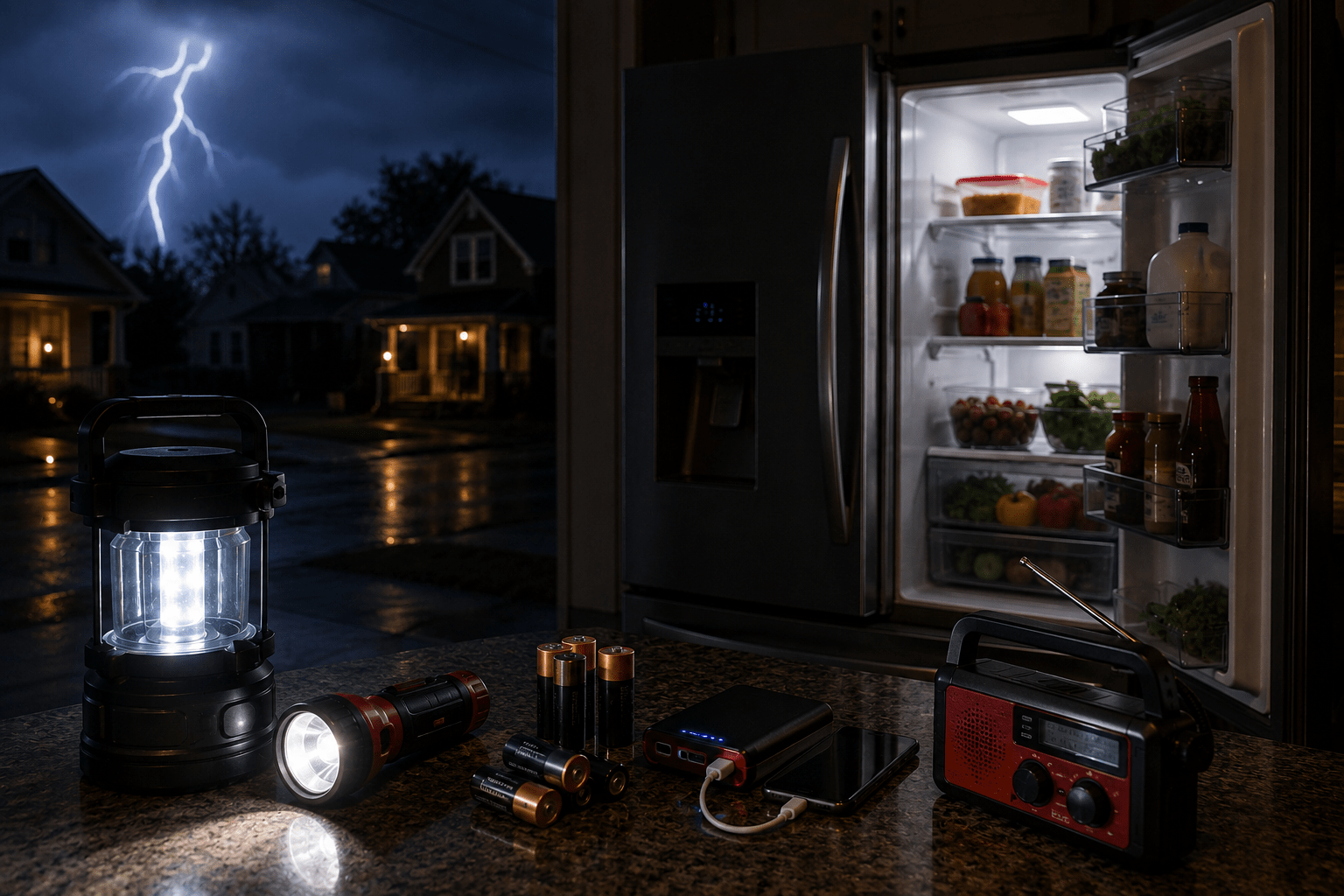
Winter storms can interrupt electrical service, and the interruption itself is only part of the risk. Power may flicker repeatedly before going out, then return unevenly as the utility restores service. Modern appliances contain electronic boards that can be sensitive to those changes.
Before winter, identify the breakers serving major appliances. Labels should be clear enough that you can switch off a refrigerator, range, washer, dryer, or dishwasher without experimenting in the dark. Keep a flashlight near the panel, but do not approach it if the area is wet, buzzing, hot, or damaged.
When power fails, leave refrigerator and freezer doors closed. Turn off cooking appliances and unplug accessible sensitive electronics. A range that was heating before the outage should be confirmed off so it does not restart unexpectedly.
After power returns, do not bring every appliance online at once. Give the supply a few minutes to stabilize, especially if lights continue flickering. Restore essential appliances gradually and listen for abnormal clicking, buzzing, or repeated resets.
Some refrigerators intentionally delay compressor startup. Washers and dishwashers may cancel interrupted cycles or remain locked until they drain. Ovens may require the clock to be reset before heating. These behaviors are not always failures.
Consider appropriate surge protection. Ordinary power strips are not automatically suitable for major appliances. A licensed electrician can discuss whole-home surge protection, dedicated circuits, grounding, and the condition of an older electrical panel.
Create a food-safety plan before the outage. Keep thermometers in the refrigerator and freezer, store reusable ice packs, and know where a clean cooler is located. Do not depend on smell to decide whether warmed food remains safe.
Power preparation reduces panic. When you know which breaker serves each machine, which appliances restart automatically, and how to protect refrigerated food, a winter outage becomes manageable rather than chaotic.
A portable generator can keep essential appliances operating, but it can also create deadly hazards when used incorrectly. Fuel-burning generators produce carbon monoxide, which cannot be seen or smelled. They must operate outdoors, far from doors, windows, vents, garages, basements, and enclosed porches.
Never run a generator inside a garage, even with the door open. Wind can push exhaust into the house, and carbon monoxide can accumulate quickly. Use battery-powered carbon-monoxide alarms and follow the generator manufacturer’s placement requirements.
Do not connect a generator to household wiring by plugging it into a wall outlet. This practice, often called backfeeding, can energize utility lines and endanger workers, neighbors, and the home. A professionally installed transfer switch or approved interlock system is the safe method for supplying household circuits.
When powering an appliance directly, confirm that the generator can handle both its running wattage and startup demand. Refrigerator compressors, freezer compressors, sump pumps, and motors may draw much more power for a brief moment when starting. An undersized generator can stall, produce unstable voltage, or damage connected equipment.
Use outdoor-rated extension cords of the proper gauge and length when direct connection is allowed. Keep connections dry and protected from snow. Do not route cords through standing water, under doors where they can be crushed, or across walkways without protection.
Surge protection works differently. A whole-home protective device can help manage certain voltage spikes, while point-of-use devices protect individual electronics. Major appliances need protection rated for their electrical load and equipment type. A cheap power strip is not a refrigerator protector simply because it has several outlets.
After an outage, inspect appliances before returning them to normal use. A blank control panel, repeated error codes, hot outlet, burning smell, or breaker that trips again may indicate damage. Stop testing and call the appropriate professional.
Backup power is valuable only when it is used safely. The goal is to preserve food and essential systems without creating a carbon-monoxide, electrical, or fire emergency.
Outdoor appliances and power equipment are among the most vulnerable items in a Cleveland winter because they may contain water, fuel, batteries, grease, and sensitive components while sitting in unheated storage. Pressure washers, grills, outdoor refrigerators, beverage coolers, lawn equipment, and portable generators all need model-specific preparation.
Water is the biggest threat to pressure washers and outdoor plumbing appliances. Disconnecting the garden hose does not remove every drop from pumps, valves, and internal tubing. One freeze can crack a pump housing or split a fitting. Follow the manufacturer’s procedure for draining and protecting the unit, which may involve an approved pump-protection product.
Outdoor refrigerators and beverage coolers should not remain operating unless they are specifically designed for winter conditions. Cold-weather operation can confuse controls and damage components. Unplug the appliance, empty it, clean and dry the interior, and leave the door safely propped open to prevent mold and odors. Shut off and drain any connected water line.
Gas grills need cleaning and inspection. Remove grease that can attract animals or create corrosion. Check hoses, regulators, and connections for damage. Close the fuel supply, store cylinders according to safety requirements, and use a fitted cover that allows some ventilation rather than trapping moisture.
Battery-powered equipment should be stored according to the battery manufacturer’s temperature guidance. Extreme cold can reduce capacity, while improper charging or storage can shorten battery life. Do not place rechargeable batteries beside furnaces, water heaters, or other heat sources.
Generators should be serviced before winter, not after the power fails. Check oil, fuel condition, battery charge, cords, and starting performance. Store fuel safely and legally in approved containers.
Seasonal equipment tends to be forgotten once snow arrives. A careful fall routine prevents cracked pumps, corroded burners, dead batteries, and spoiled fuel from greeting you in spring.
A pressure washer can hold water in places you cannot see. After disconnecting the hose, trigger the spray wand to release pressure and follow the manual’s draining procedure. Some manufacturers recommend a pump-protection product that displaces water and lubricates seals. Use only products approved for the machine.
Do not store a pressure washer with a connected hose full of water. Drain hoses, spray guns, detergent tanks, and attachments. Coil them loosely so they do not crack or kink. Store the unit in a dry space above freezing whenever possible.
For gas grills, clean cooking grates and grease trays before covering the appliance. Food residue attracts pests and holds moisture against metal. Inspect burner ports for blockage and make sure the cover is secure without sealing the grill inside a damp plastic envelope.
Propane cylinders should remain upright and be stored according to local fire-safety requirements. They should not be kept inside living spaces, basements, or attached garages. Never disconnect or move a cylinder near open flames.
Outdoor refrigerators need complete drying. Remove shelves and bins, wash them, and allow every surface to dry before storage. Leave the door slightly open with a secure spacer so children or animals cannot become trapped. Disconnect and drain water lines serving ice makers or dispensers.
Small engines need attention to fuel. Old fuel can degrade, absorb moisture, and clog carburetors. Follow the manufacturer’s storage recommendation, whether that means draining the system or using an approved stabilizer and running the engine long enough to circulate treated fuel.
Rechargeable batteries should be removed when recommended and stored within their approved temperature range. Check them periodically rather than leaving them forgotten until spring.
The guiding principle is simple: remove water, manage fuel, control moisture, and protect batteries. Equipment rarely fails because winter personally dislikes it. It fails because something inside was allowed to freeze, corrode, separate, or discharge for months.
A careful storage routine takes less time than repairing a cracked pump or replacing an entire outdoor refrigerator once warm weather returns.
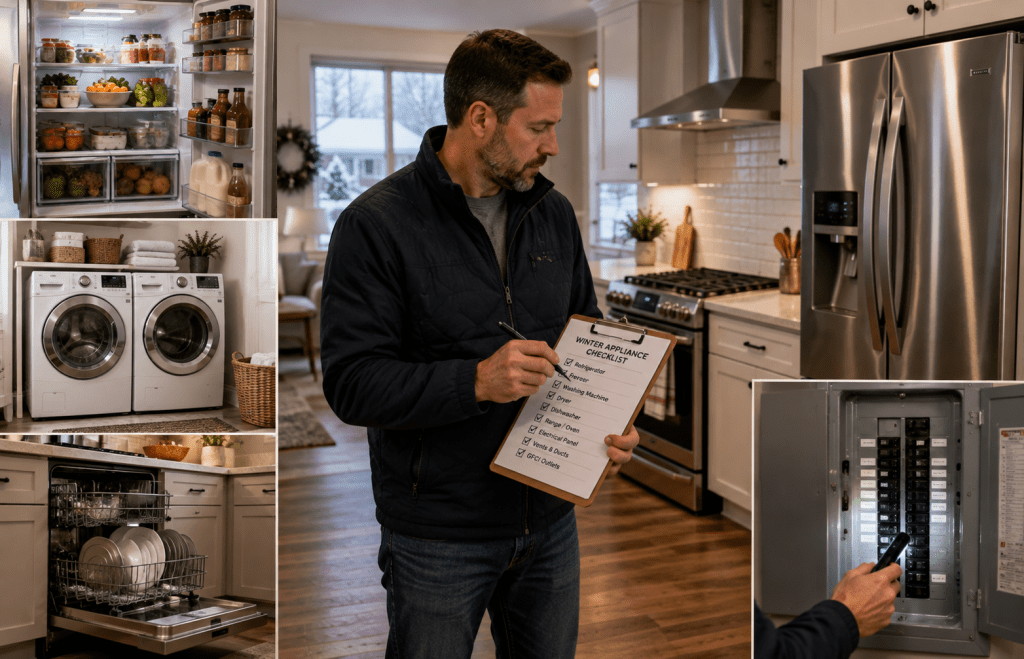
A winter checklist works best when it is organized by risk rather than by room. Start with anything involving water. Inspect washer hoses, dishwasher connections, refrigerator supply tubes, basement plumbing, and outdoor equipment. Identify sections near exterior walls, windows, crawlspaces, and unheated areas. Correct drafts and damaged insulation before freezing weather arrives.
Next, check airflow. Clean the dryer lint screen and inspect the full vent path. Confirm that the exterior hood opens freely and will remain accessible after snowfall. Clean the range-hood filter and verify outdoor exhaust. Leave proper ventilation space around refrigerators, freezers, and laundry equipment.
Then review electrical protection. Label appliance breakers, inspect visible cords and plugs, and address warm outlets, loose receptacles, or repeated trips. Ask an electrician about surge protection when the home has sensitive modern appliances or an aging electrical system.
Prepare cold-storage appliances by measuring temperatures, cleaning condenser areas, checking door seals, and organizing shelves. Confirm that garage and basement units are approved for the expected ambient temperature. Add a temperature or power-loss alarm when a freezer is out of sight.
Inspect laundry equipment for slow filling, poor draining, unusual vibration, and weak dryer airflow. Heavy winter loads expose these problems quickly. Correct them before blankets and coats become part of the weekly routine.
Test cooking appliances. Run every burner, observe gas ignition, check oven heating, inspect door gaskets, and remove grease from vents. Never use the range or oven as a home heater.
Prepare outage supplies. Keep flashlights, appliance thermometers, coolers, ice packs, generator cords, and manufacturer manuals accessible. Test carbon-monoxide alarms and smoke alarms. Service the generator and store fuel safely.
Finally, walk around the exterior after each major storm. Clear dryer and range-hood outlets, inspect generator placement, and look for snow or ice around appliance-related vents.
The checklist is not meant to create anxiety. It gives you a repeatable way to notice changing conditions. Ten minutes of inspection after a storm can prevent hours of cleanup, repair, and spoiled food.
Preparing home appliances for a Cleveland winter means looking beyond the machines themselves. Cold rooms, frozen plumbing, blocked vents, power fluctuations, snow buildup, and heavy seasonal use all influence how reliably appliances operate. A washer can fail because its hose froze. A dryer can overheat because the exterior hood is buried. A garage refrigerator can stop cooling correctly because the room became too cold.
The most effective preparation begins with location. Identify appliances in basements, garages, exterior-wall cabinets, mudrooms, and outdoor spaces. These machines face the greatest temperature and moisture changes. Confirm that the room remains within the manufacturer’s approved operating range.
Protect every water path. Inspect supply hoses, drain lines, shutoff valves, filters, pumps, and exposed plumbing. Water left inside a machine can freeze even when the drum or tub appears empty. Outdoor equipment needs complete drainage and manufacturer-approved storage preparation.
Keep airflow open. Refrigerators need space to release heat, while dryers and range hoods need clear outdoor exhaust. Snow, ice, lint, and grease can quietly turn a working vent into a restriction.
Prepare for outages before the weather forecast becomes urgent. Label breakers, keep refrigerator thermometers and coolers available, and restore appliances gradually after power returns. Use generators only outdoors with safe connections and adequate capacity.
Winter is also the time to notice performance changes. Slow washer filling, long dryer cycles, delayed gas ignition, unstable refrigerator temperatures, and recurring dishwasher drainage errors should be addressed before severe weather adds more stress.
Cleveland winters are unpredictable, but appliance preparation does not have to be. Clean, inspect, protect, and monitor. Those four habits cover most of the risk. The reward is not just fewer repair calls. It is a safer home, lower chance of water damage, more reliable food storage, and one less thing to worry about when the snow starts piling up outside.
We repair a wide range of household appliances including refrigerators, washers, dryers, ovens, dishwashers, and more. No matter the brand or model, our experienced technicians are ready to help. We repair commercial appliances as well: commercial washers dryers, commercial refrigerators & freezer & more.
We service a wide range of household appliances, including refrigerators, dryers, washers, ranges, cooktops, dishwashers, freezers, ice makers, ovens, and double ovens. Our technicians operate across many locations in Ohio, covering major cities like Cleveland, Akron, and Parma. We also serve surrounding areas including Lakewood, Westlake, Strongsville, and Brooklyn. Our service area extends to Rocky River, Euclid, Solon, Beachwood, and Cleveland Heights, as well as counties such as Cuyahoga, Lorain, Lake, and Medina. Additional cities we cover include North-Olmsted, North Ridgeville, Valley-City, Lorain, Avon Lake, Richfield, Brecksville, Garfield Heights, Seven Hills, Brunswick, Oakwood, Mentor, and Willoughby.